
Leaky Pipe Repair in Parker, CO: Costs, Detection, and Lasting Fixes
A leaky pipe is a cracked joint, corroded fitting, or worn seal that lets water escape, and repairs run from about $150 for an exposed drip under a sink to $5,000 or more for a hidden line inside a wall. Along the Colorado Front Range, freeze-thaw winters and hard water speed up corrosion, so catching a leak early and fixing it properly matters more here than in milder climates.
The right fix depends on the pipe material, where the leak sits, and how far the damage has spread. This guide breaks down what drives repair costs, how to find hidden leaks before they rot framing or feed mold, and when a clamp or epoxy patch will hold versus when a licensed plumber should replace the section outright.
Key Takeaways
-
Leaky pipe repair costs vary based on pipe material, leak location, severity, repair method, and local labor rates. Knowing these factors can help you more accurately calculate costs.
-
Early and efficiently leak detection with visual inspections, pressure tests, or advanced diagnostics can prevent expensive water damage and potential health hazards in your property.
-
For permanent repair, the right way should be chosen according to pipe type, leak severity, and durability to last.
-
If left unaddressed, these hidden leaks can lead to mold growth, structural damage, and health concerns. Frequent checks and immediate response are essential to reduce potential long term hazards.
-
Whether you fix a leaky pipe yourself or hire a pro depends on the leak’s severity, your tools, and whether local code requires a permit.
-
You can future-proof your plumbing system with upgrades, smart leak monitors, and scheduled maintenance – reducing the likelihood of future leaks and avoiding surprise repair expenses.
Leaky pipe repair refers to fixing pipes that drip water, waste, or gas due to cracks, loose joints, or broken seals. These little leaks cause water stains, mold and/or increased bills. Big leaks can flood rooms or ruin walls & floors. I’ve found that most leaks are from old pipes, worn gaskets, rust or bad fittings. Typical repairs involve resorting to pipe clamps, replacing gaskets or exchanging cracked pipe segments. A lot of people discover leaks beneath sinks, in a basement, or behind a washer. To prevent more damage, fast fixes count and sometimes a pro plumber is your safest bet. The bulk of this post addresses leak-finding techniques, potential tools, and pipe problems you can fix step-by-step.
Repair Cost Factors
Leaky pipe repair prices fluctuate greatly, molded by a few key variables. Knowing these components goes a long way toward setting expectations and avoiding surprises. Below are the main drivers of repair costs:
-
Leak location: Where the leak sits – easy to reach or hidden – affects time and labor.
-
Pipe material: The type of pipe impacts both material and labor costs.
-
Damage severity: How bad the leak is guides both method and price.
-
Repair method: Techniques range from quick fixes to full replacements, each with its own cost.
-
Labor rates: Plumber fees differ by region, experience, and situation.
1. Leak Location
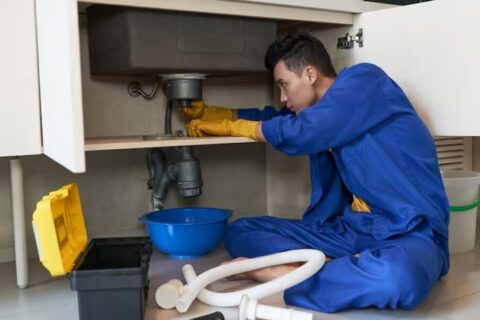
A leak in an exposed pipe – think beneath a sink – is generally easier to repair and less expensive, typically ranging from $150 to $500. These repairs are fast because you don’t have to open walls. If the leak is concealed in a wall, floor or ceiling, labor spikes. These repairs can cost $5,000+, particularly if water has seeped into the structure or other pipes.
Leaks around key plumbing systems like main water or sewer lines might require immediate action. Main line repairs from $150 to $5,000 – if the leak causes water damage to drywall, add $50 to $75 per square foot to repair. Threats of collateral damage such as structural rot or mold can increase costs further.
2. Pipe Material
Copper pipes are more expensive to fix because of both the material value and the soldering skills required to repair damage. PVC pipes, however, are simpler to cut and replace, which keeps costs down. Cast iron pipes, like those found in older buildings, might necessitate specialized tools – thereby increasing labor charges. The age and durability of the pipe also matter – older materials tend to require repairs or replacement more often.
3. Damage Severity
A minor drip might only require a clamp or tape, but moderate leaks can hide more serious issues like underlying water damage and mold which add additional expense. Mold remediation runs an average of $2,300 and things like rotting joists can cost up to $5,000. Severe leaks or extensive damage need a more durable solution, such as replacing lengthy pipe sections, where costs range from $50 to $250 per foot of line.
4. Repair Method
For small leaks, temporary fixes like repair tape or clamps work and cost less, but more serious damage may require pipe replacement or epoxy. Pipe replacement is a much bigger job and more expensive, but provides a long-term fix. Your method selection should represent the immediacy and funds at your disposal.
5. Labor Rates
Labor rates vary by market – across the Denver metro and Colorado Front Range, plumbers commonly run $150 to $750 depending on the complexity of the job, with simple exposed repairs at the lower end. Emergency calls or after-hours work can tack on $120–$300 per hour. More experienced plumbers might be pricier, and travel fees can add up if you’re not close.
DIY or Professional
Deciding how to repair a leaky pipe is based on your level of expertise, the available tools, and the extent of the leak. Sure, a DIY repair might come at the lowest initial price, but error-prone projects can trigger additional damage, multiplied issues, and inflated expenses later on. Plumbing is a craft – licensing and permits are around for a purpose. You get the idea – weigh the costs and risks and your own comfort level before beginning any repair.
DIY Risks
Attempting to seal a leak without the proper expertise can aggravate the problem quickly. A minor drip could become a flood if you don’t seal it properly, and a burst pipe can spill up to 50 gallons every minute. Tiny mistakes can wreck havoc that ends up costing a whole lot more than the original fix.
No home has tools for pipe repairs. Without things like pipe cutters or system-specific sealants, even a simple repair won’t hold. If your fix doesn’t hold, you’re going to end up calling a plumber to re-do it, and that only increases the cost.
A lot of places need plumbing to local codes. If your DIY job doesn’t adhere to these regulations, you could be penalized or have difficulty selling your home down the road. Replacing pipes, for instance, generally requires a permit.
It’s not without risks to work on plumbing. Pressurized water, blades and confined places are hazardous to your body.
Professional Benefits
Licensed plumbers identify and diagnose leaks quick, even those concealed in walls or floors. They employ forensic tools to locate the origin, allowing them to contain further damage. With their expertise, they solve the issue correctly the initial time.
When you hire a pro, it’s usually guaranteed. If the repair doesn’t hold down the line, they return to repair it at no additional cost. You have the comfort of knowing it’s done properly and up to code, something that can come in handy should you ever decide to sell your home.
Licensed plumbers are aware of permits and do everything by code. They employ specialized tools, such as video pipe inspection cameras to identify pipe leaks and perform rapid repairs.
Cost and Time
DIY fixes might appear to be economically inexpensive, but if they don’t work, you end up paying a lot more. Water damage repairs can exceed $10,000. A pro can be more expensive up front, but their expertise can save time and money in the long run.
Leak Detection
Pipe leaks, if not addressed, can cause water damage, mold, and costly repairs. Early detection issues both as it helps minimize disruption and expense. Here are practical steps for effective leak detection in any setting:
-
Look for obvious signs, like water stains or warped surfaces.
-
Monitor water bills for any sudden or unexplained increases
-
Use pressure tests with gauge to spot hidden leaks
-
Try this little trick: use food coloring in toilet tanks to detect silent leaks.
-
Use specialized equipment such as moisture meters, acoustic sensors, and thermal cameras.
-
Inspect the plumbing system regularly, especially in older properties
Visual Signs
Little hints generally arrive early. If you notice discoloration on your walls or ceilings, it could be an indication that a leak is forming behind the surface. These stains typically manifest as yellow or brown discoloration. Mold around your sinks, tubs or toilets is a tip off too, particularly if the area has a musty odor. Mold flourishes where moisture taunts – and it’s usually indicative of a gradual, persistent leak.
Floors that buckle and or warp could indicate water beneath. This can occur with wood, laminate and even tile. Concealed leaks could initially present as a tiny stain prior to expanding. Sometimes, the only early clue is a surge in the monthly water bill. If you see this, and usage hasn’t fluctuated, then you should suspect a leak. For toilets, dropping in some food coloring and waiting without flushing reveals whether water leaks into the bowl.
Pressure Tests
Pressure testing is a great way to blow out those leaks that aren’t so obvious. Begin by turning off all water fixtures and hooking up a pressure gauge. Keep an eye on the pressure reading. If it falls without use, you’ve probably got a leak. You can perform this test for the complete system or individual zones in order to isolate the problem.
Maintain notes on pressure measurements throughout. This assists in detecting subtle variations that may indicate a slow leak. Pressure tests are particularly useful in geriatric homes where pipes may have rusted.
Advanced Diagnostics
Thermal imaging is a relatively non-invasive way to check for leaks. Special cameras reveal cold areas indicating water is about to leak behind walls or under floors. Acoustic leak detection utilizes sensors to detect the sounds generated by escaping water, even within pipes under concrete or underground. Both can detect leaks without any visible indicators.
There’s also moisture meters. Pin-type meters probe deep inside materials, whereas pinless meters examine the surface without causing damage. Video inspections, with a small camera inside your pipes, show you exactly where water seeps. These pro-grade tools can save you time and avoid bigger problems down the road.
Repair Methods
Pipe leaks can wreak havoc if left unchecked. The most effective repair method depends on the pipe’s content, the size and location of the leakage, and the longevity of the repair you desire. It’s wise to consider the one-time cost and the long-term impact of each method. Being proactive avoids more serious issues and more expensive repairs.
Metal Pipes
Tiny leaks in copper pipes usually get repaired with soldering. This process liquefies a filler metal at the junction creating a permanent, watertight bond. Soldering is great for leaks at joints or pin holes, but requires some expertise. If you don’t have the right tools or experience, bringing in a pro can prevent further harm.
For fast patches, epoxy putty or pipe wraps are common. A half-inch layer can seal around the leak and stop water flow, buying time before permanent repairs. They work best for small leaks, but are not a permanent solution. Another alternative is a pipe clamp, which you tighten over the leak for a temporary seal until a plumber can make a more permanent repair.
Severely rusted pipes usually require additional length. Replacing the damaged part is pricier, but provides the longest-lasting results. It’s more expensive initially, but it stops recurring leaks and water damage. Understanding when to patch and when to replace will help you keep repair costs in check and your plumbing secure.
Plastic Pipes
PVC pipes are everywhere in our homes. If a joint weeps, PVC cement glues the plastic together. It’s simple to apply and creates a strong seal. For hairline cracks or pinholes, unique repair tape wraps around the pipe, providing a quick patch you can apply in minutes.
PEX pipes use heat fusion. This technique liquifies the plastic and bonds it together, creating a strong, waterproof bond. It requires specialty tools, but works dependably for splitting repairs. If the destruction is too intense, swapping out the busted pipe section could be your best bet. Compare the price of a new pipe to patching and choose what endures.
The Silent Destroyer
Leaky pipes are the silent destroyers that fester unnoticed under floors, behind walls and over ceilings. Even a minor leak can cause costly repairs, health hazards and compromised structures long before a stain is visible.
Hidden Damage
Silent leaks are the most difficult to notice, but they leave indications. Watch out for water stains on walls and ceilings, mildew smells, or dripping behind walls. Sometimes, puddles happen in odd locations or mold appears for no good reason.
Water seeping behind walls or under floors can destroy insulation and even get to electrical wires, causing both fire hazards and increased energy bills. Wet insulation no longer keeps heat in or out, costing money and comfort.
Furthermore, moisture brings in termite, ants and rodents who love to live in moist areas. This can become a vicious cycle of destruction, as bugs burrow or gnaw through water-compromised materials.
If you discover concealed harm, record notes and take pictures. Recording how deep aids in directing repairs and illustrates what needs to be addressed prior to beginning the work.
Structural Integrity
Leaks don’t simply stain paint–they undermine a building’s structural integrity. Water over time can rot wood beams, rust metal supports, and crack concrete.
Even a beam of support that become damp for weeks or months can lose its strength. This is particularly the case if the leak is close to a load-bearing wall or beneath a heavy-duty appliance.
Foundations, too. Water that collects around or under a structure can wash away the base leading to shifts and even render the building unsafe. This danger is compounded in freezing environments where ice grows in size and splits things apart.
Fast, targeted fixes that rebuild weakened areas stop serious issues and keep houses secure.
Health Concerns
Mold grows quick – typically within one or two days of a leak beginning. Certain varieties release spores that can ignite allergies or aggravate lung issues, particularly in kids or the elderly.
Leaking damp air boosts humidity, promoting breathing problems even if you don’t see mold. We can see people exhibiting a cough, congestion or headaches.
Cease leaks and dry immediately–key to a healthy home. Occasionally, paying a pro to nuke the mold is the most prudent move.
The Importance of Timely Action
Timely repairs prevent small leaks from cascading into big ones.
Routine pipe, system and vent inspections keep expenses and anxiety low.
Ignoring water damage always leads to bigger problems.
Future-Proofing
Future-proofing your plumbing means fewer headaches down the line. Being ahead of leaks is time, money and stress saved. It maintains property values by controlling water damage.
System Upgrades
New plumbing that lasts longer and leaks less. Most home owners nowadays swap out old steel or copper pipes for PEX or CPVC, which don’t rust as quickly and manage fluctuating water pressures more effectively. These pipes are pliable, so they don’t crack or burst when buildings shift or temperatures fluctuate. Water-saving taps and toilets reduce water consumption, reducing strain on pipes and decreasing chances of leaks. Investing in these systems is an initial expense, but it can translate to fewer fixes and less water loss for years to come. For instance, transitioning to PEX piping during a remodel of an aging home might prevent future leaks in inaccessible locations and reduce damage bills. More dependable systems translate into fewer panicked phone calls and less risk of permanent structural damage.
Smart Monitors
Smart leak detectors of all kinds are readily available and simple to install. These gadgets ping your phone the moment they detect a drip or burst in water consumption. Some can even turn off the water flow if a major leak emerges, keeping harm to a minimum. They monitor water flow and pressure, so even minuscule leaks in hard-to-spot locations are identified early. When combined with other smart home devices, by connecting these monitors with other smart home tools, homeowners get better control over the whole system. Catching leaks quickly tends to translate into smaller repair jobs and less water waste. Down the road, the money saved by avoiding big repairs or water damage can quickly outweigh the pricetag of these smart devices.
Regular Checks
Inspections of pipes and joints are one of the easiest ways to keep a plumbing system in tip-top shape. A checklist like this takes care of every section, from mains to valves and joints. Setting up annual visits with a licensed plumber delivers a professional’s touch to the task, identifying issues before they become large. Educating the entire household to check for stains, wet patches or water pressure drips keeps all of you vigilant. Logging all inspections and repairs allows you to easily monitor the variations and identify trends that could indicate a larger problem.
Conclusion
Leaky pipes not only waste water, but increase bills quickly. Little drips can cause major headaches for any residence or workshop. Sure, quick fixes might hold for the moment, but rock solid repair cuts off more damage down the road. Most leaks begin easy to overlook. Noticing them early saves you time and stress. Some people seal leaks themselves with minimal tools, others hire an expert for comfort. Both ways have benefits. Prices vary with pipe diameter, location and repair method. Keep pipes in shape to avoid bigger breaks later. For more tips or to balance your best repair options, consult a master plumber or seek advice before the next leak punches through.
Frequently Asked Questions
What factors affect the cost of repairing a leaky pipe?
So the price is based on pipe material and location, how bad the leak, and labor rates. Access difficulty and replacement parts add it up, too.
Should I repair a leaky pipe myself or hire a professional?
Easy leaks are repairable by assured handymen. For concealed, major, or chronic leaks, enlisting the expertise of a professional guarantees secure and durable repairs.
How can I detect a hidden water leak?
Watch for wet patches, mildew or rising water costs. Listen for drips and monitor water meter readings to detect hidden leaks.
What are common methods for repairing leaky pipes?
Typical solutions consist of pipe clamps, epoxies, pipe replacement, and soldering. Which is the best depends on pipe material and leak location.
Why are leaky pipes called “silent destroyers”?
Leaky pipes can cause concealed damage behind walls or beneath floors. Over time, this can cause mold, rot and structural issues before you detect an issue.
How can I prevent future pipe leaks?
Avoid leaky pipes by scheduling routine plumbing inspections, using quality materials and maintaining water pressure. If you live in a cold climate, be sure to insulate your pipes to avoid freezing and bursting.
Is a small leak really a big problem?
Yes, a tiny drip can waste water and increase utility costs, not to mention promote mold or structural issues if it’s not fixed promptly. Quick action saves cash and stops damage.
Key Takeaways
Moving your sink to an island increases your kitchen’s workflow by centralizing prep and clean-up, diminishing perimeter…
Key Takeaways
Understand typical issues such as drain clogs, incorrect installation, and pump or hose malfunctions to target fixes where…