
What to Do When You Discover a Burst Pipe
A burst pipe demands fast action. Shut off your home’s main water valve, cut the power near the leak, and start clearing standing water before it soaks into floors and walls. Along Colorado’s Front Range, most bursts happen during deep winter freezes, so knowing where your main shutoff sits, and how to reach a licensed Parker-area plumber fast, can turn a flood into a manageable repair.
The right response depends on the situation. A pinhole leak behind drywall calls for very different steps than water gushing from a split supply line, and repair costs swing widely based on where the pipe runs and how long the water was loose. This guide walks through the warning signs, the first-hour actions you should take, the full repair process, and simple ways to keep pipes from freezing again.
Key Takeaways
-
So how can you learn to recognize the early warning signs that a pipe has burst–both the obvious and less obvious signs–like water stains, damp spots, and dramatic differences in water pressure or bill amounts–so that you can respond quickly and minimize damage.
-
Be proactive by turning off the water, making it electrically safe and preserving valuables to reduce hazards and avoid secondary issues.
-
Take stock of the damage and, if necessary, consider temporary fixes, prioritize a permanent solution and professional advice.
-
Repair costs vary based on factors such as the location of the pipe, the type of materials, and the severity of the damage, so exploring your options and estimates with a plumber can get you financially prepared.
-
Avoid future pipe bursts by insulating pipes, controlling water pressure and having regular plumbing inspections to keep your plumbing system in check.
-
Check your insurance for burst pipe coverage. Record any damage and repairs, and notify your insurer promptly to assist with claims and potential discounts.
Burst pipe repair refers to the process of fixing a split pipe which has begun to leak water, potentially resulting in rapid damage to floors, walls, or ceilings. A pipe may burst from freezing or old age or high water pressure or rust. When this occurs, individuals typically notice water collecting, moisture stains or decreased water pressure. Most repairs require turning off the water, extracting the damaged piece, and installing a fresh pipe or connector. Quick repair reduces water loss and minimizes mold exposure. Being aware of the symptoms and repair procedure can save you time and money. In the following, discover straightforward steps and advice for safe, easy burst pipe repair for any home or structure.
Warning Signs
Burst pipes can lurk undetected until they wreak expensive havoc. Being mindful of some physical and functional signs goes a long way in catching problems early. These warning signs stretch from obvious water stains to the faintest fluctuation in your water bill or pressure. Comprehending every hint can safeguard your home and skip larger fixes.
Obvious Indicators
Water stains on ceilings or walls are one of the easiest to spot. A leaking pipe overhead can produce brown or yellow staining, particularly beneath an upstairs bathroom or laundry.
Wet areas on floors, bent baseboards, or ballooning drywall are typical when pipes explode within walls or beneath floorboards. As the years go by, this dampness can result in structural harm or worse, collapse. The smell of mold or mildew is another warning sign. Water locked up in walls for days can let mold thrive, giving that musty smell in the air.
Subtle Clues
An unexplained spike in your water bill is usually a warning sign. Look at usage month to month or against similar homes if available. A concealed broken pipe can leak many thousands of gallons before it’s found.
Shifts in water temperature or pressure might appear insignificant, but they can indicate pipe problems. If your shower suddenly feels colder or the pressure decreases, it may be an indication of a leak. Inspecting the water heater for rust, corrosion, or pooling water may uncover issues before they escalate.
A quick water meter test will verify whether there is a silent leak. Take a reading, wait a few hours, no water, take it again. If it does, you may have a burst pipe.
Advanced Diagnostics
Moisture meters are useful in locating leaks that are concealed behind walls or underneath floors. These hand tools provide quick readings, indicating where water might be trapped.
Thermal imaging cameras come in handy when freezing weather threatens. Cold spots in walls or floors might indicate that pipes are frozen and in danger of bursting. Pressure tests are another method of identifying weak spots prior to their failure. For tricky issues, a plumber pro can run a complete diagnostic and recommend the optimal repair.
Other Noteworthy Signs
Listen for strange noises such as hissing, gurgling or banging pipes. These sounds indicate water or air is leaking where it shouldn’t.
Any amount of standing water near sinks or toilets is a red flag.
Warped or discolored flooring is an excellent indication water is leaking beneath it.
Check for ongoing, unexplained drops in water pressure.
Immediate Actions
Quick action to a burst pipe is critical in reducing damage and expense. Even before the plumber shows up, first hour actions can make a world of difference. Understanding what to do – like turning off water, remaining safe around electricity, and relocating valuables – can prevent additional damage to your domicile or workplace.
Water Shutdown
FIRST, LOCATE THE MAIN WATER SHUTOFF VALVE This is typically close to where your water line enters the house, perhaps under your kitchen sink or in a basement. Twist it clockwise to shut off the water. Not sure where yours is, find out now – those couple of minutes can make a difference in an emergency.
Inform the entire building that water is off. This avoids mix-ups or inadvertent operation of faucets, leading to additional leaks. Even with the mains shut off, water still lurks in the pipes. Take a bucket to collect drips and dribbles from the damaged fixture. Prior to repairs begin, capture obvious photos of the damage and room – insurance companies require proof to complete claims.
Electrical Safety
Shut off the electricity at the circuit breaker if water is close to wires or outlets. Electricity and water combined are a hazard, so NO touching outlets or appliances in wet environments! Use battery lights, not plug-in lamps, to view what you’re doing. If water could have gotten into your home’s wiring, contact a licensed electrician to inspect everything before you get power turned back on.
Damage Containment
Soak up standing water with towels or a mop. Place buckets beneath drips. Pull rugs, electronics and furniture off wet marks immediately. Water-soaked items become ruined, and mold can begin growing within 24–48 hours. Hang plastic sheeting or bags to seal off the area and contain the water. If you can, run a dehumidifier or fan to dry the spot – it stops mold and makes repairs easier.
Checklist for Immediate Action
• Shut off water at the main valve. • ALERT everyone to the shutoff. • Nothing electric around water. • Clear the premises of valuables. • Record damage with photos. • Begin drying and cleaning immediately.
Repair Process
Burst pipe repair is a task of incremental progress requiring both systematic and attentive repair. It’s not simply patching the leak but making certain that the entire system is inspected and fortified for the future.
1. System Assessment
Begin by turning off the water supply to prevent additional water damage. Walk around and scan all exposed pipes for cracks, corrosion or wet spots. Employ leak detection tools or video cameras to detect concealed damage, particularly if pipes are within walls or flooring. Other times, mold or a musty smell indicates that you’ve had leaks lurking for a bit. Document each problem discovered, as this will influence repair decisions and assist with future maintenance.
If you can’t determine by the water, check the length of the plumbing line to backtrack where it burst. This might mean looking under sinks, behind panels or in basements. Mark all trouble spots, even if they seem insignificant, as small leaks can turn into big problems down the road.
2. Temporary Patch
For small leaks, wrap pipe tape or a rubber patch for quick repair. Secure it with hose clamps to prevent water from leaking out. That’s not a permanent solution, but it will save your living space from additional water issues until you can get it fixed.
Even after you patch, check the patched area frequently. If it’s growing, be prepared to move quickly. Schedule a plumber or permanent repair – patches are temporary.
3. Pipe Replacement
Cut out the damaged pipe section with a pipe cutter or saw, leaving clean edges for a tight fit. Measure the space and cut a new pipe piece to fit, of the same size and material.
Connect the new pipe with compression fittings, or solder if required. This stage requires accuracy, as errors can result in new leaks. Once set, verify the joint for gaps or loose ends before proceeding to the next step.
4. System Testing
Open the water valve gently. Check for leaks at the repair location as well as any surrounding pipes. If the pressure drops or water trickles, repair it and then complete.
Inspect the surrounding for moist areas, which could indicate a secondary leak. Take notes on what you fixed and how, to remember for next time.
Cost Factors
Burst pipe repair costs vary widely from location to location. A combination of factors – location of your pipes, their composition, severity of damage and labor – can all be involved. Here’s a table with a few of the main cost drivers:
|
Factor |
Typical Range (USD) |
Details |
|---|---|---|
|
Pipe Material |
$0.50–$30 per foot |
Copper, PVC, PEX, galvanized |
|
Pipe Location |
$150–$5,000+ |
Wall, kitchen, bathroom, underground |
|
Damage Extent |
$150–$15,000+ |
Minor fixes to major structural repairs |
|
Labor |
$300–$400 |
Varies by region and job complexity |
|
Average Total Cost |
About $500 |
Most standard burst pipe repairs |
Pipe Location
That’s where the pipe bursts can really move the cost. Pipes in walls or floors are more difficult to access than those beneath sinks, therefore repairs can run $150 to $800. If the pipe is behind tiles or cabinets, you’ll pay to repair what’s removed. Now, if it bursts under ground, you might have to excavate. Underground pipe repairs can run $600 to $5,000, particularly if digging or concrete is necessary.
Concealed pipes require more time and expertise which translates into higher labor rates. A plumber can tell you how the pipe’s location affects the time and cost. Sometimes, you only way to know is to open up the wall or dig – so the location can be a big unknown at first.
Material Type
Copper, PVC and PEX are the usual options. All have a cost. Copper is the costliest, costing up to $30 a foot. PVC and PEX are less expensive, beginning at $.50 per foot. The material selection impacts not only cost currently, but repairs and longevity down the road. Take, for instance, switching from old galvanized pipes to PEX – can be smart if you’d like fewer leaks down the line. Discuss with your plumber what works best for your wallet and requirements.
Damage Extent
|
Damage Level |
Cost Range |
|---|---|
|
Minor fix |
$150 |
|
Wall repair needed |
$150–$800 |
|
Major water damage |
$1,000–$15,000+ |
Small water damage wouldn’t necessarily be very expensive. If water wets walls or floors, repairs soar. Mold cleanup is another potential drain on your wallet if water lingers too long. At times, post-burst repairs may reveal additional destruction, such as compromised insulation or wiring, driving up the ultimate invoice.
Proactive Prevention
Proactively preventing pipes from bursting results in less repairs, less expenses and less headaches. When pipes freeze, crack, or leak, it can make big messes and expensive. These steps go a long way toward keeping your plumbing safe in any environment, particularly during brutal winter months.
-
Employ foam pipe insulation or heat tape in most vulnerable areas.
-
Keep indoor temperatures steady to stop pipes from freezing.
-
Check pipes often for leaks, rust, or cracks.
-
Know when emergency plumbing services are open.
-
Have a list of local 24/7 plumbers.
-
Turn off the main water line fast if a pipe bursts.
-
Experiment with makeshift repairs such as rubber patches or clamps until assistance arrives.
-
Check your home insurance to see what is covered for burst pipes.
-
Plan for a pipe bust.
Pipe Insulation
Pipe insulation reduces the chance of burst pipes by conserving heat. Select insulation that fits the pipe’s diameter and your area’s exposure – thicker foam for chillier locations, thinner for interior pipes. Wrap hot and cold pipes to increase energy savings and prevent freezing. Joints or loose ends in insulation allow cold air in, so close all seams with tape or insulation rings. Inspect insulation each season – replace ragged or soggy ones to keep pipes wrapped.
Pressure Regulation
Pressure that’s too high stresses pipes, causing them to split or leak. A pressure regulator maintains steady flow, which is critical for older or high-rise buildings. Monitor your water pressure with a gauge – variations may indicate issues or unseen leaks. Set back the regulator while weather, usage or property needs change. If you observe big swings in pressure or hear banging pipes, call a plumber to check for deeper issues.
Routine Inspection
Routine inspections can detect minor issues before they become major explosions. Inspect for wet spots, rust or mold by pipes. Keep notes of all repairs and inspections–this helps spot trends and demonstrates what’s been repaired. Make plumbing checks a part of your annual home maintenance routine to keep the system robust.
Emergency Preparedness
Be familiar with where your primary water shut-off is. Have all of the adults in the house be able to close it quick. Keep patch kits easily accessible. Store your insurance and plumber’s numbers where you can access them. Plan ahead!
Insurance Insights
On the flip side, when patching a burst pipe, insurance can play a big role in how much you’re out and what ends up getting covered. Being informed of your policy specifics and recent insurance regulations changes allows you to strategize and prepare for no-strings-attached expenses. Here are key aspects to consider:
-
Verify whether your policy covers plumbing repairs and the resulting damage.
-
Talk to your agent regarding exclusions or limitations, particularly for slow leaks or neglect.
-
Keep all repair bills, photos and notes for your insurance claim.
-
Ask specifically whether frozen-pipe damage is covered under your policy.
-
Understand your deductible so you know your out-of-pocket cost before filing.
-
Most policies exclusively cover abrupt, incidental water damage, rather than neglect.
-
Claims can be rejected if the pipe froze and you didn’t maintain indoor temperature above 55°F.
-
Report the loss to your insurer promptly, since delays can lead to denial.
Policy Coverage
Standard insurance usually includes unexpected pipe bursts but doesn’t cover slow leaks or damage from neglecting to address existing issues. For instance, a flood due to a kitchen pipe burst would be insured, but a slow wall drip over a period of months may not. They have deductibles, so you pay some costs upfront before insurance kicks in. It can be a set amount or a percentage of the claim. Look over your paperwork so you’re aware of what you’d owe if you filed a claim.
These policies can provide wider protection, such as certain slow leaks and additional types of water damage. If your risk is greater – perhaps you inhabit a colder climate – request information on additional endorsements for enhanced coverage.
Claim Process
Photograph water damage and save receipts from all repairs. Record what occurred and when – specifics are great.
Notify your insurer immediately. Quick moves frequently accelerate the claim and decrease the likelihood of refusal. Save e-mails and notes from every conversation with your agent. Follow up on your claim regularly to keep things progressing.
Premium Reduction
Insulate your pipes and tell your insurer, it could reduce your premium. If you just repaired or replaced pipes, submit receipts and see if you are eligible for a discount. Bundling home and auto insurance can slash rates, too. Just review your coverage every year to make sure you’re getting the best deal.
Conclusion
Burst pipes ruin any day. Water saturates floors, walls and your belongings. Immediate response keeps damage minimal. Detect leaks in their early stages. Know what to do first. Call for help if stuff gets ugly. Repairs include everything from minor patches to complete pipe replacements. Prices based on pipe type, location of the break, and the saturation factor. Solid maintenance prevents the majority of leaks in the first place. Inspect pipes every once in awhile, repair minor drips, and keep warm during cold snaps. Insurance may cover some repairs, so check your plan. Be savvy and respond quick for less hassle and smaller invoices. If a burst pipe has your home flooding, call 1st Choice Pro Services for fast, licensed plumbing help across Parker and the south Denver metro.
Frequently Asked Questions
What are the common warning signs of a burst pipe?
Typical indicators like abrupt decreases in water pressure, water marks on walls or ceilings, strange noises in pipes and obvious leaks. If you detect any of these, be swift in your response to minimize damage.
What should I do immediately if I suspect a burst pipe?
Shut off your main water supply immediately. Turn off electrical power in the vicinity of the leak. Get a pro plumber on your side ASAP for safe repairs.
How is a burst pipe typically repaired?
A plumber will, first of all, turn off the water and evaluate the damage. Ruptured segments of the pipe are substituted or sealed. We then test the system to make sure everything works and no leaks remain.
What factors affect the cost of burst pipe repair?
Prices vary based on the location of the pipe, severity of damage, and materials needed. Emergency repairs and widespread water damage could push the cost higher.
Can burst pipes be prevented?
Yes, standard plumbing inspections, pipe insulation and consistent heat all assist in preventing burst pipes. Taking care of these repairs early means less risk of major water damage.
Does home insurance cover burst pipe repairs?
For burst pipes, most home insurance policies cover sudden water damage. Coverage differs, so check your policy or contact your insurer for details on your plan.
How long does it take to repair a burst pipe?
Small repairs might need a couple of hours, but serious damage could need a full day or more. Immediate response by experts provides prompt and secure repair.
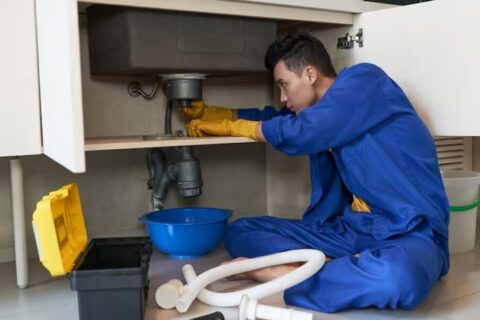
Key Takeaways
Moving your sink to an island increases your kitchen’s workflow by centralizing prep and clean-up, diminishing perimeter…
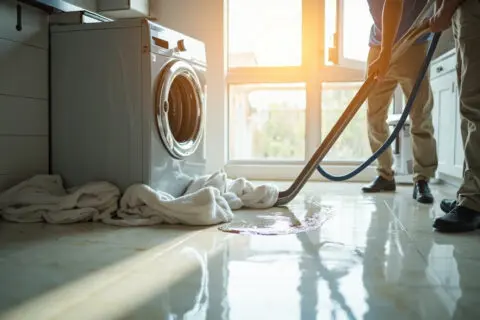
Key Takeaways
Understand typical issues such as drain clogs, incorrect installation, and pump or hose malfunctions to target fixes where…