
Main Drain Cleanout: Where to Find It and Why It Matters
Key Takeaways
-
This is the main drain cleanout—a capped pipe that allows direct access to the main sewer line and is crucial for clearing blockages, inspections, and emergency repairs. Locate and identify it in your home to allow for quick reaction when issues develop.
-
Typical cleanout locations are basements, crawlspaces, outside yards, foundation walls and garage floors. Check these areas and mark the precise location so professionals can reach it fast.
-
By keeping the cleanout area clear and the cap in place, you contribute to reduced repair time and labor costs, prevent sewage backups, and protect your home or business from overflowing or burst pipes.
-
Routine checks and preventive maintenance through the cleanout, such as camera inspections and hydro jetting when necessary, can prevent root intrusion, grease buildup, and expensive emergency services.
-
If you have access barriers such as a buried or hidden cap, landscaping, or finished flooring, probe likely spots, label the cleanout, and ensure your installation conforms to local plumbing codes.
-
To work best, schedule periodic professional inspections, keep records of maintenance, and consult licensed plumbers when installing, relocating, or making repairs to ensure compliance and long-term system health.
The main drain cleanout location and why it matters refers to the location at which a home’s sewer line is accessible for inspection and clearing. Knowing where it is can help you locate blockages more quickly, reduce repair time, and save on service fees. Cleanouts are commonly by the foundation, in the yard, or inside basements. Knowing where your main drain cleanout is located makes things easier for everyone, from ensuring timely maintenance to facilitating clear conversations with plumbers for better long-term plumbing care.
Core Function
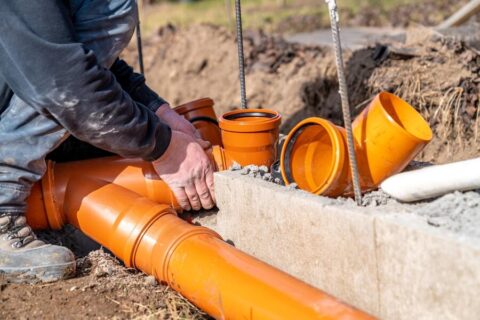
About: main drain cleanout A capped pipe providing direct access to the main sewer line for clearing blockages and maintenance work. It’s a basic fitting, typically a threaded cap or plug, placed where the building drain connects with the public sewer or at the property line. The cap encapsulates an inlet that allows tools to access the sewer without having to cut pipes or remove fixtures.
The cleanout is your front line defense against big clogs, sewage backups and raw sewage in your home. When the lead line clogs with roots, grease or debris, water and waste can back up into lower drains and basements. A convenient, obvious cleanout allows plumbers to get to the clog point fast and begin working before harm or health hazards escalate. This minimizes the potential for expensive damage and inconvenience for residents.
The cleanout allows utilization of both standard and specialized tools for inspection and cleaning. Plumbers can snake or auger through the cleanout to cut and pull obstructions. Hydro jetting equipment can hook at the cleanout to blast water down with enough force to scald and wash away scale, grease, and roots. Inspection cameras feed through this same port so technicians can observe the location and causes of blockages, view pipe condition, and capture diagnostic images. They’re most effective when the cleanout is near the issue and large enough to accommodate equipment.
RIGHT PLACE AND ACCESSIBILITY – This is important for emergency repairs, regular maintenance and code compliance. A cleanout should provide immediate access for connection to the home plumbing for service without excavation or disassembly of fixtures. Many houses locate the cleanout close to the foundation where the building sewer leaves, so it is relatively accessible from the yard or basement. Others find it at the property line or side yard, where municipal connections intersect private drains. The cleanout is typically capped, occasionally valved and may be set in a riser box or flush with a concrete slab for protection.
Strategically located cleanouts enable preventative maintenance and swifter emergency response. Routine inspection via the cleanout detects early warnings of pipe deterioration, root intrusion, or grease accumulation so remedial actions take place before backups get under way. Examples: a homeowner who schedules a camera inspection can find a small root incursion and cut it before a full blockage; a technician can attach a jetter at the cleanout and clear years of grease in a single visit. The core function is to provide a protected, effective means to examine and unclog the main sewer line.
Typical Placements
Main drain cleanouts are access points installed where the main sewer line is located. Placement is based on the home’s construction, age, and local plumbing codes. Knowledge of usual locations quickens reaction in a crisis and assists when arranging checkups or fixes.
-
around the foundation perimeter, often within a few feet of where the main sewer line leaves the house
-
Within five to ten feet of the foundation where the main line exits the house.
-
Inside basements near floor drains, utility rooms, or where the main line goes through the foundation wall.
-
In crawlspaces along the horizontal sewer run, occasionally beneath soil or insulation.
-
In yards, close to the bathroom side of the house, or by the water meter if the line runs toward the street.
-
At the property line where private pipes connect to the city system.
-
Garage floors if the main sewer line passes beneath the slab are commonly near floor drains or water heaters.
1. Basements
Basement cleanouts reside where the primary drain pipe runs nearest the floor or out of the foundation wall. They are commonly found around floor drains, laundries, or utility rooms. Caps, which may be threaded plugs or square-nut fittings, can be flush with concrete and are easy to miss if covered by a rug or storage. Older homes tend to have cast iron or brass fittings, while newer builds prefer PVC or ABS plastic. They are typically found within about 1.5 to 3 metres of the base outlet for immediate reach in blockages.
2. Crawlspaces
Crawlspace cleanouts come after the main sewer line is laid flat underneath the house. They can be buried under a shallow layer of earth, hidden behind insulation, or down low on foundation walls. Take your flashlight and long probe or screwdriver, pressing around suspected spots. Probes can uncover the capped pipe beneath soft soil. Low clearance and debris make access difficult, and older setups might be badly sited, so expect tight quarters.
3. Exterior Yards
Outdoor cleanouts are short vertical pipes with threaded caps about 10 cm in diameter that sit flush or a bit above ground. They tend to be near the house, within a few metres of the foundation, in lawns, mulch beds, or along walks. Inspect by patios, side yards, and out front if the primary sewer drains toward the street. Occasionally, a second cleanout is positioned close to the water meter or property line. Identify it immediately with a visible stake or paint so it won’t be covered by foliage or dirt.
4. Foundation Walls
Cleanouts in or just outside foundation walls allow you to clear blockages before they reach municipal lines or a septic connection. They could be buried under landscaping, concrete, or mulch, so check both inside and outside of the foundation perimeter. Tree roots close to the line can move or crack fittings and require more frequent inspections.
5. Garage Floors
Garage cleanouts are set in where the sewer line passes beneath the slab and are frequently flush with concrete in the vicinity of floor drains, water heaters, or utility sinks. They can be hidden by storage or cars. Finished floors or bad sealing can cover caps and reduce access. Clean the area prior to service.
Strategic Value
Strategic Value: Knowing exactly where your main drain cleanout is speeds and secures response to sewer issues. A sewer cleanout offers immediate access for clog clearing, so plumbers can access the main line without excavating or fumbling. Precise location details assist crews in arriving prepared with the appropriate equipment, reduce onsite time, and get to work immediately. Strategically positioned cleanouts by the foundation, at the property line, or in the front yard allow access to different parts of the system without long equipment runs or additional digging.
Rapid Access
Strategic value means immediate access to the cleanout so you can easily clear clogs before they turn into full backups. Plumbers can feed drain snakes, inspection cameras or hydro-jetting nozzles directly into the line via the cleanout, which is more expedient than tackling the issue from interior fixtures or digging to expose the pipe. Maintain the surrounding area free from landscaping, debris and heavy objects so a technician can immediately access and work. Tag the cleanout with paint on a curb, a subtle stake, or a map in the house files so emergency crews or subsequent crews get there quickly. For older homes without good cleanout access, installing a strategically located cleanout can be the difference between hours and days of repair work.
Cost Reduction
-
Direct access reduces labor hours and decreases equipment rental or hauling expenses.
-
Preventive maintenance through the cleanout circumvents emergency call-outs and urgent digs.
-
Several cleanouts minimize long cable or extra camera passes.
-
A cleanout in good shape that is maintained can save you hundreds to thousands of dollars in expensive digs. Strategic Value: Direct access cuts billed hours since techs can put tools into the main line fast versus through interior drains. Frequent service for inspections and cleanings allows us to catch root invasion, grease, or pipe wear early, prior to catastrophic failure. Average costs with and without accessible cleanouts, routine maintenance and small repairs versus emergency excavation and full pipe replacement, are in the simple table below.
Damage Prevention
Timely cleanout clearing prevents sewage backups that flood and contaminate the inside of the home. Clearing a clog from the cleanout releases pressure in the system, reducing the potential for cracked or burst lines. Periodic inspection and cleaning help prevent root intrusion, grease buildup and debris accumulation that cause slow drains or catastrophic failures. Seal all caps—threaded or twist-offs provide a watertight fit and access for servicing. Damaged caps invite odors, bugs or dirt into the line. A good cleanout provides homeowners the security of an immediate, direct handle on possible sewer problems.
Access Barriers
Access barriers are the physical and administrative impediments to rapid, secure deployment of a primary drain cleanout. These barriers increase repair costs, delay emergency response, and in many older homes, require retrofits to align with modern expectations. The subsections that follow address typical hiding places, inspection and code problems, and hands-on measures to maintain cleanouts in use.
Hidden Caps
Cleanout caps can be hidden by grass, soil, mulch, paving, or garden features. In yards with raised beds or thick mulch, caps can sink below grade and be skipped during regular inspections. Around foundations, dirt piles or flower plantings sometimes cover vertical cleanouts. Probing the ground with a long screwdriver or metal probe can find buried cleanouts. Probe carefully and slowly in probable areas along the line between fixtures and the street. In other homes, caps rest beneath concrete walkways or new patio slabs, requiring judicious wet-saw cutting or core drilling to expose them without marring adjacent finishes. Make a list of possible hiding spots depending on your home layout and where the main line is likely to run. For instance, short runs from basement drains typically come out in the vicinity of the front yard or driveway. Mark located cleanouts with a durable indicator. A weatherproof plastic box, painted stake, or recessed cover designed for foot traffic keeps the cleanout visible but protected. For finished basements, think about an indoor access panel that permits a plumber to access the cleanout without cutting finished drywall. A lot of homeowners don’t know this information, so recording the cleanout location in the home file prevents future hiding and expensive hunt time.
Code Violations
|
Requirement |
Typical Standard |
Consequence if Violated |
|---|---|---|
|
Accessibility |
Clear access within 0.6–1.2 m horizontally (varies locally) |
Fine, failed inspection, required retrofit |
| Size | Minimum pipe diameter and cap type per code | Ineffective cleaning and permit declined | | Location | Immediately behind foundation or main sewer exit | Extra digging later | | Visibility | Secured but labeled entry | Longer to fix and more expensive |
While missing or inaccessible cleanouts can result in fines or failed inspections when selling or renovating. Municipal regulations typically establish distance, size, and accessibility standards. These differ, so check local code prior to installation or relocation of a cleanout. Proper installation requires the right pipe diameter, removable cap style, and a location that allows a technician to operate without removing finished materials. Administrative barriers exist; some jurisdictions require permits or inspections before opening or altering a cleanout, which can delay urgent repairs. Routine inspections and record keeping minimize the risk of violations and surprise costs, and strategically located cleanouts diminish the potential for backups and structural harm.
Inspection Protocols
Inspection protocols define the minimum standards for maintaining the main drain cleanout operable and readily accessible. Start with the cleanout, which is usually 5 to 10 feet from where the main sewer line leaves the building and typically within 30 meters of any fixture, with spacing between cleanouts generally maintained to 30 to 45 meters (100 to 150 feet) by many codes. Make sure the cleanout isn’t buried or covered by a permanent structure or landscaping. A conveniently located and easily accessible cleanout is the first line of defense against expensive sewer issues and backups that can ruin floors, walls, and belongings.
Checklist for Cleanout Inspection
-
Visual access: Confirm the cleanout cap is visible and clearly marked. If it is concealed by brush or litter, cut a trail and blaze it.
-
Cap condition: Check threads, seals, and cap integrity. Swap cracked or corroded caps to deter root intrusion and gas seepage.
-
Surrounding area: Remove soil, gravel, or hardscape that buries the cleanout. Never permit vehicles or heavy loads over the cleanout.
-
Proximity checks: Measure distance to the nearest plumbing fixtures and other cleanouts to ensure spacing is within code limits.
-
Physical test: Open the cap briefly to inspect for standing water, odors, or visible blockages. Wear simple PPE and heed local safety advice.
-
Record immediate actions: Note any blockage, corrosion, or accessibility issues and list next steps.
Video Inspection and Professional Scheduling
Have a periodic professional inspection using a CCTV drain camera to see how the inside of your main sewer line and cleanout are doing. Video provides a clear picture of roots, scale, sags, cracks, and joint failures well before their symptoms develop inside the building. For normal residences, a video inspection once a year or once every other year is reasonable. Properties with mature trees, aging pipes, or previous backups may require inspections every 6 to 12 months. Technicians can gauge pipe slope and record buildup that indicates more frequent cleaning.

Clearing, Maintenance, and Record Keeping
Remove obstructions, debris, and buildup from around the cleanout right away to keep it completely accessible for emergencies and routine work. Prevention is the best medicine. Never drive over your cleanout, steer clear of heavy construction near it, and report any digging in close proximity that could potentially shift pipes. Main line cleaning, which prevents clogs and backups, includes hydro-jetting or mechanical root cutting as common options based on video results. Maintain a paper or electronic record of inspection dates, discoveries, image or footage files, and repairs. This record assists in troubleshooting persistent problems and verifying warranty or insurance claims.
Expert Perspectives
Professional plumbers care about cleanout access because it impacts their ability to efficiently troubleshoot and repair sewer problems. A main sewer cleanout is the primary access point to the main sewer line, typically a 3 to 6 inch PVC or cast iron line where it exits the structure. When that cleanout is accessible, techs can hook up tools, snake cameras or remove clogs without ripping up landscaping or floors. Most new homes have a minimum of one cleanout; older ones may not and require a licensed plumber to install one to accommodate contemporary service requirements.
Specialists rely on cleanouts for camera inspections, hydro jetting, and eliminating extreme blockages. A camera run through the cleanout shows blockages, root intrusion, corrosion, and joint failures in real time. Hydro jetting through a cleanout can clear grease, scale, and roots with high-pressure water. Accessing the job from the correct cleanout minimizes the danger of inadvertently pushing debris into vulnerable pipe areas. Experts suggest a full inspection and cleanout every 18 to 22 months to maintain the main line clear. For those older homes or properties with mature trees near the sewer line, inspections every few years can stop expensive blowouts.
Professional recommendations include routine inspections and immediate replacement of broken or lost cleanout caps. A cracked or missing cap allows debris and roots to penetrate the line and odors and insects into the house. It fouls up camera and jetter connections or renders them impossible. Basic precautionary measures include swapping out a broken cap, properly sealing the cap, and scheduling cleanings. These measures run significantly cheaper than urgent fixes and can prolong the lifespan of the plumbing by years. With preventive treatment and routine cleanings, homeowners are saving thousands in avoided pipe relining, excavation, or full sewer replacement.
Plumbers consider cleanout location and condition to be key predictors of system health and longevity. Difficult-access cleanouts imply previous workarounds potentially masking bigger troubles. A cleanout upstream of the service connection or in a location where roots will penetrate increases the risk factor. Homeowners should not be pouring grease or cooking oil down drains since those can harden and create resistant clogs that beat regular drain cleaning. Knowing where your cleanout is, maintaining its cap, and having it checked regularly by a professional makes sewer management predictable and affordable.
Conclusion
A distinct location for the main drain cleanout allows plumbing work to be done quicker and with greater accuracy. Homes tend to position it either adjacent to the foundation wall, in the basement, within a crawl space, or externally by the sewer line. Plumbers utilize the cleanout to clear blockages, insert cameras, and test flow without having to cut pipes. Difficult-to-access covers, landscaping, or locked utility rooms hinder rapid service and increase repair costs. Periodic inspections and easy access remedies save time and money. For instance, raising a buried cleanout to grade shaves 30 percent off work time and prevents return excavations. Plan access when doing renovations, mark the location on home plans, and add a weather-tight cover outside. Here’s a quick checklist for your home. I can create one.
Frequently Asked Questions
Where is the main drain cleanout usually located?
The majority of cleanouts are located somewhere at the property line, at the building foundation, or within a basement. Location depends on house layout and local code. Look by the sewer lateral or where the main soil stack exits the house.
Why does cleanout location matter?
Convenient access accelerates clog removal and avoids expensive excavations. Appropriate placement minimizes damage, repair time, and the risk of contaminated backup into your home.
How can I find a buried or hard-to-see cleanout?
Check for a capped pipe, concrete cover, or a small metal lid close to the foundation or yard. Consult building plans or pay a plumber who can snake with a camera or locator.
What access barriers should homeowners expect?
Barriers might be landscaping, a concrete slab, a locked utility closet or a finished basement. If you know where the barriers are ahead of time, it allows you to prepare for removal or professional access and thus avoid delays.
How often should a main cleanout be inspected?
Check once a year and after big clogs or renovations. Routine inspections prevent leaks, root damage, and tilted caps, helping you avoid costly repairs.
Can I open the cleanout myself?
If you know what you’re doing and are equipped with gloves and the proper tools, you can pop open exterior caps for inspection. When in doubt, call a licensed plumber for major blockages, sewage, or damage.
What should a professional inspection include?
A pro will confirm the cleanout location, test access, and snake a camera through the main line. They document obstructions, pipe status, and suggested repairs with price indications.
Key Takeaways
Identify obvious red flags like consistent slow drains, sewage smells, swampy patches in the yard, or multiple fixtures…
Key Takeaways
Fluctuating or spiking system pressure is your first indication of a waterlogged expansion tank. The frequent tripping of the…