
Mixing Valves for Water Heaters: Function, Types, and Installation Guide
Key Takeaways
-
A mixing valve combines hot and cold water to provide a safe, predetermined outlet temperature and is vital for scald protection in residential and commercial buildings.
-
Thermostatic mixing valves automatically compensate for supply temperature and pressure fluctuations and assist in delivering stable water temperatures at fixtures.
-
By installing a mixing valve, you can increase the storage temperature to reduce bacteria risk, increase usable hot water capacity and make your system safer and more energy efficient.
-
Put the valve at the hot water heater outlet, make secure leak-proof connections to hot and cold lines, and adjust using a temperature gauge for confirmation.
-
Check for leaks, corrosion, mineral buildup, and temperature drift every few months and replace the valve if it cannot maintain set temperatures or shows persistent faults.
-
Think electronic for exact control and smart features when future-proofing systems. Respect local plumbing codes and manufacturer advice during install.
Mixing valve water heaters combine hot and cold water to provide safe, stable temperatures at faucets. It minimizes scald potential by regulating output within established limits.
Additionally, it enables energy savings by permitting higher storage temperatures and accommodates nearly all tank and tankless water heating systems. The most common types are thermostatic and pressure-balanced valves, measured in degrees Celsius or degrees Fahrenheit.
The core of the book covers choosing, installation fundamentals, and maintenance guidelines for residential applications.
The Mixing Valve
A mixing valve combines hot and cold water to achieve a predetermined, safe outlet temperature. It’s placed between the water heater and fixtures and is designed to protect against scalding while conserving usable hot water.
Thermostatic mixing valves are popular in modern plumbing because they automatically adjust to changing supply conditions and are a staple of both residential and commercial plumbing systems for safety and comfort.
1. Core Function
While its primary job is to blend the tank’s hot water with cold inlet feed. Mechanical or electronic designs both do this, but in different ways.
Mechanical valves use thermal expansion and contraction, while electronic valves use sensors and actuators to reach a target temperature. For example, 120 degrees is common usage. Mixing valves keep water at faucets and showers comfortable and safe.
Thermostatic mixing valves shift the hot/cold ratio up and down automatically if the inbound temperatures or pressures change, maintaining a constant outlet. They all consist of a thermostat element, the valve body, and a temperature control that modulates flow.
While a few valves have a manual knob for adjustment, many are set and sealed for safety.
2. Temperature Regulation
Mixing valves maintain a desired temperature even when source temperatures fluctuate. Thermostatic valves employ internal sensors to detect hot and cold inputs and adjust the mix instantly.
This control prevents cold or scalding surges and decreases the probability of exhausting usable hot water at plumbing fixtures. Electronic types can be programmed to exact temperatures and hold them tightly, which is sometimes beneficial in systems that demand tight control.
A simple comparison is that mechanical valves often have a narrower, passive temperature range and rely on physical response. Electronic valves offer programmable setpoints, faster response, and narrower tolerances.
Routine checks are important because valves don’t last forever. Valves last around five to six years and can gradually malfunction, allowing more hot water through.
3. Safety Mechanism
Mixing valves restrict the maximum outlet temperature to prevent serious burns and comply with many plumbing codes. They’re particularly critical in homes with young children, the elderly, or the mobility impaired.
In addition to enabling higher temperature storage and lower outlet temperatures, mixing valves reduce bacterial risks like Legionella without scalding users. A mixing valve can increase usable hot water volume by as much as 60% more from a 50-gallon tank because stored water can be heated hotter and then mixed down safely.
4. System Integration
Mixing valves connect to the heater’s hot outlet plumbing for optimal operation. Good integration provides consistent temps across showers, sinks, and appliances.
They work with radiant heating, dishwashers, and others that require a precise temperature. Typical tie-ins are the main hot outlet, recirculation loops, and branch lines to baths and kitchens.
Regular inspection and replacement when necessary keep the system safe and efficient.
Key Advantages
A mixing valve on a water heater modifies the way stored hot water is provided, blending hot and cold to a predetermined outlet temperature. This brief description frames the subsequent in-depth examination of safety, efficiency, and capacity improvements that are significant for homeowners, building managers, and specifiers.
Scald Prevention
Mixing valves manage the top outlet temperature, providing dependable scald protection at taps and showers. Thermostatic mixing valves detect fluctuations in inlet temperatures and flow, and they instantly adjust blending, reducing the risk of sudden scalding when someone else in the house turns on water.
Plumbing codes typically mandate mixing valves wherever at-risk populations reside or where point-of-use protection is necessary, a rule that reflects their established role in preventing burn injuries. Installing a mixing valve is an immediate, low-effort way to enhance safety for kids, seniors, and the differently abled.
Energy Conservation
Mixing valves allow a water heater to store water at high temperatures, yet still provide safe water to fixtures. High storage temperatures suppress Legionella proliferation risk since most bacteria cannot endure long-term exposure over roughly 60 °C.
Storing hotter water means less reheating during heavy use, which can make the system more efficient. Reduced fixture flow rates, enabled by stable outlet temperatures, decrease standby losses and allow insulation to perform more effectively.
Electronic mixing valves introduce precise temperature control and flexible operation, assisting in saving optimization for larger or complex systems. Practical tips: set storage to the safe high end for bacterial control, insulate the tank and pipes, and use thermostatic settings matched to typical uses to avoid waste.
Water Capacity
Mixing valves multiply effective hot water capacity by mixing stored hot with cold at the outlet, providing more usable hot water per litre in the tank. A thermostatic valve can greatly increase the number of hot showers a given tank provides because each litre of hot water is used at a lower outlet temperature while still comfortable.
This allows smaller tanks to handle multiple-bathroom homes or peak periods without instantly requiring a bigger heater. Mechanical valves provide a reliable, lower-cost choice for standard installs, while thermostatic or electronic types introduce control and coverage increases.
I had a quick comparison chart that demonstrated how a 150-litre tank at a higher storage temperature plus mixing creates similar usable hot water to a much larger tank without mixing. Proper installation and setup help to achieve these benefits and extend heater life by decreasing scaling and corrosion risk from repeated low-temperature cycling.
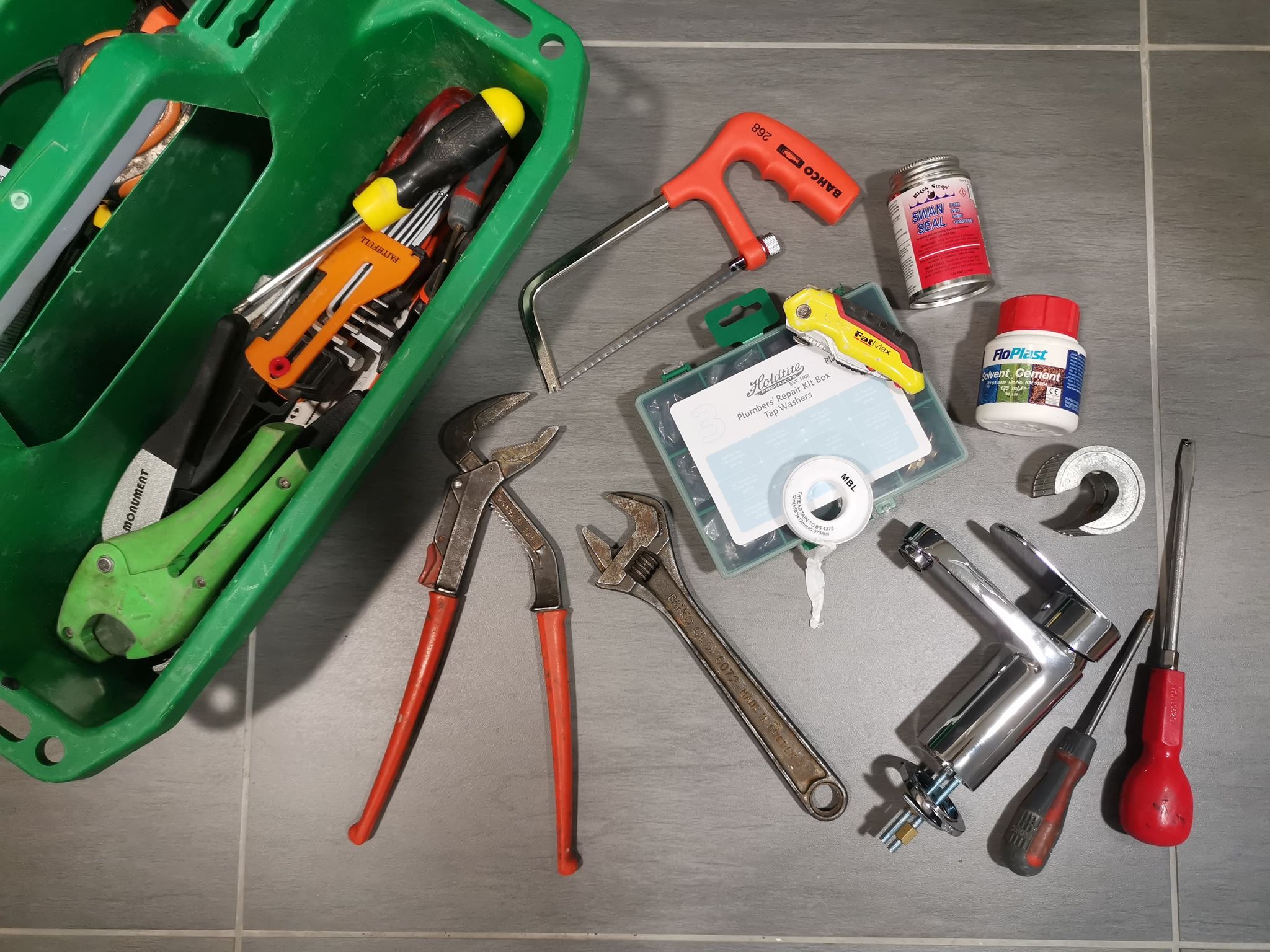
Valve Types
Mixing valves for water heaters fall into two principal types: mechanical and electronic. Each type employs different means to regulate outlet temperature and has benefits for particular installations. Which one you choose depends on factors like installation difficulty, price, features you need, and whether it is for a house, hospital, or office building.
Mechanical
Mechanical mixing valves employ physical thermostats, springs, or diaphragm mechanisms to detect and equalize hot and cold flows. Pressure-balanced valves are a common sub-type used at showers and single fixtures, which respond to sudden pressure changes in order to prevent scalding.
Mechanical thermostatic mixing valves achieve this by physically moving an internal element until sensors achieve the setpoint and then maintaining that blend with simple components that are easy to service. These valves have a reputation for reliability and longevity when serviced.
Common life expectancy is 5 to 6 years. Regular cleaning and calibration will increase that. They’re commonly deployed in whole-house systems, residential bathrooms, schools, and smaller commercial sites as they require no external power and have simple fail-safe behavior.
Mechanical units require manual adjustment for calibration and maintenance. That means a licensed plumber needs to adjust the outlet temperature and inspect the element, springs, and any seat washers. They’re cheaper initially and easier to install, which suits budgets that prefer low initial outlay and little wiring.
On the negative side, they have no remote control or scheduling and can drift out of calibration unless checked.
Electronic
Electronic mixing valves use temperature sensors, microcontrollers and actuators to achieve precise control over the mixed water. They measure inlet temperatures and adjust the mix until the desired outlet temperature is achieved. Digital valves usually feature programmable settings, remote monitoring, and alarm outputs for high or low sensor faults.
Electronic valves provide better temperature stability and quicker response to varying demand. They work well with smart water heaters and building management systems, which makes them a good match for modern plumbing in hospitals, clinics, commercial kitchens, and large multi-zone residential systems.
Functionalities such as logging, remote setpoint modifications, and safety lockouts provide operational versatility. They cost more and need power and frequently, network connections. Installation can be tricky and might require expert commissioning.
Maintenance is about sensors and electronics instead of really mechanical wear. Diagnostics can make troubleshooting easy.
Pros and cons (at a glance):
-
Mechanical: lower cost, simple install, durable. Manual, less accurate, no remote functions.
-
Electronic: precise control, programmable, remote monitoring. Higher cost, needs power, more complex install.
Installation Guide
A mixing valve combines hot and cold water to provide a consistent outlet temperature, minimizing the risk of scalding. This guide includes placement, connection, and calibration steps, code and safety notes, and practical tips to assist installers and informed homeowners in finishing a compliant, durable installation.
Placement
To minimize the possibility of hot or cold pockets, the mixing valve should ideally be installed at the water heater outlet. This guarantees that mixed water is delivered to all fixtures downstream. Think about your piping layout and the flow rates needed so that the valve receives 100% of your system flow without a significant pressure drop.
Check off on a cross-section diagram where you installed it and mark pipes close to it. A nice diagram following your work saves you errors on future service. If you’re using a heat pump water heater, run flexible piping to both the cold inlet and hot outlet to minimize vibration transfer.
If the heater is located on a floor susceptible to water damage, install a drain pan underneath the unit and run a drain line to a safe discharge location. In seismic zones, strap the heater with a minimum of two 22-gauge straps anchored to studs or masonry per local seismic requirements.
Connection
Fasten the mixing valve to the hot outlet and cold inlet lines with valve manufacturer recommended fittings. Install leak-free joints, such as solder, press fittings, or approved threaded connections, with thread sealant as applicable. Insulate hot and mixed lines to reduce heat loss and improve response time.
Refer to the valve manual – valves that appear identical often have a completely different internal configuration and connection orientation. Use manufacturer torque and support guidelines to avoid stressing the valve body. Confirm local plumbing codes, such as the fact that many use UBC or IBC provisions, for required backflow prevention, access clearances, and allowable fittings.
Seal condensate lines and vents are routed per code.
Calibration
Adjust the valve to the preferred outlet temperature through its thermostat, adjustment screw, or digital control. Use a calibrated thermometer at a fixture furthest from the heater and run water until temperature stabilizes before reading. Aim for a safe balance: heating tanks to 60°C (140°F) reduces legionella risk, but set the mixing valve to deliver a lower tap temperature for scald protection.
Note starting settings and develop a basic do-it-yourself calibration step guide for homeowners including instruments, direction to adjust and check points. Recheck valve settings from time to time.
Test the temperatures at your fixtures once a year and after any major plumbing work. Clean condensate lines annually and service air filters every 6 to 12 months.
System Longevity
Good mixing valve care is key to a water heater system’s longevity. With a properly serviced TMV, the heater can run hotter to restrict bacteria while dispensing safe outlet temperatures at taps and showers. Routine care results in less corrosion, fewer leaks, and less wear on both the valve and the attached plumbing.
Here are obvious steps and indicators to extend service life and sidestep expensive collapse.
Routine Checks
Check the mixing valve every few months for visible leaks, surface corrosion, and indications that the handle or actuator does not turn easily. Sample outlet temperature at multiple fixtures and correlate readings with valve set point. Discrepancies indicate calibration drift or internal wear.
Clean off any mineral scale or debris from strainers and ports. In hard-water areas, the buildup can block flow and alter temperature output. Maintain a simple record of dates, outlet temperatures measured, and maintenance performed. The log aids in tracking trends and demonstrates when to contact a professional.
Common Issues
Scalding hot or freezing cold water is a common complaint and tends to be the initial symptom of a dying TMV. Leaks in body joints or pipe connections indicate seal deterioration. Decreased flow may be the result of mineral deposits or a blocked inlet screen.
Hard water accelerates scaling and can clog the valve cartridge. Worn seals or a failing thermostat element might require repair or replacement in order to regain consistent control.
|
Problem |
Likely cause |
Typical fix |
|---|---|---|
|
Temperature swings |
Thermostat drift or scale |
Clean, recalibrate, replace cartridge |
|
Visible leaks |
Worn seals or loose fittings |
Replace seals, tighten fittings, replace valve if corroded |
|
Low flow |
Mineral buildup |
Flush system, replace strainers, consider water softening |
|
No temperature control |
Failed thermostat |
Replace valve or thermostatic element |
Replacement Signs
If you’re still getting temperature inconsistency after cleaning and calibrating, it’s time to replace the valve. Penetrating body rust, continuous leaks, or multiple failures after repair signify end of life.
In cases where a building has a significant water heater upgrade or renovation, replace older valves for newer TMVs to comply with current safety standards. TMVs often last 15 to 20 years or more, but expert servicing approximately every five years ensures you will get there.
Substitute valves that cannot ensure safe output or that do not maintain heater temperatures at 54°C (130°F) to reduce Legionella.
Future-Proofing Hot Water
Future-proofing a hot water system implies designing it so it serves your needs today and in the future. A mixing valve is the key. It allows you to store a water heater set at a higher temperature while producing safe outlet temperatures. That strategy increases usable hot water volume without increasing tank size. It introduces tradeoffs that should inform decisions.
Electronic mixing valves provide smarter control. They maintain outlet water at a specified temperature via sensors and digital controls, and they can react rapidly to demand. These models can integrate with home automation or building management systems for alerts, remote setpoint adjustments, and data logs that track usage and faults.
For instance, an apartment building can employ electronic valves to minimize scald hazard while metering each unit’s hot-water consumption. Anticipate higher initial expense and requirements for power or battery backup, plus increased accuracy and compatibility with future-proof setups.
It’s important that it works with flexible-capacity heaters and new plumbing standards. Most current heat-pump and condensing water heaters modulate output with load. It must be able to accommodate variable inlet temperatures and flow rates without hunting or overshoot, which can bombard the thermostat.
Select valves appropriate for the anticipated temperature range, pressure, and flow. Seek out models certified to your region’s relevant standards and that deal with the local water chemistry, as higher tank temperatures generate more mineral deposits and scale. Scale is an insulating layer that reduces efficiency and can burn out elements, so valve materials and service access are key.
Routine code and tech review future-proofs hot water. Plumbing codes evolve on scald protection, materials and backflow. Review codes every year and follow manufacturer bulletins. New tech such as valves with self-clean cycles or replaceable cartridges can minimize your maintenance time.
Maintain the heater to extend life: flush tanks to remove sediment, check and replace sacrificial anode rods, and inspect heating elements or burners. These steps prevent corrosion and scale, which would otherwise reduce both heater and valve lifespan.
Future-proof your hot water. Integrate thermostatic or electronic control, fail safe shutoff, adjustable lockable setpoint, serviceable internals or replaceable cartridge, compatible pressure/temperature ratings, and certifications for safety.
Assume a standard mixing valve lifespan of approximately 5 to 6 years, budget accordingly and ensure access for replacement in a timely manner. Remember that cranking up the thermostat to boost deliverable hot water is effective but results in elevated standby heat loss and longer recovery, as well as increased scale risk.
Mixing valves let you circumvent those drawbacks while maintaining water safety around 120 degrees.
Conclusion
Mixing valve water heater combines hot and cold water to establish a consistent outlet temperature. It reduces scald risk, reduces energy waste and makes everyday use less anxiety-ridden. For homes, a thermostatic valve suits most requirements. For larger systems, a motorized valve provides more precise control and zonal control. Install with clear inlet labels, tempering bypass and pressure balanced loop for good measure. Check valves and regular inspections prolong valve life. Buy models with replaceable parts and warranty so they are easier to repair.
If you need assistance selecting a valve or a straightforward parts list for your configuration, provide your heater type and household size and I’ll provide customized options and estimates.
Frequently Asked Questions
What is a mixing valve and how does it work with a water heater?
A mixing valve mixes hot water from the heater with cold water to provide a constant output temperature. It avoids scalds and equalizes temperature under fluctuating demand.
Why should I install a mixing valve on my water heater?
A mixing valve provides scald safety. It boosts usable hot water and comfort by maintaining outlet temperatures steady.
Which mixing valve type is best for my home?
Thermostatic mixing valves (TMVs) are common for residences. They provide temperature control and automatic adjustment. Select certified valves sized for your flow rates.
Can a mixing valve extend my water heater’s lifespan?
Yes. By minimizing aggressive cycling and temperature stress, a mixing valve can minimize wear on tank components and scale buildup. This helps the system last longer.
How difficult is installation and should I hire a pro?
Installation may be simple for the seasoned DIYer. Local codes usually mandate a licensed plumber. Hiring a professional guarantees proper installation, adjustment, and code compliance.
How do I maintain and test a mixing valve?
Check once a year. Flush out debris and test the temperature with a thermometer. Replace the valve or internal cartridge if temperatures drift or flow is constrained.
Will a mixing valve save energy or water?
Mixing valve water heaters permit lower heater setpoints and minimize run-to-run temperature swings. A mixing valve can cut energy use and eliminate unnecessary hot water waste.
Key Takeaways
Understand typical issues such as drain clogs, incorrect installation, and pump or hose malfunctions to target fixes where…
Key Takeaways
We recommend changing your evaporator pad at least once a year, prior to the heating season. Coordinate the change with…