
Same Day Water Heater Repair Littleton, CO | Emergency Service & Fast Response
Key Takeaways
-
Do same day hot water, no hot water, pilot or ignition system, circuit breaker, and visible leaks check before calling service.
-
Check safely the power source and pilot light and reset once if the dedicated breaker tripped, noting any recurrence for the plumber.
-
Know the usual suspects: thermostat or heating element failure, sediment, gas supply issues, dip tube damage, to articulate symptoms and expedite repairs.
-
Take into account Littleton issues like hard water, altitude and seasonal demand when servicing, with water softeners, insulation and high-altitude rated equipment when appropriate.
-
Consider repair versus replacement by comparing unit age, total repair cost, efficiency improvements, and previous repairs. Consult a licensed plumber for gas or tricky work.
-
Just as you wouldn’t wait to change the oil in your car, use preventive maintenance — annual tank flushing, leak checks, pipe insulation — to reduce emergency calls and maximize same-day hot water restoration.
No hot water same day Littleton means we get your household hot water repaired within a single day in Littleton, CO. Providers employ trained plumbers, on-site diagnostics, and parts stocking to resolve common problems such as failed heaters, leaky valves, or sediment build-up.
Usual response time is a matter of hours, even for emergency no hot water same day Littleton.
Our guide below describes your options, what you should expect to pay, and how to select a dependable same-day service.
Immediate Checks
Immediate checks provide a rapid insight into the reasons behind a water heater halting hot water production and can stop minor issues from escalating to costly repairs. These checks can be anxiety reducing by providing rapid, actionable information. They are not necessarily conclusive and may require follow-up by a specialist.
Here’s a concentrated checklist to deploy when you require same-date responses in Littleton or anywhere comparable:
-
Confirm power or gas supply to the water heater.
-
Inspect the pilot light or ignition for gas models.
-
Check the special circuit breaker or fuse for the water heater.
-
Check for apparent leaks at the tank, valves, pipes, and fittings.
-
Sniff for gas or atypical odors that signal line problems.
-
Be aware of recent power outages or home work that could impact wiring.
-
Document any findings, including photos and locations, for technicians.
Power Source
Verify the unit is plugged in or hard-wired and that breakers are on. Check the socket with something simple like a lamp or a multimeter to make sure voltage is actually there. Recent power outages or home electrical work typically reset breakers or GFCI devices, so check those as well.
Check the manufacturer’s guide for the proper reset sequence on electric heaters. If the heater remains powerless, cease and schedule an electrician or plumber, as constant resets can hide wiring faults.
Pilot Light
Quick check pilot lit on gas units – an out pilot is the number one easy to fix cause of no hot water. Follow the unit’s safety steps: shut off the gas, wait a safe interval, and relight per the manual.
Look at the thermocouple – if it’s sooted or damaged, the thermocouple can allow the pilot to go out again and again and will need to be replaced. Smells or hissing during work can allude to a gas leak and necessitate evacuation and service.
Recall relighting can ease immediate worry but doesn’t substitute for complete examination.
Circuit Breaker
Locate the water heater’s breaker in the panel and check for a tripped switch. A tripped breaker is typical post-overloads. Reset the breaker just once.
If it trips again, that’s indicative of a continuing electrical or heating element issue. Mark the breaker distinctively for quick reference during an outage or when debugging. Stubborn trips or warm breaker panels deserve a licensed electrician to avoid fire hazard and to ascertain if the unit or wiring requires repair.
Leaks
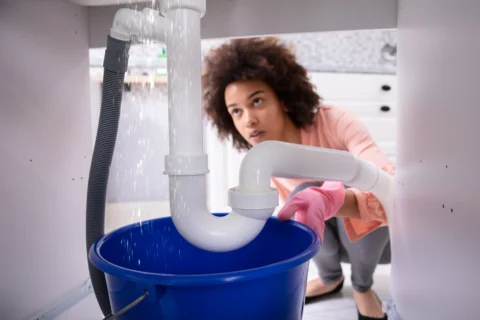
Inspect near the bottom, intake and discharge pipes, pressure release valve and connections for leaks or accumulated water. Hand tighten loose fittings and replace visibly corroded valves instead of risking repeated leaks.
Active leaks cause structural or mold damage and warrant same-day emergency service. Mark leak size, duration and precise locations with photographs to provide a plumber for quicker, more precise repair quotes.
Common Causes
Water heater breakdowns that shut down a home’s hot water flow for the day typically come from a short list of mechanical, fuel and maintenance problems. Here is a numbered list of common causes, how each one impacts performance, and what to say to a plumber to hasten fixes.
1. Thermostat Failure
A thermostat that reads incorrect temperatures or won’t hold a setting will lead to sporadic hot water or none. Test the setpoint versus the actual water temperature at the tap. If they differ widely, the thermostat may need adjustment or replacement.
For electric units, a bad temperature cutoff switch can likewise mimic thermostat failure and shut off power to elements. Inform the technician you experienced erratic temperatures and the setpoint utilized. Mention the unit age, as many thermostats go bad on units that are 10 to 15 years old or older.
2. Heating Element
Electric heaters use one or two elements for heating water. A busted part delivers tepid or cold water. A straightforward continuity test with a multimeter indicates a break.
Replacing components generally repairs service rapidly, but if components die over and over, suspect potential electrical problems or an aging tank. Note any tripped breakers or recent power issues when calling a pro, as blown fuses may disrupt element function.
3. Sediment Buildup
Mineral deposits settle in the tank, making rumbling noises, reducing thermal contact, and decreasing efficiency. Flushing the tank on an annual basis is a simple cure, particularly in hard-water regions, and can save you from early tank failure and anode rod deterioration.
Sediment can mask heater issues and lead to element burnout. Request a tank flush and anode rod inspection when scheduling service.
4. Gas Supply
Gas units must have an open valve and a lit pilot or dependable ignition system. A bad pilot light doesn’t let the burner light and provides no hot water. Check gas lines for leaks and blockages; these are safety concerns and require licensed repair.
If you smell gas or suspect a leak, get out and call a pro. Let the plumber know if the pilot stays lit or clicks and doesn’t fire.
5. Dip Tube
A broken dip tube allows incoming cold water to mix with hot at the tank top, so faucets run cold. Watch for plastic bits in faucets, indicating dip tube disintegration.
Swap out the dip tube, an easy repair, but factor it into regular maintenance to prevent repetitive cold-water pulls. Long runs of uninsulated pipe can chill hot water before it arrives at taps. Be sure to note pipe length and whether it is insulated when diagnosing.
Littleton’s Impact
Littleton’s altitude, soil, climate and aging systems provide a unique set of local plumbing conditions that transform the way no-hot water disasters play out and same-day responses must be mapped. The following notes capture the most frequent and unusual problems techs and residents encounter.
-
High elevation effects on combustion and appliance performance
-
Hard water mineral scale in pipes and tanks
-
Expansive clay soils that shift and stress buried lines
-
Even clogged drains and sewers with mature tree roots and leaf lint.
-
Aging drainage infrastructure that cannot clear accumulated buildup
-
Freeze risk from rapid temperature fluctuations resulting in burst pipes.
-
Higher risk of leaks that can cause water or sewage damage.
Water Hardness
Littleton hard water deposits mineral scale on heating elements, inside tanks and pipe walls. Scale insulates and makes it harder for heat to pass through, so heaters need more time to warm water and consume more energy. Over time, this scale buildup can reduce tank capacity and lead to premature failure.
Install a whole-house water softener to reduce scale. A softener removes the calcium and magnesium that make crusty deposits. For small budgets, point-of-use softening units or magnetic scale reducers can assist but are not as effective as ion-exchange systems.
Homes with hard water demand more maintenance. For replacing sacrificial anodes in tanks earlier, check heating elements and schedule more service calls. A simple preventive step is to flush the tank every six months to remove settled minerals. In severe cases, flush quarterly. Flushing extends heater longevity and reduces the risk of emergency no-hot-water calls.
Altitude Effects
Altitude affects gas combustion and burner performance in water heaters. Thinner air at higher altitudes changes the fuel-air mix and can cause reduced efficiency or incomplete combustion if the unit isn’t adjusted for altitude.
Change the settings on your appliances or purchase models that are rated for high altitudes. Manufacturers print correction factors. Seasoned plumbers will tune burners, pilot orifices, and venting to local conditions. Opt for heaters with obvious high altitude ratings when swapping out old units.
Ask plumbers who work the Front Range routinely. They understand how clay soils and shifting ground influence buried lines and can combine combustion tuning with appropriate venting, pipe slope, and support for long term stability.
Seasonal Strain
Winter means increased hot water needs for showers and heating, burdening systems already suffering diminished efficiency from scale or age. Insulate the tanks and any exposed pipes to keep the heat in longer and shorten run time. Insulation further prevents freezing, which in Littleton can burst pipes and spill expensive water or sewage into dwellings.
Tune up before winter and then again in spring to catch root intrusions, leaf-blocked drains, and pressure changes from temperature swings. Watch for weepy leaks early; they left unchecked become structural damage and raw sewage issues that add up to thousands of dollars.
Repair vs. Replace
Repair or replace water heater – a quick, clear look at the practical factors. The next sections deconstruct those and provide figures, examples, and steps to help homeowners and small businesses make the best decision for same-day no-hot-water scenarios.
Age
-
Assess unit age first. Units over 10 to 12 years are prime candidates for replacement due to reduced reliability and rising failure risk.
All tanks rust and leak eventually. If yours is over eight years old and is leaking, a new one is probably the safe route. For example, a 12-year-old electric tank with visible rust at seams usually means the tank integrity is compromised.
-
Track maintenance history to judge future costs.
About: Fix vs. Replace A heater with annual inspections and repair records might last longer than one with none. Regular flushes, anode rod replacements, and thermostat inspections add years.
-
Check warranty coverage before choosing repair.
They really should consider repair versus replace. If a part is under warranty, repair can be quite economical. If your main tank or major components are out of warranty and old, replacing can minimize long-term risk.
-
Plan proactive replacement to avoid emergency downtime.
For commercial or residential critical hot-water requirements, swapping out a 10-year-old unit on a scheduled plan avoids emergency breakdowns that must be repaired the same day.
Repair Cost
-
Compare repair totals to new-unit price.
Small fixes, approximately $50 to $150 and frequently completed in just a couple of hours, may make sense for newer heaters. Major repairs come in the national US range of $200 to $1,000, averaging around $500. For example, replacing a heating element might cost $120, while a new thermostat and labor could approach $400.
-
Include labor, parts, and likely future repairs.
Consider the possibility that more failures will ensue, particularly for older models. A $700 repair on your 12-year-old heater probably isn’t smart.
-
Get clear, upfront pricing from plumbers.
Request itemized estimates to avoid hidden charges. For same-day calls, check emergency and after-hours charges beforehand.
-
Repair when costs and unit age are low.
If a sturdy 3 to 5 year-old tank requires a minor part, repair is generally best and can get you back in service the same day.
Efficiency
-
Measure current efficiency and compare to newer models.
New tanks and heat-pump or condensing units use less energy. Upgrades can reduce utility bills over time.
-
Factor in energy savings when evaluating upgrades.
Tankless and high-efficiency models save fuel but can cost more up front and may not serve large households well. They can occasionally fall short for concurrent heavy use.
-
Note performance problems like slow recovery or uneven temperature.
These indicate faltering efficiency or failing components and can warrant replacement.
-
Match replacement choice to capacity and efficiency needs.
Think about family size, peak demand, and things like turning the thermostat up to 60 °C (140 °F) and installing thermostatic mixing valves to prevent scalds and keep users safe.
Same-Day Service
About: Same-day service means a certified plumber will arrive the same day to repair or replace a water heater when scheduled by the necessary cutoff time, typically noon. This choice minimizes how long a home or business is without hot water and keeps interruptions to schedules to a minimum. When a water heater can be fixed fast, our technicians do it the same day.
When it needs to be replaced, most companies can have a new one installed before the end of the day if parts and stock are available. Emergency plumbing services span from complete loss of hot water to active leaks that threaten water damage. For those water everywhere emergencies, same-day dispatch is critical to address leaks, isolate systems and commence repair or replacement.
Same-day responses provide residents and businesses immediate assistance and frequently avoid secondary damage such as mold or destroyed fixtures. Online booking and immediate response is at the heart of same-day services. Most local providers allow customers to book online via a website or app, choose the time window they prefer, and receive confirmation within minutes.
A few even display upfront availability for same-day slots if asked before the provider’s cutoff time. Similar to Same Day Service, clear online booking shares estimates, technician arrival windows, and basic prep steps customers can take before arrival, which accelerates repairs.
Same-day service features and options include:
|
Feature |
What it means for you |
|---|---|
|
Emergency dispatch |
Technician sent immediately for major leaks or total hot water loss |
|
Noon cutoff booking |
Reserve same-day slot by around 12:00 local time, varies by provider |
|
On-truck parts |
Common replacement parts carried to finish repair that day |
|
Online scheduling |
Book via site or app with instant confirmation |
|
Fixed-time windows |
Narrow arrival windows to reduce wait time at home or business |
|
Business service plans |
Priority response for commercial accounts and managed properties |
Littleton emergency plumbing options for residents and businesses include 24/7 hotlines, priority commercial service, and same-day replacement for common tank or tankless units. Businesses gain value from service plans that minimize downtime and keep them up and running.
Homeowners have peace of mind that a call or online booking can result in a same-day visit that reinstates hot water and minimizes everyday disruption. Subject to technician load, parts stock and location. Booking early in the day increases your likelihood of same-day service.
Some providers will even make exceptions and extend cutoffs for bona fide emergencies. If you have same-day service, confirm the arrival estimates, ask what parts are on the truck, and request a written estimate before work begins so you have clear expectations.
Prevention Tips
Maintenance and inspections are your best defense against same-day no hot water emergencies. Schedule a basic check once a year with a licensed plumber to test valves, look for corrosion, and confirm the burner or heating elements work properly. Annual inspections catch slow leaks, sediment buildup, and failing parts that can cause a sudden failure.
Swap sacrificial components such as anode rods when heavily worn to increase the heater’s lifespan.
Directions
Flush the water heater tank once a year to remove sediment that lowers heat transfer and makes the unit work harder. Turn off electric or gas, shut cold inlet, connect hose to drain valve and run tank clear. If you’re not comfortable, get a pro to do it.
Flushing maintains capacity and accelerates reheating, which reduces the risk of running out of hot water.
Prevention Tips
Replace water heaters every 10 years since older units are prone to abrupt failure.
Wrap the water heater tank and insulate pipes to increase efficiency in cold weather. Wrap the tank with a specially designed insulation blanket and cover exposed pipes with foam sleeves. This keeps the heat in and cuts down on standby heat loss.
In cold climates, adequate insulation reduces the risk of freezing. To balance hot water delivery and energy efficiency, set the water heater thermostat to between 50 and 60 degrees Celsius (122–140°F). Stay away from higher settings that raise scale and scald potential.
Prevention Tips
Install a water softener in areas where hard water is prevalent to minimize scale on heating elements and inside the tank. Scale diminishes efficiency and component life. A convenient point-of-entry softener or a focused treatment for the water heater will reduce required maintenance and extend the life of equipment.
Prevent small plumbing headaches from becoming expensive emergencies by dealing with them quickly! Repair slow leaks, dripping faucets, or minor pressure variations immediately upon detection.
Close the main valve handle and wait 30 seconds when a leak becomes obvious. This easy step can minimize water damage as you dial for repairs. Let taps drip in extreme temperatures to keep water flowing and reduce freeze damage.
Leave the heat on low during cold snaps if you’re out of the house to keep pipes from freezing. Leave interior doors open to allow warm air to circulate around plumbing runs.
Keep pipe runs in unheated areas insulated and consider heat tape for exposed segments. In cold weather, pipes can freeze and burst easily, which is why prevention tips matter.
Conclusion
No hot water same day Littleton can put a quick halt to plans. Employ the quick checks to locate the easy solutions. Whether your pilot light went out, the breaker tripped, or the tank lost heat, we have defined steps to bring hot water back in hours. No hot water same day Littleton.
Broken parts, rusted tanks, or age over 10 years may require a swap that could save time and money. NO HOT WATER SAME DAY LITTLETON. Keep the heater free of debris, maintain the correct temperature, and run a flush annually to reduce surprises. Select a certified technician with transparent pricing and feedback. No hot water same day Littleton. No hot water same day Littleton.
Frequently Asked Questions
Why is there no hot water in my Littleton home right now?
Test your water heater pilot, breakers, and thermostat first. These fast fixes catch a lot of problems. If those are okay, call a licensed plumber for diagnosis and same-day repair to prevent extended outages.
Can a plumber fix no hot water the same day in Littleton?
Yes. Most local plumbers provide same day service. Same Day NO HOT WATER Littleton response times are contingent on call volume and parts availability. Inquire about emergency or priority service during your phone call.
How do I know if my water heater needs repair or replacement?
If it leaks, is older than 10 to 15 years, has rusty water, or requires frequent repairs, replacement is generally best. A technician can evaluate cost, efficiency, and expected life to suggest the ideal choice.
Could my lack of hot water be caused by high demand or a broken thermostat?
No hot water same day Littleton – High simultaneous hot water usage or a failed thermostat can result in no hot water. A tech can test the thermostat and recommend a bigger tank or tankless system if demand is the problem.
Are gas water heater pilot light problems common in Littleton?
Yes. Pilot outages are frequent with gas heaters. Wind, drafts, or a faulty thermocouple are usually to blame. A licensed plumber can carefully relight and inspect gas parts.
What should I do to prepare for a same‑day service visit?
Shut down water heater power or gas, provide unblocked access to the unit, and collect recent service records. This accelerates diagnosis and assists the technician in repairing the issue more quickly.
How can I prevent future no hot water emergencies?
Schedule annual maintenance, flush the tank once a year to remove sediment, and test pressure relief and thermostats. Regular maintenance increases dependability and decreases service emergencies.
Key Takeaways
Centennial homeowners would be wise to seek out a local 24 hour plumbing service that knows freezing winters, shifting soils,…
Key Takeaways
Know that municipal infrastructure, elevation, and seasonal demand impact water pressure in Centennial homes, so begin by…