
Signs of a Bad AC Fan Motor: Symptoms, Troubleshooting, and Repair Options
Key Takeaways
-
When you hear unusual noises such as grinding, squealing, or persistent humming, check the condenser fan motor immediately to prevent bigger malfunctions.
-
To differentiate motor problems from filter or duct problems, check for weak or uneven airflow and ensure the outdoor fan spins freely.
-
Watch out for intermittent operation, overheating warning signs, and frequent breaker tripping. Conduct electrical tests such as capacitor and winding tests when safe.
-
Apply an easy diagnostic checklist to help you make a quick and effective evaluation of your AC fan motor problems.
-
Catch bearing, winding, and capacitor problems early with lubrication, component testing, or replacement to prolong motor life and conserve energy.
-
Call in a professional for more complex electrical faults, suspected fire risks, or when repairs begin to approach replacement in cost to ensure safe and cost-effective results.
Bad AC Fan Motor
Signs of a Bad AC Fan Motor
Unusual noises Weak airflow The unit won’t start.
These signs usually accompany high energy consumption, short cycling, or a burning odor in the vicinity of the outdoor unit. Homeowners may observe the fan running intermittently or stalling under load.
Noticing these signs early can assist you in scheduling repairs, prevent compressor damage, and maintain indoor comfort throughout the warmer months.
Telltale Symptoms
Telltale Symptoms of a Failing Condenser Fan Motor
A failing condenser fan motor presents multiple early symptoms that let you take action before damage multiplies. They have to do with noise, air flow, run pattern, heat, and electrical behavior. Identifying them aids in repair timing, compressor protection, and cost escalation avoidance.
1. Unusual Noises
Grind, squeal, buzz or rattle usually means worn bearings, loose blades or internal friction. If the noise occurs solely on startup, it can indicate damaged components or a faulty start mechanism. Telltale humming can indicate a dying capacitor or an electrical short within the motor, and that short is usually the forerunner to complete motor failure.
New or intensifying sound patterns warrant investigation. Abnormal noises can be a precursor to multiple shutdowns on hot days and are frequently associated with motors on their last legs.
2. Weak Airflow
Diminished air flow from vents can indicate the condenser fan isn’t spinning at a sufficient rate or blades are obstructed. Check for uneven cooling or hot spots; those are telltale symptoms that the fan isn’t helping move heat from the outdoor coil. Dust build-up and clogged filters make the motor work harder and reduce output.
In tough environments, this wear gets faster. Motors can fail in 5 to 8 years with bad maintenance. Gauge airflow at the outdoor unit to verify that the condenser fan attains full speed.
3. Intermittent Operation
If the fan randomly starts and stops, check for electrical issues or motor overheating. Telltale symptoms include a brief cool down followed by warm air, which is commonly indicative of erratic fan behavior. Continuously shutting down on scorching hot days is another symptom.
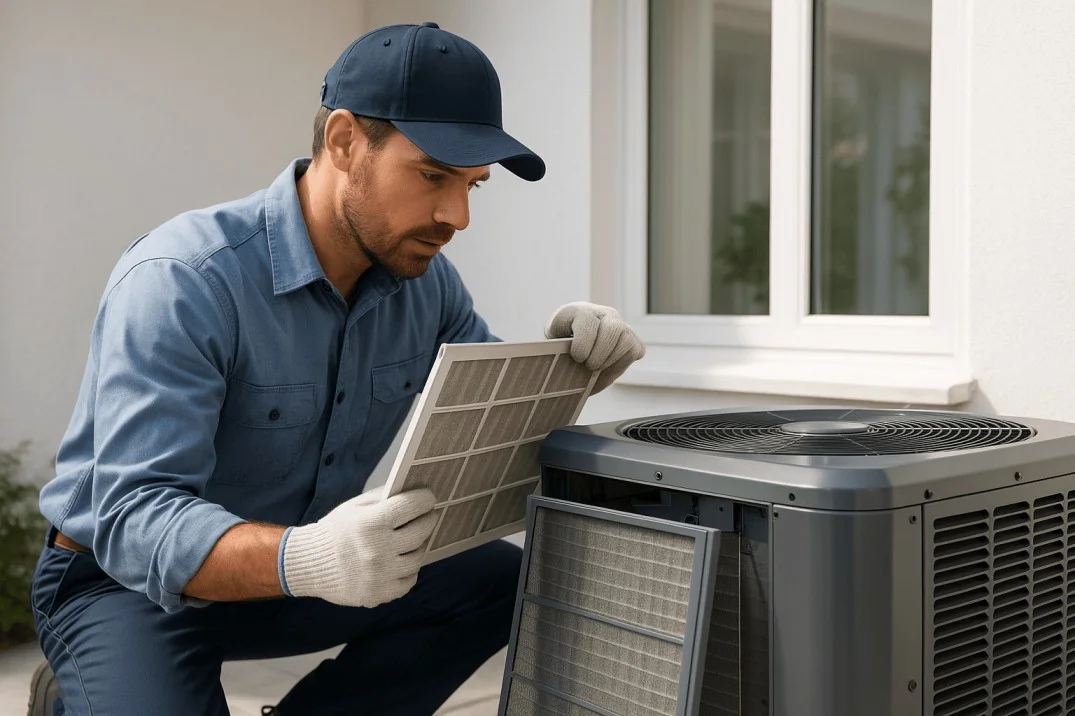
If the fan comes on only when ‘poked,’ suspect the start capacitor or the motor start circuit. Follow on/off patterns through multiple cycles. A log aids diagnosis of age, with a normal lifespan of 10 to 15 years, or sudden problems like a dying capacitor or voltage surge.
4. Overheating Unit
Heat radiating around the outdoor condenser is a telltale symptom that the fan is overworked or failing. One that’s unbearably hot to the touch is a classic telltale symptom. Burning odors indicate overheated windings or frayed electrical components.
Melted insulation or scorched wires are telling symptoms. An overheating fan motor is one of those telltale symptoms that can quickly cause compressor stress and expensive repairs.
5. Electrical Issues
Hinting breaker trips, blown fuses or power interruptions can commonly trace their roots to the fan motor. Power surges and voltage fluctuations can burn out the motor or its capacitor. Test the supply and check wiring for damage.
Tripped breakers are not normal and can indicate a short in the motor circuit. Document occurrences to assist a technician in identifying the root cause.
Diagnostic Steps
Begin with a brief overview: diagnostics for AC fan motors follow a clear sequence of visual, manual, and then electrical checks to isolate the root cause. Collect a multimeter and screwdriver set, flashlight, notepad, and camera. Switch it off and allow any ice to melt before you start. Make notes at every step to document and inform repairs and maintenance.
Visual Inspection
Begin by scanning blades, housing and wiring for cracks, bends, frayed insulation or soot that indicate overheating. Photograph damage and locations. Search out dirt caked on, corrosion on metal components or puddles indicating presence of moisture inside, as heavy grime impedes cooling and accelerates wear.
Check the condenser for leaves, grass or plastic that can block airflow and trap heat. Check motor mounts and all fasteners for looseness or corrosion. A loose mount can cause vibration and speed up bearing failure. Check adjacent contactors and relays for burn marks or pitting, because bad contactors will trip power to the motor and simulate motor failure.
Manual Test
Once power is off and confirmed, attempt to manually spin the fan to sense resistance. Gentle, effortless spinning indicates the bearings are probably good. Pay attention to any rough spots, catches, or scraping that indicate worn bearings or debris stuck between blades and shroud.
Grab the shaft and see if there is play or wobble. Any side-to-side movement is a sign of worn bearings or a bent blade assembly. Use the manual test to distinguish motor problems from airflow issues due to blockage or broken blades. If the fan is free to turn but the motor won’t start electrically, direct your attention to electrical issues like the capacitor or contactor, not the motor windings.
Electrical Check
Check voltage at motor terminals with unit called to run. Ensure adequate supply consistent with unit’s ratings. Test motor winding continuity to detect open or shorted circuits, as wildly different resistance values between phases are indicative of internal winding damage.
Diagnostic steps include checking the AC capacitor’s microfarad reading and any bulging or leakage. A weak capacitor will often prevent start-up and may be worth replacing for less than half the cost of a new motor. Check all electrical connections for tightness or signs of discoloration or heat damage.
Test contactors and relays, as a stuck or burned contact can interrupt current flow and impersonate a bad motor. For example, if windings are burned out, full motor replacement can be more cost-effective than repair. Business as usual, the benefits of annual servicing, including filter changes every 30 to 90 days, are that it minimizes risk and makes diagnostics later much easier.
Motor Anatomy
Motor anatomy – A motor in an air conditioner transforms electrical energy into mechanical force to rotate the fan blades that blow air through heat-exchange surfaces. Typical systems have two fan motors: one in the indoor air handler and one outdoors for the condenser. The condenser fan motor is important; it pulls air across condenser coils to reject heat.
Here’s a quick table of the motor anatomy.
|
Component |
Role |
|---|---|
|
Stator and rotor (windings) |
Create magnetic field and torque to turn the shaft |
|
Bearings |
Support the shaft and keep the fan aligned |
|
Capacitor |
Store and release energy to start and run the motor |
|
Shaft and fan blade assembly |
Transfer rotational force to move air |
|
Motor housing and mounts |
Protect parts and fix motor to unit |
|
Electrical connections and terminals |
Provide power and control signals |
Knowing how the components function assists in explaining typical failures and their impact on cooling efficiency. Just like the oil in an engine, proper lubrication and cleaning reduce friction and heat and prolong life.
Routine coil and fan cleaning reduces motor load by optimizing airflow. Less load means less current and thermal stress. Motors in pristine, mild environments might last 10 to 15 years, and in tough or abused conditions, they could die within 5 to 8 years.
Voltage spikes or power surges can fry windings or electronics and accelerate failure. Replacing a condenser fan motor is an expensive repair, usually between 400 and 1,200, making preventive care a smart investment.
Bearings
-
Squealing or grinding noises during start or run.
-
Excessive vibration felt at the cabinet or mounts.
-
Uneven wear on fan blades due to misalignment.
-
Heat buildup at the motor housing near the shaft.
-
Any visible play or side-to-side movement when the shaft is moved.
Worn or dry bearings increase friction, produce squeal, and make the motor pull excessive current. Bearing play lets the fan wobble, which messes up airflow and can rub the housing.
Test by pulling off the fan guard and checking for shaft wobble or rough rotation. Plan ahead to grease with appropriate oil or swap out sealed bearings. Preventative bearing work reduces strain and prolongs the motor’s useful life even further.
Windings
Motor windings create the magnetic field that spins the rotor. Overheating due to inadequate airflow, excessive ambient temperature, or prolonged overload destroys insulation and results in shorted turns. Voltage spikes disintegrate coil insulation rapidly.
Test resistance across winding leads to detect shorts or opens and compare to manufacturer specifications. A breakout in the winding typically indicates that a replacement or rewind is necessary.
Immediate response stops complete condenser fan motor failure and restricts damage to associated parts like the capacitor and compressor.
Capacitor
The capacitor delivers the ‘kick’ to get it started and to assist the motor to run efficiently. A weak or failed capacitor is most likely to make your fan hum and can even prevent it from spinning entirely.
Test caps with a suitable meter or cap tester. Out of tolerance values indicate a bad capacitor. Replace a marginal capacitor prior to it taking out the motor.
Capacitor failure often leads to motor failure, and it’s a cheap repair that can get you back up and running. Service visits that include regular checks catch capacitor problems early and help avoid larger repairs.
Potential Dangers
A bad AC fan motor presents dangers that extend further than just diminished comfort. Untended motor issues can escalate into expensive repairs, safety hazards, and increased energy consumption. Check out the sections below to learn what can occur, why it is important, and measures to take to minimize damage.
System Damage
A bad fan motor can cause poor airflow through the condenser. Lift in the reduced airflow allows the compressor to operate hotter than it was meant to. Compressor replacement is the most costly HVAC fix and it typically comes after weeks or months of neglected fan issues.
Extended motor problems let condenser coils remain dirty and hot. That mix accelerates corrosion and can warp or foul coils, impairing heat exchange and shortening component life. Bad airflow puts additional strain on the rest of the system.
The fan motor issue turns into a mechanical domino effect that strains bearings, belts, and the compressor. Avoid expensive consequences by addressing minor problems immediately. Clean coils and blades at least once a year for good airflow.
Ignore this and efficiency plummets and breakdown is more likely. When opening the unit, always check that power is off with a voltage tester. Electrical parts handled incorrectly can cause shock or electrocution.
Fire Hazard
Overheating fan motors and electrical issues can emit burning odors or smoke from the outdoor unit. Those are red flags that indicate a fire hazard and the unit should be turned off and checked ASAP. Electrical shorts can ignite insulation, wiring, or debris left around the unit.
Leaves, paper and other flammable materials should not be allowed to accumulate around the condenser as this reduces the chance of ignition. Swap out motors that are overheated, sparking or smelling like they’re burning.
Do not repair without cutting power and verifying zero via tester. Failure to verify zero risks severe injury.
Energy Waste
A struggling fan motor pulls more amps and runs longer to keep the space cool. That adds to electrical consumption and utility bills, frequently significantly. If cooling demand is satisfied more slowly, the system cycles more and runs longer hours.
Tiny inefficiencies accumulate to significant invoices. By tracking your run times, you can compare energy use before and after maintenance to observe the effect. Factor in probable energy waste when you consider repair versus replacement.
A new motor or more efficient unit can return through lower bills and improved cooling. Routine maintenance, on-time coil cleaning, and motor replacement get you back up and running efficiently and help prevent energy waste.
Professional Intervention
Professional intervention defines when a homeowner should give up troubleshooting and contact a professional technician. Minor problems such as loose wires, dirty blades, or a failed capacitor may be repaired safely by a capable DIYer, but intricate electrical or mechanical faults warrant professional intervention.
High-voltage systems, like 220 V, are a real hazard and require a pro. A technician can run tests like a stick test or use a multimeter to locate wiring faults, motor winding failures, or control-board problems that cannot be seen by sight.
Repair
Choose repair when the damage is minor and components are inexpensive compared to replacement. Conventional repairs such as capacitor swaps, bearing lubrication, and blade cleaning or balancing commonly bring them back to life in a matter of days.
Request that the mechanic give you an itemized estimate that separates parts, labor, and any necessary diagnostics testing so that you can compare it against the replacement cost. Standard labor for a minor fix is in the neighborhood of 150 to 300, typically for a 1 to 2 hour call.
Following any repairs, insist on full run tests and a re-run to see if the motor overheats or pulls excess amps. Set up maintenance visits; yearly tune-ups and cleaning can drive a motor’s life to over 15 years and keep recurring issues at bay.
Replacement
Opt for replacement when repairs are not cost effective or the motor is permanently damaged. Replacement is logical if the repair estimate comes near the cost of a new motor or if the motor demonstrates impending winding failure, seized bearings, or frequent malfunctions.
Professional replacement costs run anywhere from 250 to 800, depending on parts and labor. Pair that against warranty offers and expected remaining service life.
Make sure the replacement motor has the same RPM, frame size, voltage, and mounting type as the original, as mismatched specs reduce efficiency and could void warranties. Have a professional HVAC technician pull out the worn motor and install the new one.
They know how to safely disconnect 220 V circuits, size replacement capacitors correctly, and balance blades securely. Professionals save homeowners hundreds in labor errors and they will check the system’s airflow and electrical load post-installation.
My Perspective
The fan motor can often be thought of as the heart of an air conditioner. It’s hard wired to run through years and when it begins to falter, the entire system feels ill. From past jobs and home repairs, subtle signs were the first clue: a faint change in pitch, a small drop in airflow, or an odd rise in electricity use.
Putting out small fires early kept 911 calls uncommon. When inspecting a condenser fan motor, turn off the power breaker and remove the condenser side panel before making contact with wiring or parts.
Phantom Symptoms
-
Intermittent cooling loss that clears after system reset.
-
Noisy compressor that is really loose sheet metal.
-
A hum, the fan blades slowly turning.
-
Breaker trips of momentary surges.
A lot of false alarms come from blocked coils, dirty filters or obstructed fan blades, rather than the motor itself. Inspect the blades, capacitor and control board prior to accusing the motor. Capacitor readings should be within 10% of rated capacitance. An out of spec capacitor can masquerade as a motor failure.
Keep a simple log: note the date, symptoms, any parts swapped, and results. This history aids in identifying trends and avoiding redundant misdiagnosis.
Component Quality
-
Brand reputation and warranty length.
-
Build materials and protection against moisture or dust.
-
Mains voltage and the quality of the wiring. A 120v fan motor will generally have four colored wires.
-
Quality of bearings and thermal protection features.
My two cents: Buy a quality brand when you replace a condenser fan motor. Less expensive units may break down earlier, particularly in salty, moist, or dusty conditions. Heat and heavy use reduce lifespan.
Frequent power cycling is another culprit. Proper installation matters. Correct wiring, firm mounts, and balanced blades reduce stress. Periodic lubrication where permissible and maintaining clearances will prolong life. A zero reading on a winding test often indicates a shorted winding and requires replacement.
Subtle Clues
Hear any little consistent changes in sound or small drops in cooling efficiency. Those usually precede failure. Track energy bills: a steady upward trend without added use can signal declining motor efficiency.
Breaker tripping or fuse blowing too often could indicate an electrical issue with the motor. Here, a maintenance log will record these little shifts. Check one month’s readings against the next to catch slippage.
When checking, look for capacitor integrity and windings. Fan blades can be jammed and are visible, but can overshadow the true culprit. Routine inspections and maintenance prevent unexpected breakdowns and extend service life.
Conclusion
There are obvious, predictable signs of a bad AC fan motor. Loud grinding or wobble at startup indicates worn bearings. Slow or no spin indicates power or motor failure. A burning smell or smoke requires urgent shutdown and service. Locate loose wires, burned windings, or seized shafts. Use a multimeter and visual inspection. Be wary of uneven airflow and elevated energy consumption. A pro can test parts, swap capacitors, and fit a new motor if necessary. For homes, repair or replace promptly to reduce fire hazard and elevated bills. In rental or shared spaces, document problems and communicate with the landlord or building manager. Need assistance selecting parts or composing a service note? I can write that up for you.
Frequently Asked Questions
What are the most common signs of a failing AC fan motor?
A bad motor can lead to weird noises, weak airflow, rapid cycling, and poor AC cooling. These clues indicate motor wear, electrical problems, or bearing failure.
How can I quickly test if the fan motor is the problem?
Cut power, look for burned wires, and give the fan a spin by hand. If it is difficult to rotate or wobbles, the motor or bearings could be bad. For electrical tests, call a technician.
Can a bad fan motor damage other AC components?
Yes. A failing motor can overheat the capacitor, strain the compressor, and damage wiring. Early repair cuts risk and bigger repair bills.
Is it safe to keep using an AC with a noisy fan motor?
No. Further operation may result in an electrical short or fire hazard. If you notice burning smells, smoke, or severe noise, discontinue use of the unit and shut power off until a professional checks it.
How much does replacing an AC fan motor typically cost?
Prices differ per unit and area. Anticipate parts and labor. Getting several quotes from licensed HVAC pros helps you compare. A technician can provide a more accurate estimate after evaluating.
When should I call a professional rather than attempt DIY repairs?
Call a pro for electrical tests, motor replacement, capacitor work, or when in doubt. They provide professional service, which means safe diagnosis, the right parts, and warranty-safe installation.
How can I extend the life of my AC fan motor?
Keep coils and fins clean, clear debris around the unit, change filters on schedule, and get yearly HVAC maintenance. These steps ease stress and extend motor life.

Key Takeaways
Heat pumps typically run for a long time in cold weather and this can be normal, particularly for inverter or variable speed…
Key Takeaways
Know your parts! Identify the fill valve, flush valve, overflow tube, and refill tube before you get started so you can match…