
The Best Smart Water Leak Detection Systems for 2026
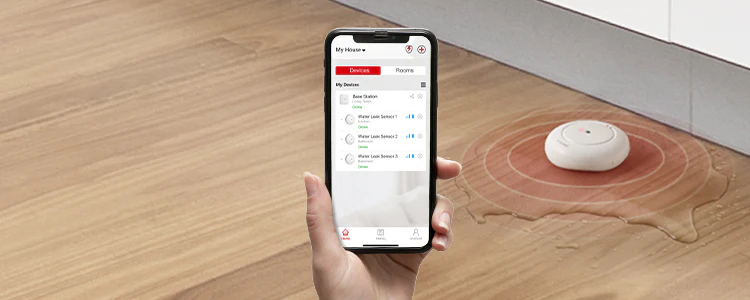
Smart water leak detection systems are Wi-Fi-connected devices that monitor your home for leaks and send an alert to your phone the moment moisture or abnormal water flow is detected. The best systems catch small drips and hidden pipe leaks early – long before they cause thousands of dollars in damage – and many can shut off your main water line automatically when no one is home to respond.
For homes across Parker, Castle Rock, Castle Pines, and the rest of the south Denver metro, that early warning matters most in winter. When overnight lows drop into the single digits, water lines running through unheated basements, crawlspaces, and garages are the most likely to freeze and burst. This guide covers the three main types of systems, what actually matters on the Front Range, and where to place sensors in a Colorado home.
What a Smart Water Leak Detector Actually Does
Every smart leak system does two core jobs: it senses water where water should not be, and it tells you about it fast. From there, the more capable systems add a third job – stopping the water automatically.
Real-time alerts
A basic point sensor sits on the floor near a likely leak source. When its contacts get wet, it fires an alert to your phone through an app, plus a loud local alarm. Because the notification is instant, you can react to a failing water heater or a cracked supply line while it is still a puddle instead of a flood – even if you are at work in Centennial or out of town.
Automatic water shutoff
More advanced systems tie into a motorized valve on your main water line. If the system detects a leak – or if you do not respond to an alert within a set window – it closes the valve and stops the flow. This is the single most valuable feature for anyone who travels in winter, because a burst pipe in an empty house can run for hours or days before anyone notices.
The Three Main Types of Systems
Point sensors (spot detectors)
These are small, inexpensive pucks or discs – often $20 to $50 each – that you place directly on the floor at known trouble spots. They are the easiest to set up (no plumbing work, just batteries and an app) and are ideal for renters or anyone who wants to protect a few specific areas like under a sink or behind a washing machine. The trade-off is coverage: each sensor only detects water that reaches it, so larger homes need several units.
Whole-home flow monitors
A flow monitor installs on your main water line and watches the volume and pattern of water moving through your entire plumbing system. Instead of waiting for water to pool on a floor, it flags the small, continuous flow that signals a hidden leak inside a wall or under a slab. Most flow monitors include the automatic shutoff valve described above. Because they tap into the main line, they should be installed by a licensed plumber.
Hybrid systems
Hybrid setups pair a whole-home flow monitor with several point sensors, giving you both broad coverage of the main line and pinpoint detection at your highest-risk fixtures. This is usually the best fit for a two-story home with multiple bathrooms, a finished basement, and a water heater – the kind of layout common across Parker and Highlands Ranch.
What Matters Most on the Front Range
Freeze protection
Colorado’s freeze-thaw cycles are hard on plumbing. Many quality leak sensors also read temperature and will warn you when the area around a pipe drops toward freezing – typically in the low 40s °F – so you can open a cabinet, run a trickle of water, or add heat before a line freezes solid. A whole-home shutoff adds a second layer of protection: if a frozen pipe does split and then thaw while you are away, the valve closes before the water can run.
Hard water and aging valves
Denver-area water is hard, and years of mineral buildup take a toll on shutoff valves, supply lines, and water heater fittings. Those are exactly the connections that tend to fail and leak. A leak system does not fix hard water, but it does give you a warning the moment a corroded fitting finally lets go.
Homes left empty in winter
Plenty of Front Range homeowners travel over the holidays or head somewhere warmer for weeks at a time. An unattended leak is the worst-case scenario, and it is precisely where automatic shutoff earns its cost. If you leave your Parker home for more than a few days in winter, a system that can close the main line on its own is worth the upgrade.
Where to Place Sensors in a Colorado Home
Coverage beats quantity. Put sensors where leaks actually start:
- Next to the water heater and inside its drain pan
- Under kitchen and bathroom sinks
- Behind or beneath the washing machine
- Near the furnace condensate line and any basement floor drain
- At the sump pump, if you have one
- Around exposed pipes in the crawlspace or garage that run along exterior walls
What to Look For Before You Buy
A few practical checks will save you frustration later:
- Wi-Fi band: many sensors only connect to 2.4 GHz networks, so confirm your router supports it.
- Power: battery models can go anywhere but need low-battery alerts; hardwired monitors never need new batteries.
- Automatic shutoff: decide up front whether you want alerts only or a system that can actually stop the water.
- Smart-home fit: if you already use a platform like Apple Home, Google Home, or Alexa, choose a system that works with it.
Professional vs. DIY Installation
Standalone point sensors are genuinely do-it-yourself – drop them in place, pair the app, and test. Anything that connects to your main water line, including flow monitors and automatic shutoff valves, involves cutting into a pressurized line and should be handled by a licensed plumber. A proper install means the right fittings, a leak-free connection, and a valve sized correctly for your service line, which typically runs 3/4 inch to 1 inch in local homes.
Frequently Asked Questions
Do smart leak detectors need a plumber to install?
Point sensors do not – they sit on the floor and run on batteries. Whole-home flow monitors and automatic shutoff valves tap into your main water line and should be installed by a licensed plumber to keep the connection leak-free and up to code.
Can a smart system really shut off my water by itself?
Yes. Whole-home systems with a motorized valve can close your main line automatically when they detect a leak or when you do not respond to an alert. It is the most reliable way to limit damage when no one is home.
Will a leak detector help prevent frozen pipes?
Many sensors monitor temperature and warn you when an area approaches freezing, giving you time to act. Paired with an automatic shutoff, they also limit the damage if a frozen pipe does burst while you are away.
Are smart water leak detectors worth it?
For most Front Range homes, yes. Water damage is one of the most common and expensive homeowners insurance claims, and some insurers offer a discount for installing a monitored shutoff system. The early warning alone usually justifies the cost.
Choosing the right system – and installing a whole-home monitor or automatic shutoff correctly – is where a licensed plumber makes the difference. 1st Choice Pro Services installs and services smart leak detection and shutoff systems for homes throughout Parker, Castle Rock, Castle Pines, Centennial, and Highlands Ranch. Call us at 303-841-1448 to protect your home before the next hard freeze.

Key Takeaways
Moving your sink to an island increases your kitchen’s workflow by centralizing prep and clean-up, diminishing perimeter…

Key Takeaways
Understand typical issues such as drain clogs, incorrect installation, and pump or hose malfunctions to target fixes where…