
Water Heater Repair & Replacement Centennial | Sizing, Upgrades & Service
Key Takeaways
-
Recognize typical symptoms such as no hot water, leakage, unusual noises, or rusty water and arrange for expert fixing if simple measures don’t revive service.
-
Hard Water Centennial Factor in the hard water of Centennial while scheduling maintenance. Flush your water heater more frequently, inspect anode rods on an annual basis, and consider water softeners to reduce mineral deposits.
-
Take preventative measures including annual tank flushes, thermostat temperature checks, and pressure relief valve testing to avoid failures and prolong unit life.
-
For repairs, first clear diagnosis, then an itemized quote and discussion of repair or replacement based on age, cost, and efficiency gains.
-
Swap out units that are more than approximately 8 to 12 years old or when repair costs near or exceed half the cost of a new, energy-efficient model. Consider tankless alternatives for large hot water using families.
-
Always verify repairs and new installations comply with local codes, obtain necessary permits, and record work and warranties for future reference.
Water heater repair Centennial refers to local services that fix and maintain household water heaters in Centennial, Colorado.
Technicians fix problems such as no hot water, leaks, strange noises, and low pressure. Common repairs include thermostat replacement, tank flushing, valve repair, and element swaps.
Pricing differs by part and labor and typically includes short-term warranties. The body details common issues, how-to fixes, and price ranges for common repairs.
Common Water Heater Problems
Older water heaters, particularly those over ten to fifteen years old, exhibit issues more frequently. Small problems mask big ones, and neglect of such easy care as flushing and anode inspections accelerates wear. These are the common faults, how to detect them, why they’re important, and what to do once you’ve detected them.
1. No Hot Water
Electric units often lose heat when a heating element or the thermostat goes bad. Test the circuit breaker or fuse initially. A tripped breaker is simple to restore and is frequently the culprit behind abrupt freezing taps.
For gas units, check the gas supply and ignition. Pilot or electronic igniters can break or gas lines can be turned off. If simple inspection (breaker, gas valve, pilot) does not return service, book professional water heater repair. Swapping elements or fixing ignition systems needs trained hands and quality parts.
2. Insufficient Hot Water
Not enough typically stems from a disagreement between heater size and household demand. Tank size matters: a small tank cannot keep up with multiple showers or appliances.
Sediment build-up reduces available hot water and lowers efficiency. Flushing the tank once a year will help, and descaling is essential in hard water areas. Thermostat settings count—aim for 120°F (49°C) for safety and efficiency.
Higher settings increase scald risk and energy consumption. For chronic shortfalls, look at a bigger tank or a tankless model for on-demand flow.
3. Water Leaks
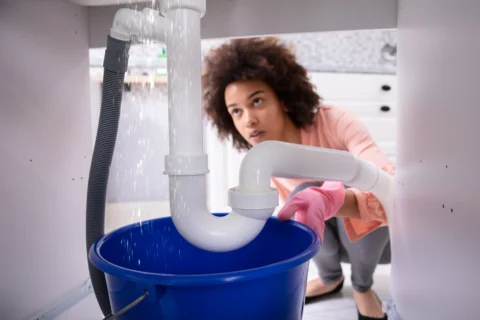
Leaking from corroded tanks, loose fittings, failed pressure relief valves, or worn gaskets. Even minor drips can create floor damage and mold if left unattended.
Address leaks fast: tighten connections, replace gaskets or valves, and if the tank itself is corroded, plan a replacement. Tanks older than the typical 8 to 12 year lifespan often warrant swap-outs.
Emergency water heater repair when pooling is visible. Call Centennial water heaters experts now as immediate action limits damage and cost.
4. Strange Noises
Rumbling, popping and banging typically indicate mineral or sediment build-up. Sediment traps heat at the bottom of the tank, forcing the element to work harder and water to sizzle as it flashes through pockets of sediment.
Routine flushing quiets clanks and prolongs service life, among other benefits. Persistent sounds may indicate failing heating elements or loose parts. Have a technician investigate if noises persist after maintenance.
5. Discolored Water
Brown or rusty hot water indicates corrosion or a dying anode rod. Test cold and hot taps to localize to the heater.
In general, change your anode rods every 3 to 5 years and flush out the tank to remove sediment. This usually makes the water clear again. If staining remains or they are asking half the price of a new stove, replacement is often the better option.
-
No hot water: check power, gas, and elements, then call pros.
-
Low output: assess size, sediment, thermostat, consider upgrade.
-
Leaks: Find source, tighten, replace valves, and make emergency repairs if pooling.
-
Noises: flush tank, descale, inspect elements and mounts.
-
Discoloration: Test taps, replace anode rod, flush, and plan for replacement if ongoing.
Centennial’s Water Reality
Centennial’s semi-arid environment and water chemistry influence how water heaters behave and must be serviced. Hard water in the area accelerates mineral buildup, winters add cold stress that prolongs recovery, and low humidity can alter corrosion patterns. The points below deconstruct effects, service measures, and choosing criteria that count for Centennial houses.
Hard Water Impact
Hard water causes scale to form inside tanks and on heating elements, thus efficiency falls and fuel consumption increases. Flush tanks more often to irrigate away settled minerals — for many Centennial homes, this translates to every 3 to 6 months, rather than once a year. Install a point-of-entry softener to deal with hardness — softeners shield elements, reduce the noise from kettling and extend service life.
Keep an eye on energy bills for surprising spikes. These typically indicate scale-induced inefficiency. In winter, harder-working heaters can exhibit slower recovery and longer hot-water waits. For electric units, investigate heating elements for white crusts. For gas units, investigate burner performance and venting, as scale causes higher on-cycle times and can cause combustion problems if venting is insufficient.
Mineral Buildup
Slow heating and low hot-water output are typical signs of mineral accumulation. Tankless systems require annual descaling and, in some cases, twice yearly, depending on hardness and usage. Visual inspections do assist—check for limescale along tank walls, on element surfaces and in fittings where flow constricts.
Add mineral checks to each regular service visit. Techs must clean deposits from dip tubes, valves and mixing valves. Mineral buildup can make heating uneven and cause supply shifts without warning. Check that your thermostats and vents are properly set and clear or you may be misdiagnosed.
For solar or hybrid systems, check collector lines and heat exchangers for scale because impaired heat transfer wastes the 50–80% electricity savings of solar-assisted systems.
Anode Rod Health
Check your anode rod annually to mitigate tank corrosion. Centennial’s water chemistry accelerates rod erosion. For example, replace a mostly consumed rod rather than replace the whole tank. This is often the most economical step in extending life.
Homeowners should learn the rod’s role. It corrodes instead of the tank, keeping water clearer and preventing rust leaks. Record anode status at every service visit so trends are apparent over time. When leaks happen, replacement is generally recommended rather than a repair.
Timely anode replacements can hold that off. Technicians should inspect for gas or water leaks, remove any flammable debris, and ensure ventilation to prevent fires.
|
Feature |
Traditional Tank |
Tankless |
|---|---|---|
|
Standby heat loss |
Higher |
Minimal |
|
Energy efficiency |
Moderate |
Higher |
|
Size/space |
Larger |
Compact |
|
Maintenance (hard water) |
Regular flushing |
Regular descaling |
|
Likelihood of urgent failure |
Higher |
Lower |
|
Typical lifespan |
10–15 years |
15–25+ years |
Proactive Maintenance
Proactive maintenance entails scheduled check-ups and regular upkeep to avoid system breakdowns, reduce repair expenses, and increase the longevity of water heaters in Centennial and other cities. Routine care minimizes surprise failures, enhances productivity, and fosters secure usage. Each of the subtopics below explores specific actions, inspections, and habits that home and facility managers should maintain.
Annual Flushing
Annual tank flushing gets rid of sediment that accumulates and interferes with heating. For tank units, drain the tank annually to purge grit that clogs, creates noise and uneven heat. Tankless units require descaling annually or as recommended by the manufacturer to prevent mineral deposits that restrict flow and reduce component longevity.
-
Shut off power or the gas supply and close the cold water valve.
-
Attach a hose to the drain valve and drain water to a safe drain or outdoors.
-
Open a hot-water tap to air the system and completely empty the tank.
-
Flush with cold water until the discharge runs clear, close the valve and refill.
-
Turn back on the power or gas and test for leaks. Flush hot water to clear air pockets.
Regular flushing keeps heating elements from burning out and lessens weird banging noises. It assists in the early detection of corrosion and facilitates the timely replacement of anode rods.
Temperature Checks
Keep water safe and avoid wasting energy with a few simple thermostat checks. Lower residential tanks to approximately 49°C (120°F). This prevents scald risk and keeps energy consumption reasonable. Tweak controls if users complain that the water is too hot or cold because little changes can optimize comfort and cost.
Measure for uneven temperatures when servicing. Variation can be a sign of a dying thermostat or heating element. Take temperatures at each visit to create a trend record. Over time, this data indicates whether performance is holding or devolving and guides the replacement of parts before they go.
Monthly visual inspections of plumbing and pipe insulation catch wear before it becomes a failure. Insulate pipes to minimize the risk of freezing during winter and keep heat loss to a minimum.
Pressure Valve Test
Test the temperature and pressure relief valve annually to make sure it opens and reseats properly. A stuck or leaking valve can lead to dangerous pressure buildup. Lift the test lever momentarily to check flow. If it does not flow freely or reseat, replace the valve immediately.
Incorporate valve inspections with all service calls and demonstrate to homeowners how the valve functions and its importance. Teach users good habits—don’t dump grease or solids down drains—to avoid downstream clogs that strain heaters and pipes.
Anode rods should be replaced every few years as a part of this safety routine.
The Repair Process
A well defined repair process makes work foreseeable and secure. Here’s how their technicians go about repairing from diagnosis to finish, how they chat with customers and what they log. Safety, code compliance and documentation rule every move.
Diagnosis
Repair Process Technicians start with a complete diagnosis to identify the root cause. They inspect for leaks, corrosion, and mineral buildup around fittings and the tank and record any unusual sounds or emissions.
Electrical checks begin by turning off power and then using a multimeter to test thermostats, heating elements, and wiring connections to eliminate shorts or open circuits. Specialized tools help confirm findings, including tank pressure gauges, infrared thermometers, and TDS meters for water quality.
Visual inspections cover the drain valve, state of the anode rod, and venting for gas units. They give the temperature-pressure relief valve a test and report whether it is working. Safety is first. Technicians wear gloves, eye protection, and insulated tools when working near live circuits or hot surfaces.
We send out a written diagnostics report before we start any repair work. The report includes documented problems, root causes, proposed actions, and time estimates. It identifies immediate safety threats, like active leaks that require immediate repair to prevent structural damage.
The Quote
Quotes are broken out and visible. Line items account for labor hours, parts, such as a thermostat replacement costing between $20 and $60, disposal fees, and any possible add-ons like tank sediment removal.
Quotes rate repair versus replacement costs, displaying expected lifespan after repair and energy efficiency implications. Financing options are available for larger jobs or installations with transparent terms and monthly estimates in a unified currency.
Warranty coverage is spelled out, including parts warranty length, labor guarantees, and conditions that could void coverage. If timelines are included, customers know when hot water will be restored.
Customers are encouraged to inquire. They specify what preventive maintenance should be done, like an annual flush to recover heating efficiency and testing the valve annually, and set thermostats to around 49°C (120°F).
The Fix
We repair using quality parts and according to manufacturer specs and local code. In the case of a thermostat or element replacement, the technician confirms model compatibility, ensures that wiring is properly secured according to code and seals up access panels.
For leaks, the source is repaired and adjacent materials are inspected for water damage. After repairs, the system is tested. Power is restored for electrical units, burners and pilots are checked for gas units, and output temperature and pressure are measured.
Technicians cycle the unit to ensure stable operation and effectiveness. Workspaces are sanitized, and antiquated parts are stripped and recycled.
Customers get a final report with work, parts, test readings, and warranty information. Technicians provide easy maintenance advice and suggested annual service.
Repair Versus Replace
How to decide to repair or replace a water heater is all about a fact-based look at age, condition, repairs history, running costs and anticipated needs. The choice hinges on measurable facts: how old the unit is, what parts fail, how often repairs are needed, and whether newer models will cut energy use and meet household demand.
Age Factor
If a water heater is close to or beyond 10 years old, replacement is usually the wise decision. Most tank-type models last roughly 10 to 15 years. After that, corrosion and leaks become more common and parts wear more quickly.
Older units that break down again and again result in more than that in expensive, unpredictable failures and repairs. Risks include sudden leaks that can lead to property damage, diminished capacity, and hazardous pressure or venting issues.
Signs a heater is aging:
-
Rust-colored water or visible corrosion around tank fittings
-
Frequent small leaks or drip points
-
Reduced hot water capacity or long recovery times
-
Strange noises from sediment build-up
-
Visible age label showing 10+ years
Repair Cost
Think about a repair bill in the context of the price of a new, energy-efficient unit. A practical rule is that if the repair cost exceeds 50 percent of the price of a new heater, replace it.
Small fixes, such as thermostat, heating element, or anode rod replacement, are logical on younger units. Major repairs, such as tank replacement or extensive corrosion, do not make sense.
Repair versus new price comparison:
|
Repair type |
Typical repair cost (USD) |
New efficient heater cost (USD) |
|---|---|---|
|
Heating element or thermostat |
100–300 |
800–1,500 |
|
Valve or minor plumbing |
150–400 |
800–1,500 |
|
Tank leak or major corrosion |
400–1,000+ |
900–2,000 |
Look for local rebates and incentives that reduce the net cost of the new models. Be sure to include labor, disposal, and potential code upgrades.
Future Efficiency
New high-efficiency tanks and tankless systems employ improved insulation, modulating burners, or on-demand heating to reduce energy consumption. Upgrades can decrease utility bills and more closely align hot water delivery with family consumption patterns.
For households scheduling bigger demand, such as additional bathrooms, a growing family, or more frequent appliance usage, select a unit sized for the future.
Modern units reduce maintenance. Some components like anode rods still need periodic replacement, but overall wear is lower. Here in Centennial and climates like it, a carefully selected replacement frequently returns its investment via energy savings and reduced service calls.
Think about long warranty terms and anticipated longevity when selecting a new model.
Local Code Compliance
Local code compliance is the local and state code requirements for installing and repairing water heaters in Centennial. It matters because codes establish safety, energy, and seismic standards that safeguard individuals and assets. This is what you need to do, why it is important, where to obtain permits and inspections, and how to keep up with rule changes.
Centennial and state plumbing codes for all water heater installations and repairs mean using the precise pipe sizes, venting clearances, combustion air requirements, and electric or gas connections mandated by code. To illustrate, while new high-efficiency units typically need different venting than older units, tankless units might need larger gas lines or upgraded electric service.
In California, new 2024 regulations include energy-efficiency minimums. Installers must select models that meet those standards for final inspection to approve. Remember to keep spec sheets and model numbers on site to demonstrate to inspectors that the unit qualifies.
Permits and inspections according to local codes are crucial. If it involves a change in fuel type, capacity, or plumbing layout, like any replacement, it generally requires a permit. How to get yourself in trouble with your city is to file the permit after work is underway and risk fines or forced rework.
After rough-in, request the mid-stage inspection for gas lines or vents or seismic anchoring, and then the final inspection once the unit is operational. If you don’t pull permits, they can fine you or order you to take it out and do it again so it meets code.
Inform customers about code necessities such as pressure relief valves and seismic straps. Pressure relief valves should be sized and piped to discharge safely, and customers need to understand not to cap or tie them back. Suggest a water pressure regulator if home pressure is above 80 PSI to reduce stress on valves and tank components.
California requires earthquake safety measures. Install seismic straps at the top third and bottom third of the tank so the heater cannot tip or rupture during a quake. Let customers see where straps, relief valves, and shut-off valves are and explain easy checks they can make.
Keep up with changes in building codes impacting water heater replacement and installation services. Codes are regularly updated with the 2024 CA updates on energy efficiency being one. Subscribe to local jurisdiction bulletins, join trade groups, and consult manufacturer tech briefs.
When codes change, update your installation checklists, permit filings, and customer information sheets to include new model requirements and inspection points.
Conclusion
Hard Water and Old Tanks for Centennial homeowners. Routine checks reduce unexpected breakdowns and keep hot water flowing. Easy maintenance tasks like flushing the tank every 6 to 12 months, testing the pressure valve, and replacing worn anodes keep dollars in your pocket and extend service life. Select a licensed local tech for code-compliant repairs and transparent price quotes. Choose a replacement alternative if repair costs exceed 50 percent of a new unit or if rust and leaks recur. For lower bills, consider a high-efficiency model and a softener if you have very hard water. Hire experts with local reviews and transparent warranties. Prepared to schedule a check or receive a quote? Contact a reliable Centennial service and schedule an appointment.
Frequently Asked Questions
What are the most common water heater problems in Centennial?
Leaking tanks, no hot water, strange noises, slow recovery, and low hot-water pressure are common issues. Local water hardness and the age of the unit usually sway these problems towards being more likely.
How quickly should I call a professional for a leak?
Call right away for a leak. Leaks can lead to water damage and indicate tank failure. A technician can locate the source and avoid larger repairs or a replacement.
Can routine maintenance prevent costly repairs?
Yes. Annual inspection and flushing minimize sediment, maximize efficiency, and extend life. Maintenance reduces the risk of catastrophic failure and energy bills.
When is repair better than replacement?
Repair is most appropriate for small problems on newer units under warranty. Replace if the tank is more than 10 to 15 years old, there is major corrosion, or the repair costs are more than 50 percent of a replacement.
Do Centennial codes affect water heater repairs?
Yes. Local codes address venting, pressure relief valves, seismic strapping, and fuel connections. Our licensed technicians make sure your repairs are up to code with Centennial and state regulations.
How long does a typical repair take?
Typical repairs are done within one to three hours. Complicated work or partial orders can add time. Techs give an estimate before work begins!
How can I improve my water heater’s efficiency?
Flush once a year, insulate the tank and pipes, set the thermostat to 49 to 52 degrees Celsius (120 to 125 degrees Fahrenheit) and fix leaks immediately. These steps reduce energy consumption and increase efficiency.
Key Takeaways
Centennial homeowners would be wise to seek out a local 24 hour plumbing service that knows freezing winters, shifting soils,…
Key Takeaways
Know that municipal infrastructure, elevation, and seasonal demand impact water pressure in Centennial homes, so begin by…