
Water Softener Maintenance Castle Rock Colorado: Homeowner Guide
Key Takeaways
-
Test your water to determine hardness and contaminants. Then select the most appropriate softener or filtration system for municipal or well supplies.
-
Use ion exchange softeners for general hardness. Consider dual tank systems for uninterrupted soft water in larger families. Install reverse osmosis for drinking water right at your taps.
-
Do monthly and yearly maintenance such as checking salt levels, breaking down salt bridges, cleaning brine tanks, and sanitizing resin beads to keep systems efficient.
-
Be on the lookout for early warning signs like taste or odor changes, increased scale, leaks, and brine tank overflows. Address these issues with testing, filter replacement, or component repair.
-
Customize care to Castle Rock conditions. Adjust seasonal checks, prevent freezing by insulating equipment, and ask local licensed plumbers who know Douglas County water.
-
Maintain a log of test results, service dates, and repairs. Adhere to manufacturer advice to help achieve long appliance life and consistent water quality.
Water softener maintenance for hard water homes in Castle Rock comes with occasional inspections and easy upkeep to ensure units perform at their best. We prioritize resin cleanings, salt top-ups, and even the occasional brine tank rinse to keep scale at bay and water feel and flow consistent. Good maintenance reduces repair expenses and lengthens the life of the unit while maintaining appliance efficiency. Our guide below provides step-by-step tasks, recommended frequencies, and frequent troubleshooting for local conditions.
Local Water Profiles
Castle Rock’s water varies significantly by source and location, highlighting the importance of a reliable water filtration system. Understanding your local profile assists in planning maintenance for your home water softener and selecting the right system for appliance longevity.
Municipal Supplies
Municipal water in Castle Rock is generally treated with coagulation, sedimentation, and a water filtration system for disinfection. This treatment effectively clears out larger particulates and lowers the bacterial load, while utilities may add chlorine or chloramine for residual disinfection. After tweaking finished water to meet regulatory limits, it is then distributed through the network to ensure quality drinking water.
These municipal systems maintain standards set by the EPA Safe Drinking Water Act, which establishes maximum contamination levels for various chemical and microbiological contaminants. Local utilities regularly post testing results and address any violations, but it is important to note that treatment does not eliminate all minerals that cause hardness. Homeowners should check the Consumer Confidence Report (CCR) annually for measured levels and compliance to determine if a water filter and softener or other types of well water filtration are necessary.
-
Calcium and magnesium (primary contributors to hardness)
-
Low levels of iron and manganese (trace amounts possible)
-
Chlorine or chloramine residuals
-
Trace pesticides or volatile organic compounds (rare, monitored)
-
Fluoride is added, and trace metals like copper or lead come from plumbing.
If municipal hardness is medium, such as 7 to 10 mmol/m3 or more, homeowners may need to consider installing a well water filtration system. This could include a point-of-entry softener or a reverse osmosis system, and it’s advisable to arrange resin checks every 6 to 12 months to maintain optimal performance and prevent scale buildup on fixtures and appliances throughout the home.
Private Wells
|
Contaminant type |
Typical variation |
Notes |
|---|---|---|
|
Hardness (Ca, Mg) |
Low to very high |
Depends on local geology; can exceed municipal levels |
|
Iron & Manganese |
Trace to high |
Causes staining and resin fouling |
|
Bacteria (coliform, E. coli) |
Present intermittently |
Seasonal or after well work |
|
Nitrates |
Low to high |
Agricultural influence raises risk |
|
Sediment |
Variable |
Causes clogging of filters and valves |
Well water varies more from season to season and well to well. Test wells at least yearly for bacteria, nitrates, and iron. Test more frequently if you detect taste, color, or odor variations. Bacterial and other biological contamination dangers increase after heavy rain or flooding or work done on the wellhead. Sediment will reduce filter and softener lifespan and necessitate more frequent backwashing.
For private wells, install sediment pre-filters, an iron filter if iron is greater than 0.3 mg/L, and a dedicated softener that’s sized to peak household demand. Think of a UV unit where bacteria are a threat. Maintain local water profiles by regularly checking pumps, pressure tanks, and well caps. Flush or replace media when capacity decreases.
Treatment System Options
Castle Rock hard water treatment options vary based on hardness, water source (municipal or well), and your family’s needs. Different types of well water filtration systems can be installed for effective water filtration.
-
Ion exchange water softeners are standard residential softeners that swap calcium and magnesium for sodium or potassium ions using a resin bed.
-
Reverse osmosis (RO) systems are point-of-use units that push water through a semi-permeable membrane to remove dissolved solids and many contaminants.
-
Dual tank softeners: Two resin tanks arranged so one can regenerate while the other supplies treated water.
-
Salt-free conditioners and template-assisted crystallization are alternatives that alter mineral behavior to reduce scale without ion removal.
-
Whole-house filters with sediment and carbon stages protect softeners and improve taste by removing particulates, chlorine, and organic matter.
-
Combination systems: Softener and RO for whole-house and drinking water needs.
Ion Exchange Units
Ion exchange eliminates calcium and magnesium, swapping them on resin beads for sodium or potassium. The resin keeps hardness ions until it is full. Regeneration uses brine. Salt dissolves to create a concentrated sodium solution that flushes hardness off the resin and restores capacity. Typical cycles range anywhere from a few days to weeks, based on usage and hardness.
Advantages are significantly less scale on pipes, fixtures and water heaters and longer appliance life. Anticipate smoother skin and improved soap efficiency. Maintenance includes checking salt level monthly, cleaning the brine tank as needed, and replacing resin only after many years unless fouled. For municipal water, prefiltering chlorine protects resin. For well water, iron can foul resin and requires iron-specific care or pre-treatment.
Dual Tank Setups
Dual tank softeners have two resin columns so one can treat water while the other regenerates, resulting in continuous soft water. This is great for big families or households with fluctuating, heavy daily usage. Downtime is effectively eliminated and water quality remains consistent during high demand times like mornings or evenings.
They minimize hard water bypass during regeneration and can be sized to peak flow rates. Grooming is like single tanks, but it involves maintaining both tanks and verifying periodic sync checks. Consider dual tanks where service breaks would be expensive or difficult.
Reverse Osmosis Systems
RO systems utilize a fine membrane to eliminate dissolved solids, metals, and many contaminants. Water is first treated with sediment and activated carbon to strip out particulates, chlorine, and organics that would damage the membrane. The membrane subsequently rejects the majority of dissolved salts and small molecules, and a final carbon polish provides taste and odor improvement.
RO enhances drinking water quality substantially, allowing it to be a great option for kitchen faucets. It does waste some water, commonly 2 to 4 liters discarded for every liter produced, so look at flow-through designs or permeate pumps to minimize waste. For Castle Rock homes on municipal supply, RO enhances taste and safety. For well users, pretesting and sediment and iron removal prior to RO are critical.
Routine Service Steps
Routine service keeps a water filtration system functioning dependably and protects plumbing and appliances from hard water harm. Here’s a quick rundown of essential things to do on a regular basis, then some elaborated steps on each important point.
-
Monthly check salt level in brine tank
-
Inspect for salt bridges and clear if present
-
Annual brine tank drain and clean
-
Periodic resin bead sanitization per manufacturer
-
Operate and label bypass valves; check movement
-
Check tanks, control valves, and filters for wear or leaks.
-
Record service dates, findings, and any parts replaced
1. Inspect Salt Levels
Check salt at a minimum monthly. Open the brine tank and observe for a clear layer of salt over the water line. Optimum level depends on model but should not descend below the surface of the water. Utilize a medium or pellet salt as the manufacturer recommends. Solar salt can be used but potentially adds more impurities. If salt is low, sprinkle in sufficient to raise level near full, being careful not to compact.
Create a simple checklist: date, salt depth, salt type added, and any odd smells or discoloration. This aids in trend spotting. For example, quicker consumption indicates a resin or flow control problem.
2. Clear Salt Bridges
Salt will crust over and create a bridge across the water. Knock on the tank with a broom handle. If it rings like a drum, you have a bridge. Chisel it apart gently and chip off big chunks. Avoid vigorous shoveling that can crack the float assembly.
Use premium salt and keep the brine tank lid closed to minimize humidity and bridging. Look for bridging at every monthly salt check to prevent surprise soft water breakthrough.
3. Clean Brine Tanks
Drain and scrub the brine tank annually. Drain the tank, eliminate residual salt and sludge, and flush until water flows clean. A little soap and warm water will do; no bleach or solvents that could damage inner components.
Allow the tank to dry prior to re-filling. Routine service steps Write down the date you clean it and any observations. For example, too much sediment could indicate pre-filter problems or iron in well water that needs independent treatment.
4. Sanitize Resin Beads
Disinfect resin beads as per your softener’s manual, generally once annually or post-bacterial presence. Apply manufacturer-approved cleaners and adhere to dilution and contact time guidelines diligently. Excessive cleaning can degrade resins.
Note the product used, the amount, and the outcome. If efficiency doesn’t bounce back, schedule resin replacement or professional service.
5. Exercise Bypass Valves
Turn bypass valves through full travel every few months to prevent seizing. Make sure you label valves so anyone could change to bypass in an emergency without having to guess.
Leak or is stiff to operate. Record valve status in the service log and arrange for replacement if movement is limited.
Local Operational Insights
Castle Rock’s semi-arid climate and local geology dictate how homeowners need to maintain their water filtration system. Groundwater tends to be higher in calcium and magnesium, leading to issues with scale buildup in appliances. Seasonal temperature and precipitation cycles alter water chemistry and supply pressure, making routine inspections of resin health, brine tank, and valve functionality essential. Minerals deposit more quickly here than in gentler climes, so check softener components every 1 to 3 months for salt bridging and resin fouling. Testing hardness biannually helps monitor drift, and if water tests iron over 0.3 mg/L, using pre-filters can protect softener resin.
Recognize the unique challenges of maintaining water systems in Castle Rock’s climate
Local Operational Insights– Drier months concentrate minerals as aquifers draw down, ramping hardness and increasing the load on water softeners. The risk of freeze damage in winter can affect external lines and control heads, so it’s advisable to insulate or locate the filtration system indoors where feasible. Periodic backwash cycles might require modification since colder water does not clean resin as effectively. For homes relying on well water, monitoring well pump cycles and storage tank pressure is crucial. Frequent cycling can shorten the lifespan of your water filtration system and lead to inconsistent resin regeneration.
Account for seasonal changes that affect water hardness and supply
Hardness may fluctuate following heavy snowmelt or spring runoff when surface inputs blend with groundwater, impacting your water filtration system. Test either side of these points to establish the correct regeneration frequency. Late summer drought can reduce flow rates and increase mineral concentration, so consider upgrading to a higher-capacity unit for better water treatment. Low winter flow can cause your system to pull more iron and manganese, highlighting the importance of regular maintenance. Schedule a post-winter flush and watch for staining or off tastes.
Leverage local expertise from licensed plumbers familiar with Castle Rock water profiles
Select technicians who regularly check for local contaminants such as iron, manganese, and pH, not just hardness minerals. They can size units to fit daily household usage in liters and suggest resin types or pretreatment for your water filtration system. Seek referrals from other Castle Rock homeowners and confirm Colorado plumbing license and insurance. A local plumber might recommend a twin-tank softener for homes with fluctuating demand or suggest a catalytic carbon filter where chlorine or organics affect resin performance.
Share tips specific to Douglas County regulations and water treatment norms
Douglas County recommends appropriate brine disposal and salt storage to avoid runoff into storm drains, especially for Castle Rock homeowners who rely on well water. Adhere to local ordinances regarding salt varieties and amounts of discharge to ensure safe drinking water. Save permits and maintenance records if you have a water filtration system, and ensure test results are reported in metric when consulting with licensed local plumbers.
System Trouble Indicators
Water softener and filtration systems, including a water filtration system, give warning signs before a complete malfunction. Early detection minimizes damage to plumbing and appliances and maintains water at a clean and safe level to use. Keep an eye out for these signs and respond immediately if you observe water discoloration, leaks, or odd system performance.
Water Quality Drops
Water quality issues can manifest as cloudy dishes, soap that won’t suds up, or a mineral residue on glassware. To ensure clean and safe drinking water, test hardness with a kit and measure TDS. If either hardness or TDS increases, note the values and compare them to past results. Regular maintenance of your well water filtration system is crucial for optimal performance.
Routinely replace filters and cartridges on a schedule, or sooner if testing indicates contamination. For effective water treatment, install a new sediment filter when water appears cloudy. Additionally, replace carbon cartridges when taste or odor reappears. In reverse osmosis systems, change membranes at manufacturer intervals or when permeate TDS rises to maintain quality drinking water.
Common issues stem from worn-out resin beds, clogged pre-filters, or membrane fouling. Resin that won’t exchange ions anymore often requires cleaning with a resin cleaner or outright replacement, indicated by continued hardness even after regeneration. Clogged filters can decrease flow and allow fines to enter the home, affecting the overall water supply.
Keep a simple log: date, test type, numerical result, maintenance performed, and parts changed. This log aids in identifying trends, such as a gradual rise in TDS leading to membrane failure or premature filter life, indicating a new source of sediment affecting your filtration system.

Brine Tank Overflows
Water around the brine tank base usually indicates overflow or a stuck float. If salt appears wet or sludgy, there might be too much water in the system. Check the lid seal and the tank bottom for leaks or cracks in your water filtration system. Inspect float assemblies and drain lines for obstruction, as a jammed float can permit continuous feedwater to the tank. Lift and check float movement; backed-up drain lines will collect water. Running water through the drain can confirm clear flow, and you should check for kinks or mineral buildup that may affect your water supply.
Fix or swap out broken components immediately. Change out a broken float, corroded fittings, or drain obstructions to ensure your water treatment system operates efficiently. Not addressing these issues can create a salt-wasting and house-humidifying mess where water tanks stand, leading to corrosion hazards for other appliances throughout the home. This is especially critical for castle rock homeowners relying on well water.
Add overflow checks to routine inspections: visually inspect the tank during monthly checks, listen for continuous fill sounds, and touch the ground for dampness. Record any overflow in the maintenance log and what was done to avoid a repeat. Implementing these maintenance practices will help ensure a clean and safe water supply for your home.
Regular maintenance of your well water system can prevent issues like scale buildup that may affect your filtration stages. It’s essential to address any signs of malfunction promptly to maintain the quality of drinking water and avoid costly repairs in the future.
Seasonal Care Schedule
A care schedule by season keeps a water filtration system dependable all year round by aligning tasks with local weather and household consumption. Our plan below details what to do in winter and summer, protecting equipment from cold, when to test filters and resin, and how to create an easy calendar based on Castle Rock homeowners’ needs.
Adjust maintenance routines for winter and summer conditions in Castle Rock
Winter demands more in terms of freeze risk and reduced water demand. Seasonal Care Schedule: Check salt levels monthly and top up before long cold snaps. Run a manual regeneration post heavy use to keep the resin bed lively. Minimize draws that pull cold water directly from outdoor lines. Summer, higher irrigation and guest use increase the need. Perform salt checks every other week during peak watering or hosting and schedule additional regenerations if you observe hardness sneaking through.
Examples: If lawn watering adds a steady 1,000 to 2,000 liters per week, expect more frequent salt use. About the seasonal care schedule for winters, if the household is empty for travel, set the softener to a lower regeneration schedule.
Insulate pipes and tanks to prevent freezing during cold months
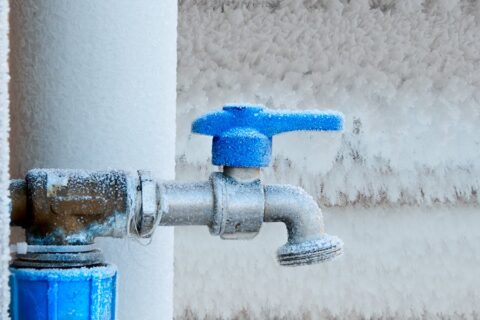
Protect exposed pipes, bypass valve zones and the brine tank with foam sleeves and pipe wrap rated for temperatures under -10 °C. The brine tank is vulnerable to freezing, so add an insulated cover or small thermostatically controlled heat mat if the unit sits in an unheated garage. Draft-proof cabinets or walls where lines come in. For added safeguards, drain and winterize external lines that supply outdoor faucets and irrigation. Test your insulation and check for cold spots after 24 hours of subzero weather.
Examples: Use 13 to 19 millimeter closed-cell foam wrap for household lines and a 30 watt heat tape with a thermostat for vulnerable valve areas.
Increase filter and softener checks during periods of high water usage
Under heavy use, check prefilters and postfilters and sediment traps every 2 to 4 weeks. Change cartridge filters when flow decreases or pressure drops by 20 to 25 percent. Check resin tank pressure and check for cloudy water or scale on fixtures as evidence of decreased performance. Check for salt bridges and channeling weekly in peak seasons, knocking down bridges and stirring the salt if 2 to 3 centimeters gaps develop. Keep a simple use log: record major events like parties or irrigation schedules to predict when to check equipment.
Examples: A family hosting a week-long event should perform a filter check at the start and midweek, and a manual regeneration after the event.
Develop a seasonal maintenance calendar tailored to local weather patterns
To ensure a clean and safe water supply, create a calendar that sets monthly and event-driven tasks for your water filtration system. This includes monthly salt checks in winter, biweekly checks in summer, and filter changes every three months or sooner. Additionally, schedule annual professional installation and maintenance in spring, tying checks to predictable local markers like the first freeze or peak summer irrigation. Adjust the frequency based on family size and the hardness of your water.
Conclusion
Hard water in Castle Rock demands consistent attention and informed decisions. Choose a softener suited to your water hardness, household size, and budget. Perform salt inspections and brine tank cleaning monthly. Test for hardness twice a year and the resin life every few years. Keep an eye out for slow drains, cloudy dishes, and increased soap usage. Those symptoms indicate it is time for repairs or part replacement. In winter, keep pipes warm and drain lines free. For larger projects, hire a local pro who knows Castle Rock water and code. Little, frequent actions reduce expenses and extend system life. It is easy to lock in a maintenance plan and book a local inspection. Give a Castle Rock service tech a call today.
Frequently Asked Questions
What is the typical hardness level in Castle Rock, and why does it matter for my softener?
Castle Rock water is generally moderate to very hard, which can lead to scale buildup on fixtures and appliances throughout the home. Testing local hardness in milligrams per liter or grains per US gallon is essential for properly sizing and maintaining your water filtration system.
How often should I add salt to my water softener in Castle Rock?
Salt check monthly is essential for maintaining your water softener system. Most homes refill salt every one to two months depending on family size and hardness minerals, ensuring effective regeneration and avoiding scale buildup.
What routine maintenance steps should I perform myself?
Inspect salt levels, break salt bridges, clean the brine tank once a year, and check for leaks. Testing water hardness post-service ensures your water softener operates efficiently, preventing costly repairs and maintaining quality drinking water.
When should I call a professional for service?
If regeneration doesn’t work, water remains hard, or you observe resin buildup in your plumbing, it’s time to call a pro. We provide professional installation and maintenance services for your water filtration system, ensuring accurate diagnosis and safe repairs by experienced certified techs.
How does seasonal care change for Castle Rock homes?
During colder months, water usage typically decreases, which can affect the regeneration frequency of your water filtration system. It’s important for Castle Rock homeowners to check for freeze danger to exposed units more frequently in winter.
What are common trouble indicators for my softener?
Scale buildup on fixtures, spotted glassware, salty water taste, and low pressure indicate issues with the water filtration system, requiring professional installation and maintenance to ensure quality drinking water.
Can I extend my softener’s lifespan, and how?
Yes. Use quality salt in your water softener, get annual service for your water filtration system, don’t run low on salt, and pre-filter for sediment to ensure clean and safe water.
Key Takeaways
Seal air leaks in the crawl space walls, around vents and access doors, and pipe penetrations to block cold drafts and reduce…

Key Takeaways
If you have pets, replace furnace filters even more often. Replace them every 60 to 90 days for one pet, every 30 to 60 days…