
Why Is My Heat Pump Running Constantly in Cold Weather?
Key Takeaways
-
Heat pumps typically run for a long time in cold weather and this can be normal, particularly for inverter or variable speed models that are designed to run all the time to optimize comfort.
-
Start by verifying airflow, replacing filters and clearing vents. Then investigate ducts and blower components. Restricted airflow frequently causes the system to run extended cycles.
-
Check your thermostat settings and calibration. Consider a programmable or smart thermostat to spare your heat pump from excessive run times due to frequent adjustment or incorrect settings.
-
Be on the lookout for refrigerant problems, weird noises, or ice on coils. These indicators are leaks or component failures that need professional repair to recover efficiency.
-
Make your home as efficient as possible with air sealing, insulation upgrades, and annual tune ups to help reduce your heat pump’s workload and cut energy costs.
-
Bring in the pros when persistent long run times coincide with climbing energy bills, safety concerns, or diagnostic indicators such as error codes or unusual odors.
Your heat pump runs constantly whenever it is unable to reach the set temperature or when components restrict its cycling. Other frequent culprits are low refrigerant, clogged filters, thermostat issues, undersized equipment or failing compressors and fans.
Non-stop operation increases energy consumption and wear in addition to decreasing comfort. Professional diagnosis frequently involves airflow checks, refrigerant tests and thermostat calibration.
The sections below detail each cause, what to look out for, and actionable ways to fix them.
Normal Operation
Heat pumps frequently operate for extended periods during colder months since they retain heat by transferring it, rather than producing it. Contemporary systems are designed to operate virtually non-stop through winter without harm. When outdoor temperatures trend to or below the system’s balance point, which is typically somewhere in the 4 to 10 °C range, the unit will run longer in order to match the thermostat setting.
Inverter and variable-speed models can run nearly continuously by design, modulating output to handle load and maintain indoor air warm but not hot.
Extreme Temperatures
Anticipate continuous operation in frigid weather as the heat pump draws limited heat from outdoor air. The colder it gets, the harder the compressor has to work, and runtimes stretch out accordingly. For instance, with outside temperatures going down below 4 °C, the unit can easily run almost constantly to maintain a 20–22 °C setpoint inside.
If the user turns up the thermostat a few degrees, it will have to work harder and run longer. Areas with extended severe winters often experience back-to-back runtimes and sporadic activation of electric backup heat when the pump can’t keep pace.
Monitor bills: continuous operation raises energy use, though a heat pump in a mild climate can still be up to 300% efficient by transferring more energy than it consumes. Big temperature swings put strain on your system by making it run longer and sometimes activating expensive auxiliary heat on certain systems.
Check airflow: restricted vents or dirty filters make the system run more than needed and cut efficiency.
Defrost Cycle
Frequent defrost cycles are to be expected in normal winter operation. Outdoor coils freeze in cold, wet weather. The heat pump briefly reverses or goes into defrost mode to thaw that ice.
During defrost, the heat pump can temporarily run what appears like cooling, and you’ll experience a momentary blast of cool air indoors. That is an anticipated indication the system is shielding itself. Normal defrost timing changes with the weather, but too many cycles or very long defrosts can indicate bad sensors, a stuck reversing valve, or control issues.
Monitor defrost frequency and compare to outside weather. Defrosts that are unusually frequent deserve servicing. Normal operation keeps the home comfortable and air warm, but not overheated. This is typically an indication that the system is operating properly.
Common Culprits
A heat pump that runs constantly can be the result of a number of different things. Here’s a quick list of common causes, followed by a troubleshooting guide and a deep dive into the top culprits to assist in identifying why a system won’t stop.
-
Dirty or blocked air filters and obstructed vents
-
Restricted or leaky ductwork
-
Thermostat misconfiguration or calibration faults
-
Low refrigerant charge or leaks
-
Incorrectly sized unit for the home’s load
-
Malfunctioning components: relays, sensors, blower motor, control board
-
It runs normally in Defrost mode or whenever outdoor temperatures are low.
-
Home setpoint too aggressive for season or occupant habits
Quick troubleshooting guide
-
Check indoor temperature vs. thermostat setpoint and mode.
-
Inspect filter, vents, and visible ducts for blockage.
-
Listen for unusual noises and note any error codes.
-
Check for frost or ice on the outdoor unit and the indoor coil.
-
Review outdoor temperature: below approximately 4 °C the system may run almost constantly.
-
Call a professional if you suspect refrigerant loss, leaks, or electrical issues.
1. Airflow Restriction
Dirty filters limit airflow and make the heat pump work harder to reach the setpoint. Change or clean your filters according to schedule. High-efficiency homes may require more frequent inspections. Blocked return or supply vents, courtesy of furniture, curtains, or rugs, cut system capacity and make rooms hotter and colder than they should be.
Duct leaks or crushed ducts reduce delivered air. Sealing and insulating ducts restore balance. Blower fan and coil buildup decreases heat transfer. Cleaning and lubrication at tune-up enhance flow and reduce run time.
2. Thermostat Errors
A thermostat on an inappropriate mode or with an extreme setpoint will keep the heat pump running. In winter, cranking the thermostat way up makes it run almost non-stop, particularly as outdoor temperatures drop. A miscalibrated machine indicates incorrect indoor temperatures and refuses to allow the system to shut off.
Steer clear of excessive manual tinkering; every change triggers extended cycles. Consider using a programmable or smart thermostat to stage setpoints and cut down on wasted runtime.
3. Refrigerant Leaks
Refrigerant loss manifests itself as diminished heat output, frozen coils or a subtle hissing sound around lines. Low charge causes the compressor to run to maintain flow and increases energy consumption. Proper charge is important to operation and economy.
Undercharge and overcharge both injure operation. Technicians have to detect and fix leaks, then evacuate and recharge to specification.
4. Incorrect Sizing
An undersized heat pump will run just to keep up, particularly when outdoor temperatures fall. Oversized units short cycle and still cannot keep temperatures even. Sizing is determined by square metres, insulation, window area and climate.
Get a load calculation to verify capacity. Refer to a legitimate contractor for proper sizing and replacement.
5. Component Failure
A faulty relay, sensor, capacitor, or motor can interrupt normal cycling. Weird sounds, frequent mistakes, or a unit that just doesn’t quit all indicate dying components. By replacing these worn components and incorporating these checks into preventive maintenance, normal cycles are restored.
System Inefficiency
System inefficiency is when a heat pump has to run longer or harder to meet the thermostat setpoint. This may be a result of bad maintenance, aged components, air flow restrictions or installation and refrigerant problems. A system that runs nearly continuously and still can’t achieve the temperature setting is frequently indicative of one or more of these underlying causes.
Unchecked, it increases energy consumption, reduces comfort, and diminishes equipment life. Variable-speed models are an exception in part. They run longer at low output by design, which can reduce energy use if the system is otherwise healthy.
Poor Maintenance
-
Seasonal checklist:
-
Change or clean filters every 1 to 3 months depending on usage.
-
Check evaporator and condenser coils for dirt, corrosion, and damage.
-
Unblock condensate lines and ensure the condensate pump is plugged in and operational.
-
Clean fan motors, belts, and outdoor unit clearances.
-
Check refrigerant charge and leaks.
-
Consistent maintenance keeps airflow limited and coils clogged, which are two common reasons for extended run times. Grimy or corroded evaporator coils decrease heat transfer and can even result in refrigerant leaks. Coils coated with gunk work like insulation and compel the compressor to overwork.
Limited airflow due to clogged filters or leaky ducts causes the system to strain and run longer. Record work in a maintenance log every season so minor issues, such as noisy bearings, sluggish fan start, or a somewhat clogged condensate pump, are discovered before they turn into major breakdowns that result in long cycles.
Energy Loss
-
Steps to prevent energy loss:
-
Insulate attics, walls and crawl spaces.
-
Seal windows, doors and duct joints with weatherstripping and caulk.
-
Balance and seal ducts to prevent conditioned air leakages.
-
Leverage schedules on programmable or smart thermostats to prevent extreme setpoints.
-
It can be a good early warning system: keep an eye out for cold spots and surging energy bills.
-
Insulation and air sealing reduce the load on the heat pump by keeping that conditioned air where it belongs – inside. Big indoor-outdoor temperature swings make the system work harder and can even trip electric backup heat on certain configurations, spiking costs dramatically.
Setting the thermostat too high in winter or low in summer will cause the equipment to run close to nonstop. Keep setpoints modest and use setback schedules to minimize runtime.
|
Metric |
Typical efficient runtime |
Inefficient runtime |
|---|---|---|
|
Daily hours |
4–8 |
10+ |
|
Energy use (kWh/day) |
10–25 |
30–60 |
|
Comfort stability |
Stable |
Large swings |
Weather’s Influence
Weather sculpts what a heat pump does. Outdoor temperature, wind, humidity and quick swings in conditions alter run time and efficiency. Below are targeted nuggets for what to expect and why your system may be running non-stop when the weather turns cold.
Cold Climates
Anticipate residential heat pumps to operate for extended periods in frigid environments to accommodate winter heating requirements. When outdoor air falls below approximately 30 °F (−1 °C), a heat pump frequently operates non-stop because the home’s rate of heat loss equals the unit’s heat output.
An air-source heat pump still extracts heat from outdoor air at these temperatures, so continuous operation may be typical, not a defect. Maybe, upgrade to cold-climate models with higher heating capacity percentages. Newer cold-climate units hold more output at lower temperatures and might feature optimized compressors or refrigerants.
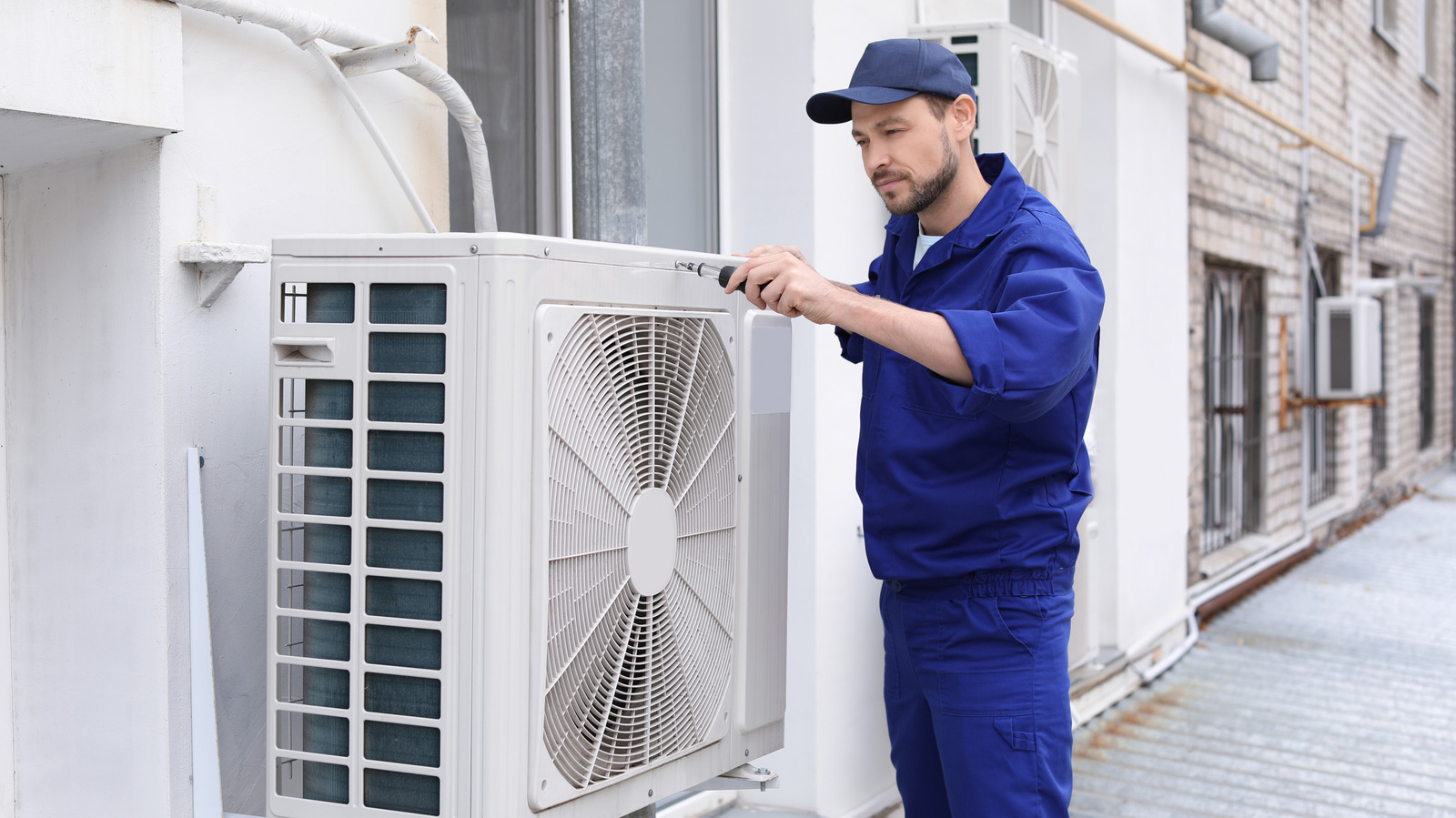
For example, a unit rated to retain 80% of its capacity at −15 °C will short-cycle less than a standard model. Step 3: Auxiliary heat sources such as electric or backup furnaces are necessary in brutal cold. Auxiliary heat ought to come on only when the heat pump can’t keep up, and proper staging prevents it from blasting the overload and compromising indoor set points.
Track system performance during the coldest days to deliver dependable service. Monitor runtime, indoor temperature, and if supplemental heat cycles on. This information assists a technician in optimizing controls or suggesting a bigger unit.
Mild Climates
Heat pumps in mild climates will cycle less often and have shorter run times. When outdoor temperatures hover in the ‘sweet spot’ of around 5 to 15 degrees Celsius, the heat pump is near its peak efficiency and satisfies home demand with relatively short run times.
Enjoy warm, efficient heating during spring and fall with little energy consumption. In these shoulder seasons, the unit frequently runs longer per cycle but consumes less energy overall since heat transfer is simpler when the gap in temperature between indoor and outdoor is small.
Set your thermostat for mild weather and don’t run when you don’t need to. Reducing the setpoint a few degrees on cool nights can reduce run time with minimal comfort loss. Enjoy lower power bills and less HVAC equipment wear in milder climates.
Persistent running in mild weather is almost always a concern; in cold weather, it can be the system working as designed. If you set your thermostat a little too high in winter, your heat pump will run all the time to keep up, so experts recommend 68 °F (20 °C) at home for a balance between comfort and efficiency.
Today’s advanced heat pumps can provide up to two and a half times the heat out per energy used relative to resistance heat, even on freezing nights.
Beyond The Basics
Heat pumps that run continuously frequently indicate building and systems interactions rather than one broken component. Here are not-so-obvious causes and solutions that impact run times. These indicate airflow, heat loss, system design, and control logic, which all factor in how long a heat pump has to run to maintain comfort in a space.
Ductwork Problems
Look over duct runs for loose joints, disconnected segments and crushed areas that restrict airflow. Duct leaks can waft conditioned air into crawlspaces or attics, pushing the heat pump to work harder and longer to compensate.
Seal leaks with mastic or UL-rated metal tape and re-join any disjointed sections to reinstate delivery. Insulate ducts in unconditioned spaces to prevent thermal loss, which reduces delivered air temperature and extends cycles.
Install balance dampers or add adjustable registers to even airflow between rooms. Bad balance causes hot zones and cold zones. Occupants respond by raising thermostat setpoints, which increases run time.
A service technician can take airflow measurements and modify static pressure to optimize distribution. Blockages from debris or collapsed liners decrease capacity. Arrange for professional duct cleaning if dust buildup or mold is present.
Pristine ducts optimize airflow and reduce strain on your system during high demand.
Insulation’s Role
Insulate beyond the basics to minimize heat loss and lower the heat pump’s load. Attic and roof insulation typically provides the biggest wins because warm air rises and easily leaks out through inadequately insulated ceilings.
Cross-check those R-values against your regional recommendations. The lower the R-value, the greater the heat loss and the longer your run times. Take simple steps. Touch colder exterior-facing walls or use an infrared camera to identify cold spots and leaks.
Go for attic, wall cavities, and underfloors. Small amounts of additional insulation in these locations regularly result in disproportionately large drops in sustained run time, and they complement air sealing around windows and penetrations.
A drafty home will make any heat pump run near continuously. Sealing gaps is an inexpensive means to cut that requirement.
Balance Point
|
Outdoor Temp (°C) |
Outdoor Temp (°F) |
Typical System Behavior |
|---|---|---|
|
-7 to -1 |
20 to 30 |
Heat pump meets heat load; auxiliary heat rarely needed |
|
-12 to -7 |
10 to 20 |
Capacity begins to fall; run times increase |
|
below -12 |
below 10 |
Auxiliary heat often required; continuous operation possible |
Observe outdoor temperature trends as they approach the balance point and pay attention to longer cycles. Tweak your thermostat setbacks and aux heat thresholds so you don’t waste electric heat.
Take the balance point as your guide for when to let in supplemental heat or change setpoints. Heat pump still gives you up to 3.5 times more heat per unit of electricity than coils.
You lose efficiency with cold weather and a unit sized primarily for cooling may have difficulty heating efficiently. Routine servicing, including filters, thermostat calibration, and refrigerant checks, keeps systems running closer to design specifications.
Professional Help
Homeowners who observe a heat pump running long stretches in the winter may fear there’s a problem. Knowing when to call a professional stops wasted energy, pain, and disaster. A professional technician can service the system, identify silent defects, and suggest repairs or tuning to bring back comfort and efficiency.
Diagnostic Signs
-
Higher-than-normal energy bills compared to last year.
-
Indoor rooms that never reach temperature or feel uneven.
-
The outdoor unit operates non-stop when the thermostat maintains the temperature.
-
Frequent short cycling combined with long run periods.
-
Frost or heavy ice on the outdoor coil between defrost cycles.
-
Unusual or loud noises from your compressor or fan motor.
-
Visible refrigerant leaks, oil stains, or low refrigerant charge.
-
Thermostat sticks or doesn’t call the correct mode.
Monitor changes to your energy bills and indoor comfort on a weekly or monthly basis to identify trends. Maintain utility data and notes on room temperatures, comparing this season to previous ones. Create a simple checklist to monitor bill spikes, uneven rooms, constant outdoor fan, frost buildup, odd sounds, and control faults.
Use that checklist to decide when to schedule service. Persistent issues, two or more checklist items present, or any sign of refrigerant leak warrant prompt attention.
Safety Concerns
Burning smells, sparks, or tripped breakers connected to the heat pump or water collecting by electrical components require urgent attention. Shut off power at the breaker if you suspect electrical failure or fire risk. If you smell burning, get out and call a technician and your local emergency number if appropriate.
Maintain the space surrounding the unit free of leaves, stored goods, and snow so repairmen can remove panels without hazards and so that air can flow unrestricted. Educate family members on where the breaker and thermostat switches are and how to shut down the system during an emergency.
Be explicit in your service access instructions when you phone a pro or complete an online service form. List symptoms, how long they’ve been there, and whether anything changed on the home’s envelope or controls recently.
Select a reputable HVAC company with heat pump expertise. Ask for a full inspection, which includes electrical checks, refrigerant level, blower function, and a system performance test.
Our technicians can determine if your system is frozen in one mode, has a failed defrost control, or requires component replacement. They can then suggest the appropriate repair to maintain your home’s warmth and efficiency throughout the winter season.
Conclusion
A heat pump that runs all the time usually indicates an obvious culprit. Low refrigerant, a dirty filter, wrong thermostat settings, poor insulation, or a unit that’s too small for the space each manifest in distinct, obvious ways. Immediate solutions range from replacing filters to sealing drafts to checking thermostat modes. Mid-level solutions are things like cleaning coils and tightening electrical components. For those or significant part breakdown, ring a qualified technician. During cold snaps, anticipate extended cycles but be alert for ice or odd noises. Track run times, note temperatures, and log errors prior to calling. If you want, book a tune-up or share your notes with a pro to accelerate diagnosis.
Frequently Asked Questions
Why does my heat pump run all the time but my home still feels cold?
Constant run heat pump usually means it can’t keep up with the load. Reasons could be low refrigerant, dirty coils, clogged filter or an undersized unit. Airflow, refrigerant levels and system sizing have a technician check these for a quick diagnosis.
Can a thermostat cause my heat pump to run nonstop?
Yes. A miscalibrated thermostat, improper settings like fan on, or bad location can cause lengthy run times. Check the settings, replace the batteries, and make sure your thermostat isn’t near any drafts or in direct sunlight.
Is low refrigerant a common reason for constant running?
Yes. Low refrigerant impedes heat transfer, so the system runs a lot longer to get to temperature. It leaks. Have a certified technician come test, repair leaks, and recharge the refrigerant.
Could blocked airflow make my heat pump run too long?
Of course. Dirty filters, blocked vents or obstructed outdoor units diminish airflow and efficiency. Replace filters, clear vents and maintain 0.5 to 1 meter clearance around the outdoor unit to return its performance.
Does cold weather make heat pumps run continuously?
Heat pumps operate for extended periods or engage heat strips in cold weather. This can be perfectly normal. If run time seems too long, then first check for any system inefficiencies or look at whether you need a unit sized for colder conditions.
Will routine maintenance stop my heat pump from running nonstop?
Routine maintenance increases efficiency and typically decreases run time. Annual inspections, coil cleaning, filter changes, and refrigerant checks keep common problems at bay and make your system last longer.
When should I call a professional about constant run time?
Call a licensed HVAC technician if you experience poor heating, strange noises, higher energy bills, ice formation, or frequent cycling problems. Professional attention early avoids damage and energy waste.
Key Takeaways
Know your parts! Identify the fill valve, flush valve, overflow tube, and refill tube before you get started so you can match…
Key Takeaways
White residue on faucets is primarily caused by mineral deposits from hard water and develops more quickly where water…