
How to Reduce Dust From Your HVAC System | Filters | Duct Cleaning | Humidity
Key Takeaways
-
Change or check HVAC filters every 1 to 3 months and select the proper MERV rating for your system to trap micro-particles and keep dust from circulating.
-
Have your ducts professionally cleaned every few years and regularly clean vents, registers, and around your HVAC unit.
-
Maintain indoor humidity between 30 and 50 percent and use exhaust fans to minimize dust mite proliferation and airborne dust. Track with a hygrometer and tweak seasonally.
-
Be strategic in your use of the fan setting. Keep it on auto to prevent continuous air circulation that wafts dust about. Run the fan when you clean to trap particles.
-
Seal ducts and building gaps, move furniture away from vents, and size and design HVAC systems and ductwork for balanced airflow to prevent dust hotspots.
-
Mix in radiant-Vent cleaning with a HEPA vacuum, portable HEPA purifiers in high-use rooms, and source-control habits like doormats and clutter limits.
How To Reduce Dust In House HVAC is a collection of habits that decrease your home’s dust level and increase air circulation.
Best practices are installing MERV 8 to 13 filters and changing them every 1 to 3 months, sealing duct leaks, and cleaning vents and blower components.
Frequent vacuuming with HEPA-equipped machines and maintaining humidity around 40 to 50 percent reduce dust accumulation.
The feature article details each step, required tools, and easy maintenance habits.
HVAC Dust Control
The central HVAC system prevents dust by blowing air through filters that trap particulates. Efficient control involves both regular maintenance and strategic measures that restrict dust sources and optimize air circulation.
1. Air Filters
Pick a filter with the appropriate MERV rating for your system. Aim for MERV 8 to 13 in most homes. A rating under 4 won’t catch much dust, while a rating over 13 may clog your fan and increase energy consumption.
Check filters monthly and replace them when they appear dirty or according to the manufacturer’s schedule. For most homes, that means replacing filters every 1 to 2 months, although 1 to 3 months is fine for systems with less use.
Consider HEPA or high-quality electrostatic filters for homes with pets or allergies. HEPA captures very fine particles, but it frequently requires a special HVAC blower or a stand-alone purifier. Set an easy calendar or phone reminder for filter swaps so that swaps happen all year round.
2. System Cleaning
Get professional duct cleaning done every few years, particularly following remodels or in older homes where dust and insulation particles lurk. Duct leaks can let in dust.
Conditioned air losses of up to around 30 percent are possible with poor sealing. Have a pro test and seal ducts when necessary. Vacuum, preferably with a HEPA filter, or wipe clean supply and return vents yourself to remove surface dust and prevent it from being blown back into circulation.
Wipe off the immediate vicinity of the furnace and outdoor AC unit so that loose dirt does not get sucked into the system when it turns on.
3. Humidity Levels
Maintaining indoor relative humidity between 35% and 50% will restrict dust-mite populations and limit airborne dust, so use a hygrometer to check. In humid climates, a dehumidifier aids; in dry climates, a humidifier diminishes static and dust suspension.
If your ducts aren’t sealed properly, dust can be pulled back into the system and distributed all over the house. Seasonal humidification adjustments maintain stability and assist the HVAC filters to be more effective.
4. Fan Settings
Don’t allow your fan to run constantly. The ‘on’ setting circulates air and redistributes particles. Turn the fan to ‘on’ for a few minutes during or immediately after cleaning to flush more air through the filter, then switch back to ‘auto’.
Don’t run your fan 24/7 unless you have a HE whole house filter that’s rated for continuous run.
5. Airflow Balance
Ensure all vents are open, with no blocked or closed registers. Registers that are shut to divert air elsewhere unbalance the system and allow dust to collect in dead-air spots.
Put furniture and rugs away from supplies and returns, test airflow at each vent and adjust dampers as necessary. Deal with hot or cold spots, as they are frequently indicative of bad airflow and can correlate with elevated dust in those areas.
|
Task |
Frequency |
Importance |
|---|---|---|
|
Change air filters |
1–3 months (1–2 ideal) |
High |
|
Vacuum vents/registers |
Monthly |
Medium |
|
Professional duct inspection/seal |
Every 2–5 years |
High |
|
Duct cleaning |
Every few years or after renovation |
Medium |
|
Check humidity levels |
Weekly monitoring |
Medium |
System Upgrades
System upgrades decrease dust through enhanced filtration, duct sealing, and more efficient ventilation. System-wide upgrades to components and controls address the source of airborne particles and the channels in which they flow. Select changes that fit home size, occupancy, and particular dust sources to prevent airflow issues or wasted cost.
Advanced Filtration
Fit woven HEPA or true HEPA where compatible to extract very small particulates and allergens. These trap particles down to 0.3 micrometres and significantly reduce airborne dust levels in homes. Electrostatic filters utilize charge to catch dust and typically cleanable designs reduce both waste and recurring expense.
Efficiency differs by product. Check the current filter’s MERV rating. MERV 8 handles common household dust and pollen. MERV 11–13 captures finer particles like pet dander, mold spores, and fine dust. Moving around to a higher MERV can polish the indoor air quality, but may limit airflow if your fan and coil aren’t sized for the added resistance.
Passive furnace filters add a final-stage capture with no active pressure drop. They’re most effective as a supplement, not a standalone solution.
Pros and cons of filter types:
-
True HEPA: very high capture; might require a separate unit or duct bypass to prevent air loss.
-
Electrostatic: washable, lower waste; variable efficiency over time.
-
MERV 11–13 pleated filters provide a good balance of capture and cost and may stress older systems.
-
MERV 8 pleated has low resistance and captures larger dust and pollen but not fine particulates.
-
Passive furnace filters have minimal airflow impact and have limited capture of fine particles.
Ductwork Materials
Smooth metal ducts defy dust accumulation as surfaces are less sticky than fiberglass or flex. Flexible ducts and fiberglass-lined runs are dust traps and fiber-shedders. Replace these with rigid metal wherever possible.
Seal ducts to prevent condensation that draws dust and sticks it on inner surfaces. Condensation spots become magnets for dust and germs. Tear out the rotten bits to prevent leaks. Air duct sealing decreases dust circulation by 30 to 40 percent in most homes and reduces energy consumption.
Plan for inspections and cleaning. Routine maintenance and cleaning campaigns increase system lifespan and leave indoor air two to five times less polluted than unconditioned systems.
Smart Controls
Smart thermostats automate fan cycles and can run intermittent circulation to ensure that dust is being kept in motion towards filters instead of settling. Occupancy and event—cooking or cleaning—tie program schedules, so filtration operates when particle loads increase.
Smart sensors detect PM2.5 or VOCs and activate higher filtration or more ventilation if threshold levels are reached. Pair with controls for purifiers, ionizers or whole-home cleaners for coordinated responses.
Ionizers can cause dust to clump, simplifying its capture, but may necessitate after-treatment filtration to capture deposits.
Common Mistakes
A lot of homeowners think dust in the HVAC system is unavoidable. Simple mistakes make it worse. Here are common dust-accumulation blunders. Each detail describes what fails, why it’s important, where it happens and how to correct it with actionable advice and illustrations.
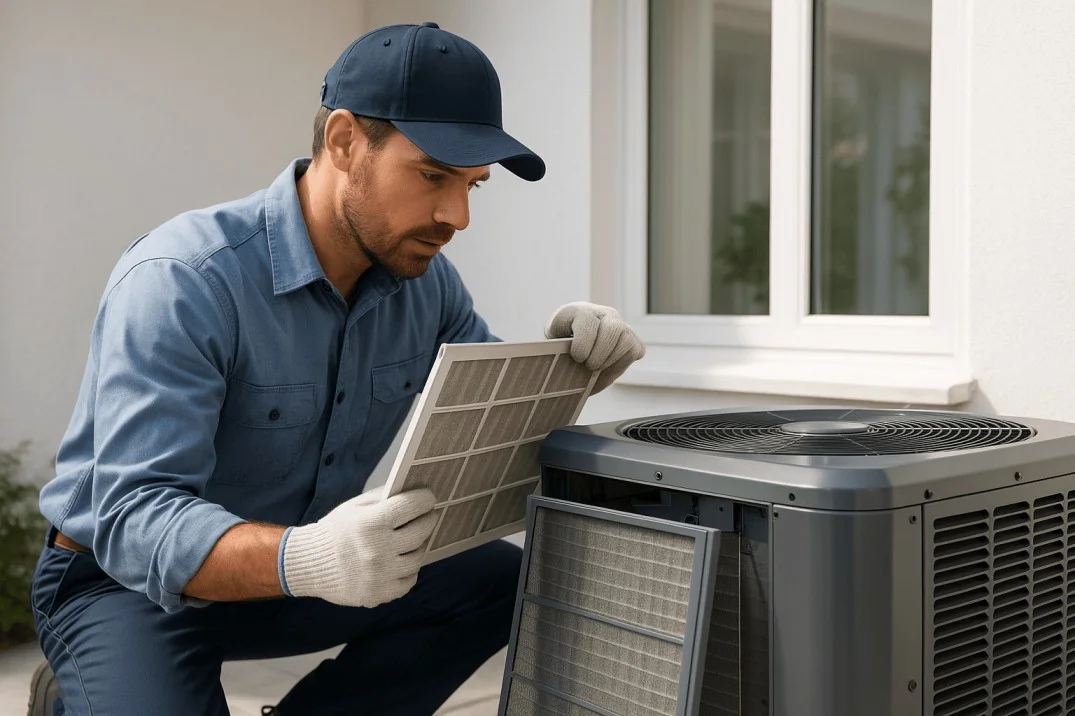
Avoid using low-quality or incorrect-size air filters that allow dust to bypass the filter.
Cheap or wrong-size filters don’t snare as many fine particles. A loose-fitting filter leaves gaps around the frame so dust bypasses the media and enters the blower and ducts. Less-efficient filters might catch lint and hair but allow fine dust and allergens to pass through.
Swap disposable filters for appropriately sized, higher MERV-rated alternatives tailored to your system, with MERV ratings between 8 and 13 for most homes. Take the filter slot measurement with you when shopping and make sure the airflow arrow aligns with the system’s direction.
A gap of 1 cm on one side can let dust ride the airstream into ducts and add weeks of buildup in the elbows.
Don’t neglect regular HVAC maintenance, which leads to clogged filters and dirty ductwork.
Neglecting monthly inspections reduces the life of your filter and allows dust to gather on your coils, blowers, and registers. A clogged filter restricts airflow, causing your system to run longer and less efficiently.
Not changing filters every month or two can slash efficiency and boost energy consumption. Dirt on the evaporator coil reduces heat transfer and can cause moisture that traps dust into goopy layers.
NIKO’S NOTE: Plan seasonal tune-ups and change filters monthly or according to manufacturer recommendations. A simple routine is to inspect filters every 30 days, clean accessible blower parts annually, and have a pro inspect coils and refrigerant.
Refrain from blocking air vents with furniture, rugs, or curtains, as this disrupts airflow and increases dust.
Blocked vents cause the unit to push air out through a smaller number, raising the speed and whipping up previously settled dust in other rooms and in the ducts. In closed rooms, still air lets dust gather on the floor and furniture and then blow or suck back into the system when it restarts.
Keep vents free by 10 to 15 centimeters and don’t cover return grilles. For example, a sofa pressed against a return vent in a living room will cut return flow and raise dust circulation through alternate, often dirtier, returns.
Don’t overlook attic or crawl space insulation, which can be a hidden source of dust if not properly sealed.
Worn out or torn insulation flings fibers into attic air that infiltrate ducts through gaps. Leaky ductwork in attics can lose as much as 30 percent of airflow and can also suck dusty attic air into the system.
Seal duct joints with mastic or metal tape and provide adequate insulation barriers. Check crawl space and attic access for gaps and seal penetrations with weatherstrip or spray foam.
Arrange expert duct cleaning when lurking dust is suspected.
Holistic Air Quality
Good indoor air requires layered actions: source control, filtration, ventilation, and daily habits. Pair HVAC dust control with regular cleaning, focused purifiers, less chemical use, and household habits that minimize dust creation to combat particulates and allergens.
Source Control
Locate and eliminate primary dust reservoirs such as loose carpets, heavy drapes, and pet bedding. Changes such as replacing high-pile rugs with low-pile or hard floors and selecting washable slipcovers for sofas will make cleaning easier.
Lay down tough doormats outside and inside every entrance and insist that everyone in the house wipes or removes shoes. This easy action slashes tracked-in dirt and pollen significantly.
Seal gaps around doors, windows and attic hatches to prevent outdoor dust and pollen from tracking indoors. Check upholstery seams and under-bed storage. Clutter and additional fabric hold dust and subsequently dump it into the air when agitated.
Minimize unnecessary textiles. Use fewer throw pillows and fewer fabric-covered tchotchkes. Keep seasonal items in sealed bins to reduce textile fibers in the air.
Room Purification
Utilize portable HEPA air purifiers in the bedrooms and main living spaces to trap particles as small as 0.3 microns and deodorize PM2.5, which is related to health hazards.
Turn on purifiers 24/7 or use extra power during deep cleans, cooking, or construction. Position units near probable dust producers, such as pet beds, work benches, or busy corridors, to optimize air turnover where it counts.
Change filters according to manufacturer guidance. A clogged pre-filter or HEPA pack is no longer effective and can re-release captured dust.
For bigger houses, complement a whole-home HVAC filter upgrade with room purifiers in trouble areas to strike a balance between wide-scale filtration and localized capture. Portable units supplement HVAC by capturing both particulate matter and some allergens that slip through system filters.
Sealing Leaks
Check for ductwork in attics, basements, and crawl spaces and seal leaks with HVAC mastic or UL-rated metal foil tape. Never use cloth-backed tapes that fall apart within a few years.
Inspect areas around furnace connections, return grilles, and junctions for holes and repair immediately to keep unfiltered air out of the system. Seal gaps around windows, doors, and attic access to lessen infiltration of outdoor dust and pollen, and add weatherstripping as necessary.
Create a simple checklist to guide inspections: exterior vents, dryer vents, attic hatch, window frames, door bottoms, duct joints, and return-air grills. For each, record exposed cracks, seal kind required, and repair priority.
Vent musty spaces by opening windows and running fans. Use a dehumidifier in damp areas to cut down on mold spores and dust mite growth.
Design and Efficiency
Design and Efficiency discusses how layout, sizing, ventilation, and equipment decisions impact dust control and overall HVAC effectiveness. Smart design minimizes particle load, avoids energy waste, and facilitates regular cleaning.
System Sizing
Proper sizing augments unit capacity with home square footage and insulation. Systems that are oversized turn on and off so quickly they don’t run long enough for filters to capture fine dust. This can leave those particles hanging and increase cleaning requirements.
Undersized systems run almost continuously, kicking up dust and causing more wear. They may not maintain the designed airflow required for proper filtration. Room-by-room heat-load calculations factor in insulation R-values and window area to select capacity.
Check manufacturer airflow specs and aim for consistent runs at designed cubic meters per hour to balance dust capture and energy use. Correct sizing prevents the approximately 15 percent energy increase observed when filters clog and systems strain.
Duct Layout
Duct routing should be as straight as possible with few bends or changes in diameter. Every elbow and hard turn increases friction, forms stagnant low-speed eddies where dust bunnies accumulate, and complicates cleaning.
Keep runs short, avoiding routing through unsealed attics or crawl spaces that can add loads of dust. Ducts can leak up to 30% of airflow if not sealed, drawing in all kinds of gunk.
Locate return ducts to pull air from occupied rooms rather than hallways and use smooth-sheet metal or lined ducts with removable access panels. Label and map the system, enabling techs to locate sections for cleaning.
Routine duct cleaning combined with sealing can reduce household dust and boost efficiency by 5% to 15%.
Vent Placement
Place supply and return vents for efficient circulation and focused dust extraction. Try not to put returns near entryways, kitchens, or garages where coarse dust and particulates enter.
Install returns low in rooms where heavy particles settle, or combine ceiling supplies with low returns to push dust toward filters. Space vents equally to prevent any one area from becoming a dead dust pocket.
Set supply diffusers to create gentle crossflow, not strong jets that stir settled dust. Adjustable grille angles assist in sending dust-laden air toward returns during high-dust work.
Keep indoor humidity between 30 and 50 percent to minimize dust mites and settle fine particles. Employ MERV 8 to 13 filters where system and fan capacity allow, balancing filtration with airflow such that efficiency and longevity increase.
Regular cleaning and easy access to filters and ducts make all these choices matter.
DIY Interventions
Well-directed, weekly home interventions reduce the dust that circulates throughout your HVAC. These actions emphasize source control, light cleaning, and periodic inspections you can perform without a professional. Take these steps in order and scale frequency for your family size, pets, and activity level.
Vacuum and dust often, especially around vents and returns. Vacuum once or twice a week with a HEPA-filtered vacuum, which sucks up microscopic particles that regular vacuums leave behind. Work from high to low: dust ceiling fans and shelves, then vacuum furniture and floors, finishing with areas around supply vents and return grilles where dust collects and is drawn into the system.
With carpets, vacuum deep but understand they trap dust, so while consistent vacuuming is your friend, hardwood floors and area rugs that can be ripped to the washing machine frequently reduce long-term buildup.
Wash or replace vent covers and registers. DIY interventions at least twice a year, take off metal or plastic registers and wash them with warm soapy water, dry thoroughly and replace. For paint-finish covers, swipe with a damp microfiber cloth more frequently.
Test return grilles behind the couch and other furniture, shift furniture briefly, and clean the wall and grille frame. This cuts down on dust that the HVAC vacuums into its ductwork and filter.
Wipe vent covers with dryer sheets for extra dust repellency. Give your surfaces a quick rub down with a dryer sheet immediately after wiping and you’ll leave a fine, anti-static coating that will help repel dust for weeks. Just test a small area to make sure it doesn’t leave a residue on paint.
Dryer sheets are a cheap way to reduce dust settling on exposed grills in between thorough cleanings.
Create a checklist with a description of monthly DIY dust control tasks. Monthly: check the HVAC air filter and change or clean it if dusty. A good rule is to check the air filter monthly and replace it every 1 to 2 months depending on use.
Use a filter with the right MERV rating — no lower than MERV 4, which misses a lot of particles, and no higher than MERV 13 for run-of-the-mill systems since it strains the fan and increases energy consumption.
Quarterly: wash bedding—sheets and pillowcases weekly, larger items like blankets, duvets, and pillows every three to four weeks—to cut skin flake and fiber dust.
Seasonal: inspect ducts and schedule a professional duct cleaning only if you see heavy visible buildup. Try to keep your indoor relative humidity between 35 and 50 percent to minimize airborne dust.
Conclusion
Slash dust quick with constant, little action. Change filters every 1 to 3 months and select MERV 8 to 13 filters that fit your system. Dust vents and returns with a brush and vacuum on a schedule. Seal gaps around duct joints with mastic or metal tape. Install a premium whole-house filter or HEPA room unit for high-traffic areas. Equalize airflow by checking fan speed and duct configuration. Dodge typical pitfalls such as overfiltering or lengthy filter intervals. Use simple habits too: wash bedding weekly, keep shoes off carpeted areas, and run exhaust fans during cooking. Every step slashes dust and helps your system hum leaner. Test one switch this week and monitor dust for a month.
Frequently Asked Questions
How often should I change my HVAC filter to reduce dust?
Change disposable filters once every one to three months. High-efficiency or allergy-rated filters might require replacement every three months. Check every month if you have pets, smokers, or construction dust. Frequent changes maintain airflow and capture more particles.
What filter MERV rating is best for dust control?
Use a MERV 8 to 13 filter in normal homes. MERV 8 takes out the bigger dust. MERV 11 to 13 pulls in even finer particles. Filter out the myths about air filters. How to reduce dust in house HVAC. They can limit airflow if your HVAC isn’t built for them.
Will a whole-house air purifier help reduce dust?
Yes. Whole-house purifiers or in-duct HEPA/UV systems cut dust and allergens throughout the home. They work with your HVAC to sanitize air twenty-four hours a day, seven days a week. They are installed by professionals to guarantee compatibility and optimum performance.
Can regular duct cleaning reduce dust in my home?
Duct cleaning is beneficial if ducts are demonstrably dusty, moldy or contaminated. It’s not always necessary. Pair with filter upgrades and sealing for best results. Employ a good certified technician.
What DIY steps reduce dust between professional services?
Vacuum with a HEPA vacuum, dust with a damp rag, caulk gaps around doors and windows, and keep vents open. Wash or vacuum upholstery and bedding frequently. These steps reduce dust burden before air impinges on the HVAC.
Will running the HVAC fan continuously reduce household dust?
Circulating filtered air by running the fan on “ON” can reduce dust. It may raise energy consumption marginally. Use a programmable thermostat or have the fan run during peak occupancy hours for a compromise.
How do humidity levels affect dust in my home?
Low humidity causes dust to become more airborne. Strive for indoor humidity levels of 40-50% to keep dust from flying around. Utilize a humidifier or dehumidifier as necessary and keep tabs on the levels with a hygrometer.

Key Takeaways
Unstable soil, bad compaction, water runoff, plants, and decaying materials are common causes of a sinking or leaning outdoor…
Key Takeaways
Douglas County requires annual backflow preventer testing on most sprinkler systems and documentation to keep from being fined…