
How to Improve Basement Humidity Control: Causes, Solutions, and When to Call a Pro
Key Takeaways
-
When it comes to basement humidity control, put an end to the cycle by eliminating all sources of moisture: condensation, water penetration, or vapor movement.
-
Foremost, forget about basement dehumidifiers and all that jazz. Instead, focus on exterior drainage, interior sealing, and better air management.
-
In addition to prevention and regular care, use the right mechanical systems sized for your basement, including dehumidifiers with humidistats and HVAC integration. Schedule regular maintenance to keep them running reliably year-round.
-
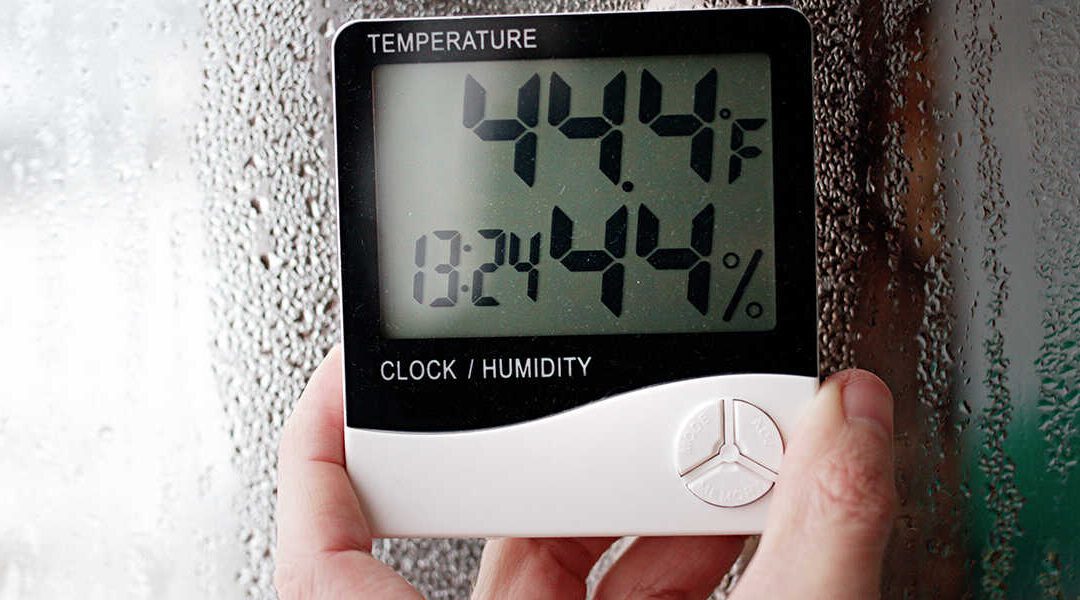
Track humidity levels with several digital hygrometers and smart sensors around the basement. Set alerts for high readings and track trends to detect problems early. Adjust controls automatically.
-
Going next-level with basement humidity control means installing continuous vapor barriers, insulating walls and pipes, and smart HVAC zoning to minimize condensation and vapor transmission over time.
-
Implement a seasonal maintenance plan and routine inspections, and call the pros for persistent or structural moisture problems to future-proof basement health and usability.
How to improve basement humidity control involves reducing damp air and maintaining 30-50% relative humidity.
Smart tips include sealing cracks, increasing ventilation, installing the right size dehumidifier, and redirecting exterior drainage away from your foundation.
Consistent measurement with a hygrometer and upkeep of HVAC and sump pumps help maintain consistent results.
The coverage below details smarter options, proper equipment sizing, and inexpensive hacks for typical basement conditions.
Uncovering Moisture Sources
Basements accumulate moisture from a variety of sources. Discovering sources of moisture is the initial move to consistent humidity management. Below are typical entry points, indicators to search for, and realistic tests to perform prior to deciding on solutions.
-
Rainwater entering through cracks in walls or floors leads to wet spots, peeling paint, or efflorescence.
-
Hydrostatic pressure drives water through foundation joints, causing repeating dampness after heavy rain.
-
Bad outside drainage or clogged gutters lead to pooling soil near the foundation and a wet perimeter.
-
Condensation on chills, masonry and pipe work, water beads, and rust on fittings.
-
Indoor activities like laundry, showers, and damp clothes can lead to humidity bursts and moldy smells.
-
Vapor migration from cinder block or slab leads to constant high relative humidity.
-
Hidden moisture sources include leaks behind the walls, under floors, corrosion, and condensation.
-
Leaky appliances such as water heaters and washers or plumbing can cause localized damp stains and soft flooring.
Condensation
Condensation occurs when warm, moist air comes in contact with cool basement surfaces. Keep an eye out for water beads on walls, floors, and particularly metal pipes on warm, humid days or immediately after indoor activities.
Condensation may appear as patches of moisture on concrete or black rings on painted walls. In order to de-condensate, increase ventilation and decrease indoor humidity below 60% RH, preferably 30 to 50%.
Deploy fans, operate a properly sized room dehumidifier, and install a humidistat or hygrometer to monitor. Identify moisture sources. Cover cold surfaces. Wrap pipes, insulate exterior walls, or look for interior thermal barriers on masonry. Insulation narrows the temperature differential and prevents surface cooling that leads to moisture.
Penetration
Called to find water coming from outside. Source: Identifying Moisture Intruders. Seek out water stains, blistering paint and soil that remains soggy near the foundation.
Rain and groundwater will use any crack or crevice to gain entry, and inadequate gutters and clogged downspouts only worsen the situation. Be sure gutters and downspouts direct water at least 5 to 10 feet away from the foundation and maintain them.
Seal small cracks with hydraulic cement or epoxy. Larger failures might require professional repair. Outside drains or French drains direct surface and subsurface water appropriately, but are expensive installations. Consider the cost-benefit of long-term protection versus up-front expense.
Vapors
Vapor migrates through porous concrete and block walls, increasing indoor humidity even when no liquid water is present. Look for persistent high readings on a hygrometer and musty smells.
Vapor barriers on walls and beneath slabs minimize moisture transfer from the soil. Pair barriers with a dehumidifier to fight airborne moisture and a humidistat to monitor RH.
Changes in outdoor humidity during seasonal swings will alter your basement’s RH, so make sure to adjust your dehumidifier settings throughout the year. Check appliances regularly and insulate or service them to prevent introducing moisture.
Your Humidity Control Plan
A defined plan attacks water intrusion from outside as well as points inside and then prioritizes repairs by severity and location. Start by identifying where moisture shows up, monitor relative humidity with hygrometers strategically spread throughout the basement, and recognize trends over days and weeks to accommodate seasonal changes and local weather.
Target a relative humidity of 30% to 50% to minimize mold and stay comfortable with different strategies if you are very humid or dry.
1. Exterior Solutions
Make sure you grade soil away from your foundation so water flows downhill, not toward basement walls. Slope a minimum of 2% (approximately 2 cm per metre) for the first metre around the building.
Have you installed or upgraded your gutters and downspouts? Extend downspouts at least 1.8 metres away from the foundation. Use rigid extensions or buried drain lines where surface runoff isn’t possible.
Check gutters after storms and clear debris to keep systems flowing. A clogged downspout can divert dozens of litres against a wall during a heavy rain, while a smooth, extended downspout stops that risk.
2. Interior Sealing
Seal exposed cracks and joints with suitable caulk or hydraulic cement to prevent seepage in low pressure. Waterproof interior wall coatings, such as cementitious or elastomeric products, are a good choice.
Remember that coatings slow water, not groundwater pressure, so pair them with exterior solutions. Think about an inside drain or sump system if water pools.
These systems gather and transport water to a pump before it hits living spaces. Inspect and reseal basement windows and doors to limit humid air infiltration and draft moisture.
3. Air Management
Boost ventilation, bringing in dryer air from outside by installing exhaust fans or opening windows on days when the outside air is dry. Use smart ventilation: run fans on timers or with humidity controls so fresh air doesn’t bring moisture when outdoor relative humidity is high.
Don’t hang-dry clothes inside or run unvented gas appliances in the basement. Both introduce liters of water vapor every day.
Circulation fans or redirected HVAC ductwork will help circulate air and eliminate stagnant pockets that foster humidity and mold.
4. Mechanical Systems
Select a basement-sized dehumidifier with the right capacity for your basement’s humidity load. Manufacturers give capacity in litres per day and suggest square-metre ranges.
Select a unit with an embedded humidistat to maintain relative humidity in the 30% to 50% range automatically. Tie dehumidifiers into HVAC whenever possible for year-round control and energy savings.
Perform routine maintenance: clean filters, drain lines, and coils to keep systems running.
5. Smart Monitoring
To achieve this, position digital hygrometers in multiple locations and stay away from corners or close proximity to vents so results are representative of the average.
Establish notifications for surges over target RH to respond rapidly. Trend track to identify repeat offenders like a leaky wall or seasonal groundwater swell.
Smart humidity control uses home automation to operate dehumidifiers or fans only when sensors trigger, reducing energy usage and maintaining stable conditions.
Beyond The Dehumidifier
Basement humidity control needs an approach that goes beyond the dehumidifier. Tackling sources, pathways, and airflow creates permanent effects. You’re trying to keep relative humidity in the 30 to 50 percent range. Relative humidity above 50 percent allows many allergens to live and mold to grow.
The rest of the series addresses insulation, vapor barriers, and HVAC strategies, along with actionable measures to handle water infiltration and airflow.
Insulation
Insulate basement walls and rim joists to reduce temperature swings that lead to condensation. Cold surfaces struck by warm, moist air cause water on walls, windows, and floors. Use continuous insulation or framed studs with rigid board in order to keep inner surfaces warmer and reduce dew point problems.
|
Material |
R-value per 25 mm (approx.) |
Notes |
|---|---|---|
|
Closed-cell spray foam |
1.8–2.3 |
Seals air leaks, acts as vapor retarder |
|
XPS |
0.9–1.1 |
Moisture resistant, good for below grade walls |
|
Polyisocyanurate board |
1.1–1.3 |
Higher R-value and can be layered with furring strips |
|
Fiberglass batts (vapor control) |
0.7 to 0.9 |
Cost effective, requires diligent moisture management |
Vapor barriers don’t work unless you install insulation with no gaps. Even thin voids allow humid air to flow to cold surfaces and cause concealed mold pockets. Replace windows and doors with insulated units to eliminate cold spots that create condensation and musty odors.
It’s not just material; proper fit and sealed frames matter.
Vapor Barriers
Put down vapor barriers on floors and walls to prevent ground moisture vapor that raises relative humidity and causes stains. Heavy-duty polyethylene sheeting or specialized basement membranes perform adequately, with seams overlapped and sealed. Below that, a seamless, waterproof membrane stops vapor drive from the soil, particularly in areas with high groundwater.
Frontal area. Overlap and tape seams, seal around pipes and penetrations, and check for punctures. Interior waterproofing such as sump pumps, French drains or trenching going at an angle toward the house exterior can take care of pooled water before it enters through walls or floors.
Check membranes once a year and seal any leaks to prevent slow, invisible water infiltration.
HVAC Integration
Tie basements into central HVAC, or use ductless minisplits to balance basement temperature and humidity. Certain minisplit models actually perform a better dehumidification job than traditional air conditioning.
Take advantage of zoning to manage your basement’s conditions separately from the rest of the home. Clean and maintain ducts to prevent mold and stale air.
That said, look at whole home humidifier or dehumidifier options if one space pushes relative humidity above 50% indoors. Make sure there’s appropriate airflow around standalone dehumidifiers, with at least 30 cm (12 inches) clearance, so they run efficiently and don’t short-cycle.
Routine care and strategic airflow keep basements dry and healthy.
Seasonal Humidity Strategy
Basement humidity swings with the seasons so control steps have to shift as well. Seasonal variation is normal: basements tend to be wetter in summer and drier in winter, and systems that work in one season can worsen problems in another. Let data, not guesswork, lead changes.
Summer
Run dehumidifiers 24/7 during hot, humid months to maintain relative humidity less than 60 percent. The outside humidity tends to be over 70 to 80 percent in July and August, and that moisture wants to infiltrate your cool basement. A dehumidifier sized to the space will pull out steady moisture and inhibit mold growth.
Seasonal humidity strategy: In humid summer climates, an HRV can draw in muggy outdoor air and aggravate humidity, so turn off or reduce HRV intake when outdoor dew points are elevated. Minimize basement activities that contribute moisture, like taking steamy showers or drying laundry inside. Small changes reduce load: move laundry drying to upper floors or use a vented dryer, and avoid storing damp items in the basement.
Close basement windows on humid days, which can drive up indoor humidity, and monitor levels with an inexpensive digital hygrometer. These are usually accurate to within 2 to 3 percent and good for trend spotting. Seasonal Humidity Strategy: Check humidity two to three times a week during rain stretches and after heavy storms, and boost dehumidifier run time when outdoor humidity surges.
Have your air conditioning cool and dry basement air during the summer. A cool basement has less moisture. If you have central AC, make sure ducts go to the basement or use a separate portable AC with drainage. Seasonal Humidity Strategy – Check your dehumidifier drains and condensate pumps before the wet season so they do not overflow.
Winter
Be alert for condensation of warm indoor air on cold basement walls. Condensation is the primary winter danger, not excessive humidity. During the winter months, ventilate cautiously, being careful not to usher in extra moisture from the outdoor air. Outdoor air is very dry, but when temperatures fluctuate, it can carry moisture, so compensate with proper dehumidifier settings.
Seasonal Humidity Strategy. Pipe wrap and foam-board on foundation walls reduce the number of cold spots where moisture develops. Keep humidity at least around 30 to 40 percent to avoid dry air and static. Winter humidity control is about preventing excessive dryness while monitoring for condensation. Adjust dehumidifiers to 30 to 35 percent or let them cycle off as the threshold is attained.
Seasonal maintenance checklist (numbered tasks):
-
Spring: Inspect exterior drainage, clean gutters, test sump pump, and service dehumidifier.
-
Summer: Check dehumidifier coils, clear condensate lines, verify window seals, and monitor hygrometer twice weekly.
-
Fall: Reverse summer HVAC changes, seal cracks, service HRV settings, and tighten weatherstripping.
-
Winter: Insulate pipes and walls, set the dehumidifier to 30 to 35 percent, watch for condensation, and reduce ventilation when outdoor humidity rises.
The Long-Term View
Here’s the long-term perspective on basement humidity control — about consistent habits, documentation, and scheduled improvements that prevent minor annoyances from turning into major expensive disasters. Keep a year-round target relative humidity of 30 to 50 percent, monitor trends, and address root causes of moisture, not just temporary solutions.
Routine Checks
Check walls, floors, and ceilings for fresh cracks, stains, efflorescence, or paint peeling. Even hairline cracks can wick in moisture and should be noted. Test sump pumps, floor drains, drainage channels, and dehumidifiers at minimum twice annually. Run each through a cycle, check power, float switches, and discharge lines.
Clean gutters, downspouts, and exterior drains on a regular basis to prevent surface water pooling near the foundation. Do a simple flow test after a heavy rain to make sure water clears away from the house. Adapt the humidity control program based on your discoveries. If you discover cracks after strong storms, add that to your repair list and increase inspection frequency.
Log morning and evening relative humidity and temperature for a week to capture daily swings and identify stubbornly high readings. This easy charting lets you visualize whether your dehumidifier is either up to the task or if source control is in order.
Professional Help
Hire a licensed basement contractor or foundation repair expert when the moisture wins despite maintenance. Persistent moisture frequently indicates obscure leaks, insufficient grading or dying drains that require expert evaluation. For chronic water intrusion or structural issues, consider comprehensive professional waterproofing: exterior membrane, improved grading, or interior drainage systems paired with a sump pump.
If your DIY efforts aren’t enough, ask for a complete waterproofing system to be installed. Contractors can size dehumidifiers, add vapor barriers and ensure drainage paths are to local best practice. Get professional consultation for comprehensive humidity management strategies or significant remodeling.
Experts can simulate humidity load, suggest ongoing dehumidification and design incremental improvements that save dollars over time. Taking the long view minimizes economic and health risks.
Disregard humidity for 10 years and you’re looking at $5,000 to $15,000 in mold remediation, structure repair, ruined belongings, and increased energy bills. Running dehumidification as you repair sources of moisture costs less over ten years than relying on dehumidifiers alone, commonly saving $4,000 to $20,000.
Keep in mind that mold colonization goes up above approximately 60 percent relative humidity, and health risks increase once relative humidity goes over 50 percent.
Future-Proofing Your Basement
Future-proofing your basement is about halting water and moisture today so you don’t wake up to issues tomorrow. Future-Proof Your Basement: materials, design, drainage and systems that work for years. To do this, all you need to do is keep relative humidity between 30 and 50 percent RH, limit water at the foundation and make the space usable and healthy.
Invest in high-quality waterproofing materials and systems for long-term protection
Use proven materials: cementitious coatings for interior walls, bentonite clay panels for exterior backfill, and high-grade PVC or rubber membranes on foundation walls. Seal all active leaks by filling visible cracks with polyurethane injection or epoxy.
Include a perimeter interior drain system tied to a sump pump with a battery backup in case of a power outage. For the long term, hire a contractor who can diagnose if water is coming through the wall, the floor, or via hydrostatic pressure and who will replace or add exterior membranes if necessary.
Professional waterproofing can be expensive in the short run, but it minimizes the likelihood of recurrent repairs and mold remediation down the line.
Design basement renovations with moisture control and ventilation in mind
When finishing a basement, choose materials that tolerate occasional dampness: closed-cell foam insulation, cement board for walls, and water-resistant flooring like vinyl plank or sealed tile.
If you’re doing a finished basement, future-proof it by raising electrical outlets off the floor and using moisture-resistant drywall in key spots. Increase airflow with mechanical ventilation or heat-recovery ventilators sized for the basement volume.
Place vents to sweep air across wet walls such as the laundry or mechanical room. Proper ventilation reduces relative humidity and protects against mold.
Plan for climate changes and increased rainfall by upgrading drainage and humidity control systems
Direct water away before it hits your foundation. Grade soil away from your house, extend downspouts a minimum of 1.5 to 3 meters, and keep gutters clear so roof water doesn’t pool at the base.
If you have low yards, think about adding a French drain or swale to direct water away. Future-Proof Your Basement. Upgrade interior drainage and sump capacity if your region now experiences heavier storms.
Install a whole-basement dehumidifier with a built-in pump or condensate line to maintain humidity balance during wet seasons.
Make your basement a functional space by maintaining a comfortable, healthy basement humidity level year-round
Check RH using a good hygrometer, set your dehumidifier to maintain humidity between 30% and 50% RH, and clean filters often. Check seals, window wells, and foundation yearly and keep landscaping from retaining moisture near walls.
Tackle exterior drainage issues first as most moisture issues originate outside the home. These routine pro inspections and prompt repairs future-proof finishes, safeguard stored items, and maintain a year-round usable basement.
Conclusion
You now have a roadmap to slash basement humidity and keep it down. Monitor levels using a hygrometer. Seal air leaks, install vents, and operate a properly sized dehumidifier. Drain and slope exterior soil, repair downspouts, and seal slab cracks. Replace wet insulation with closed-cell foam or rigid board. Utilize fans and open vents on dry days. Inspect filters, coils, and drain lines on dehumidifiers monthly. Plan seasonal tweaks: lower setpoints in summer and raise slightly in winter to avoid frozen lines. For large or persistent tasks, enlist a specialist to conduct a moisture audit and perform focused fixes.
Experiment with one modification this week. Quantify the impact. Continue until the basement is dry, secure, and functional.
Frequently Asked Questions
How do I find the main sources of basement moisture?
Test for leaks, inadequate drainage, elevated outdoor water table, and humid air intrusion. Check walls, floors, windows, and plumbing. Then use a moisture meter and check for stains, efflorescence, or mold to identify sources quickly.
What size dehumidifier does my basement need?
Capacity should be matched to your basement volume and humidity level. Small basements can require 10 to 20 liters per day (metric) units, while larger or damp basements need 20 to 30 or more liters per day. Consult the manufacturer sizing charts for the best accuracy.
How often should I run a dehumidifier?
Run it continuously in a clammy state. Target 40 to 50 percent relative humidity. In the shoulder seasons, employ a humidity controller or timer to hold the setpoint and save energy.
Can I reduce basement humidity without a dehumidifier?
Yes. Drainage, crack sealing, ventilation, cold surface insulation, and vapor barriers. These measures bring down the moisture and decrease the need for mechanical dehumidification.
When should I call a professional for basement humidity issues?
Call in a pro if you have unrelenting water entry, widespread mold, structural cracks or if your DIY attempts fall short. A pro can properly diagnose drainage, waterproofing and HVAC issues.
How does seasonal weather affect basement humidity?
Warm, humid summers boost indoor humidity. Cold winters lay condensation on cold surfaces. Optimize ventilation, insulation, and dehumidifier settings every season to remain in the 40 to 50 percent RH range.
What long-term steps prevent basement humidity problems?
Best ways to reduce humidity in the basement. These methods cut down on chronic moisture and safeguard your indoor air.

Key Takeaways
Unstable soil, bad compaction, water runoff, plants, and decaying materials are common causes of a sinking or leaning outdoor…
Key Takeaways
Douglas County requires annual backflow preventer testing on most sprinkler systems and documentation to keep from being fined…