
HVAC Short Cycling: Causes, Effects, and How to Fix It
Key Takeaways
-
Clogged filters, blocked vents, and weak blower airflow often cause short cycling and should be checked first to restore normal running and reduce energy waste.
-
Thermostat issues and improper placement or settings can induce short cycling, so check calibrations, replace batteries, and upgrade to a programmable or smart thermostat.
-
Incorrect sizing results in frequent starts regardless of whether the unit is too large or too small. A professional load calculation can verify the proper capacity.
-
Issues such as low refrigerant or leaks and electrical faults such as failing relays or capacitors typically generate abnormal cycling and require a qualified technician to repair.
-
Time cycles, hear odd sounds, and sense vent airflow are cheap diagnostic measures to record patterns prior to calling a pro.
-
Smartly tighten the building envelope, reduce internal loads, and schedule annual professional tune-ups to prevent recurrence and extend system life.
What causes HVAC short cycling is typically a combination of thermostat problems, oversized equipment or airflow issues. Short cycling can slash system life and boost energy bills by repeated on-off cycles.
Typical reasons are a malfunctioning thermostat, dirty filters, closed vents, low refrigerant, or a unit that is too big for the area. Pinpointing the cause makes selecting the appropriate solution easier, whether it be basic cleaning, thermostat recalibration or expert repair.
Core Causes
Short cycling is when an HVAC system begins and ends its cycle too frequently, usually running for less than 10 minutes, sometimes as little as 5. This drives wear, reduces efficiency, and can signal all sorts of core causes. Here are the core causes, with actionable detail on what they are, why they matter, where they manifest, and how to treat them.
1. Airflow Restriction
Clogged air filters and blocked vents starve the system of airflow. A dirty filter can make the blower work harder, decrease heat transfer across the evaporator coil, and cause the unit to overheat and shutdown as a protective measure, creating short cycles. Swap standard filters every 1 to 3 months based on usage, and opt for premium filters only if the blower can manage it.
Return vents that are blocked or closed and supply vents that are blocked or closed inhibit a complete cooling cycle. Rooms distant from returns could never receive sufficient cooled air, resulting in the thermostat toggling the system on and off. Inspect duct runs for kinks, crushed flex ducts, or visible debris and clean registers and grilles.
Weak airflow may originate from blower motor or air handler malfunctions. A worn motor, a failing belt, or a dirty blower wheel decreases delivered cubic metres per hour and causes short runtime, so check the air handler at regular service.
Duct cleaning a couple of times a year and filter changes on a schedule keep air moving and minimize short cycling risks. Visual inspections and simple airflow tests can detect issues early.
2. Thermostat Malfunction
A thermostat that is defective, miscalibrated, or badly located will misread ambient temperature and cause short cycling. If the thermostat is in the sun, next to a draft, or near a heat source, it can prematurely turn the system off.
Check wiring and batteries first! Loose wires or dying batteries produce intermittent signals that cause on-off shenanigans. Recalibrate or replace an old thermostat if it reads differently than a trustworthy thermometer by more than one degree Celsius.
While upgrading to a programmable or ‘smart’ thermostat gives you finer control and can prevent unnecessary starts, installation must still follow manufacturer and load calculation guidance.
3. Improper Sizing
An oversized unit cools the space too quickly and shuts off before it can complete humidity control, which results in short run times. Oversized forced starts compress normal 10 to 20 minute cycles.
Undersized systems can short cycle by being overworked and tripping protections. Right load calculations (Manual J or equivalent) match equipment to the building shell. Contact an experienced HVAC contractor for proper sizing and repair.
4. Refrigerant Imbalance
Low refrigerant, usually due to leaks, doesn’t allow the evaporator coil to absorb heat completely and will cause rapid cycling. A wrong refrigerant charge strains the compressor and can cause it to kick on and off abnormally.
Service technicians should record refrigerant pressures at each annual maintenance and repair leaks before recharging. Too little refrigerant provides inadequate cooling, increases energy consumption, and poses the potential for compressor damage.
5. Electrical Issues
Meanwhile, shorts and flame damage, broken insulation and frayed wires, and scorched contacts all result in unintentional loss of power to compressor motors, causing extremely short cycles. A bad cap or relay might drop out on load and reset over and over.
Check circuit breakers and fuses for tripping or heat, and for scorch marks at terminals. Power surges cause additional component damage. Electrical faults that won’t go away need a professional to test and replace parts safely.
System Impact
Short cycling is when an HVAC unit frequently shuts off and turns on in intervals of under 10 minutes, sometimes as low as five minutes. This rhythm changes how the entire system operates and impacts energy consumption, component longevity, and indoor comfort. The subsections that follow parse those impacts and link them to typical culprits such as an out-of-whack thermostat, blocked filters, and electrical issues.
Energy Waste
Needless cranking causes the system to pull more current than stable, typical runs. A 10–20 minute air conditioner cycle allows the unit to get up to efficient operating temperatures. When cycles are under 10 minutes, the compressor never attains peak efficiency and consumes more power per minute of cooling.
Short cycles contribute repeated inrush current at startup, which is a high-power demand spike that drives up monthly electricity bills. Short cycling keeps the system from running in its most efficient band. For instance, over a typical 15-minute run, the compressor provides uninterrupted cooling and the fan blows air for a sufficient time for both sensible heat transfer and dehumidification.
With 5-minute runs, those gains are lost and the unit has to run more frequently to maintain setpoints. These constant starts and stops place additional strain on motors and blowers. That drives up operational costs as motors consume more amperage at start and endure more friction losses long term. Here is an easy energy comparison.
|
Scenario |
Average Cycle Length |
Relative Energy Use |
|---|---|---|
|
Normal cycling |
10–20 minutes |
1.0 × baseline |
|
Short cycling |
Less than 10 minutes |
1.2 to 1.5 times baseline |
Component Strain
Frequent startups exert excessive strain on compressors and blower motors. Each start consumes an inrush of current and puts mechanical stress on bearings and shafts. Over time, this quickens wear in ways that steady runs do not.
Electrical components such as capacitors and relays deteriorate more rapidly with frequent switching. A defective capacitor or relay can cause intermittent power outages that induce or intensify short cycling, inducing a vicious cycle of harm and malfunction.
Excess stress causes more repairs and earlier part replacement. Maintaining normal cycle times through thermostat calibration, filter clearing, and electrical fault repair protects your components and reduces breakdown risks.
Comfort Deficit
Short cycling causes uneven temperatures across rooms since the system isn’t run long enough to properly mix the air. Rooms adjacent to vents can be cool while the rest of the home is warm.
Bad humidity control goes naturally. The a/c must achieve a long run time to dehumidify. On and off rapid sequences result in lower dehumidification, which adds moisture on hot days and may make air overly dry during cool spells.
Whole-home temperature stability and indoor air quality plummet when the system can’t hold setpoints or filter and dehumidify well. Poorly functioning systems affect comfort and can exacerbate allergens and mold risk.
Diagnostic Steps
Begin by learning what short cycling is and why a transparent, reproducible diagnostic process is important. Short cycling means the compressor starts and stops more frequently than it is designed for, typically less than three to four minutes a run. A comprehensive inspection will distinguish between expected operation and a defect. Let the checklist below guide your observation, measurement, and basic tests before calling a technician.
Time The Cycle
Measure how long the compressor runs from start to shutoff over 3-5 cycles. Time the run in the morning, mid-day, and evening if you can. If runtime is generally less than 5-7 minutes or the unit turns off before hitting the thermostat setpoint, that’s short cycling. Under normal load, a system should hit the setpoint in 10-20 minutes.
If it is less than 10 minutes, it’s short cycling or the wrong size. Compare these measured cycle times against the manufacturer’s anticipated cycles for your model. Observe variations when the outdoor temperature shifts. Use a simple log: start time, stop time, indoor setpoint, outdoor temperature, and any visible symptoms.
Just after data collection, use it to see if your system finishes a cooling or heating cycle or stops too quickly.
Listen For Cues
Listen for fast clicking, repeated hums or sudden compressor shutoffs during startups. Repeated clicking or relay chatter usually signals electrical or control problems. Humming that never reaches full speed can mean a dying motor or low supply voltage.
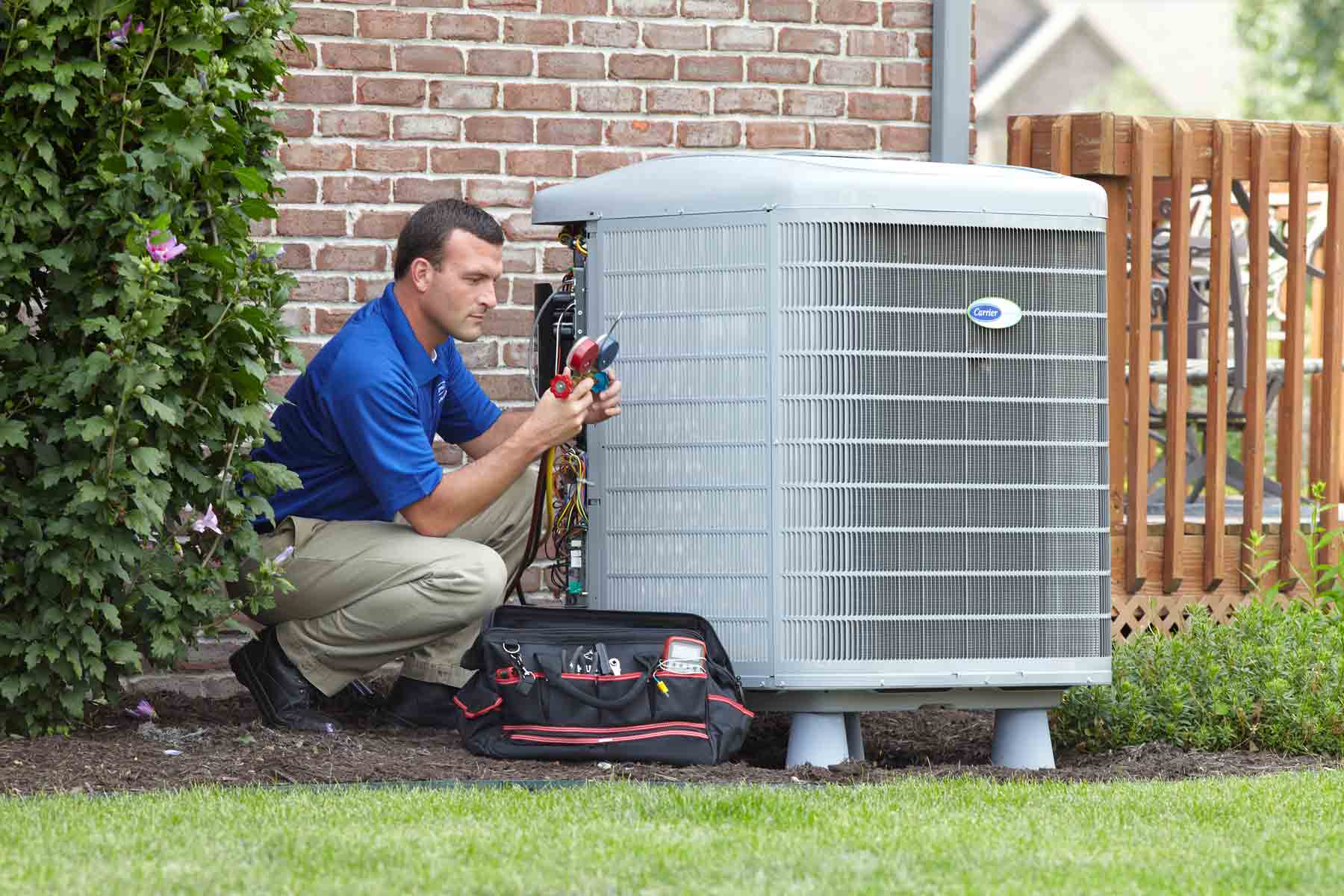
Diagnostic steps: 1. Measure supply voltage at the compressor terminals during startup. A sag one-tenth or more below nameplate voltage indicates wiring or supply problems and can cause short cycling. Too loud or unusual compressor noises can be indicative of mechanical failure or low refrigerant.
Record what changes from day to day. The sporadic nature of the noise associated with runtime pattern will focus your cause and assist in communicating your findings to a technician.
Feel The Air
While the system is running, check air temperature and airflow strength at several vents. Weak airflow or uneven temperatures are signs of airflow restriction or blower issues. Use to find hot or cold spots in rooms or verify incomplete cycles.
Take return and supply temperatures, if possible. An unexpectedly small temperature split is an indicator of low refrigerant. Watch for humidity swings, too. Bad dehumidification frequently correlates with short cycles since the unit never runs long enough to extract moisture.
Check The Filter
-
Inspect filters monthly during heavy use seasons.
-
Replace disposable filters when visibly dirty or clogged.
-
Clean reusable filters per manufacturer instructions.
-
Set reminders: every one to three months for typical homes, more often for pets or high dust.
Dirty filters, clogged returns, or dirty condenser coils reduce airflow and cause short cycling. Oversized units and low ambient operation below 65 °F without controls are common culprits.
DIY Troubleshooting
Short cycling is when the air conditioner turns on, off, then on again in quick succession. That cycle kills energy, kills components, and usually indicates airflow, control, or sizing issues. The steps below center on easy inspections, safe resets, and a small checklist you can deploy during routine visits.
Inspect Airflow
Inspect supply and return vents for blockages or closed louvers. That’s just looking into the vent itself. Look behind furniture, curtains, and rugs that may sit near vents. Even partial obstruction cuts airflow and can cause the system to overheat and shut down as a safety response.
Clean vent covers and, if accessible, vacuum exposed dust from ducts and grills. Change or clean vent filters as appropriate. The air filter is often the very first and easiest step in DIY troubleshooting for short cycling. A clogged air filter restricts airflow. Short cycling is often caused by restricted airflow.
Verify blower and air handler operate at anticipated speeds. Hearing sluggish airflow at vents or strange noises from the fan can indicate a motor or capacitor problem. A bad capacitor or compromised control can slow the fan and cause frequent shutdowns.
If you think you have duct leaks or major buildup, mark those for a pro. Improperly sized ducts or extreme blockages can masquerade as short cycling by disallowing sufficient return air.
Assess Thermostat
Check that your thermostat is set to the right temperature and the right mode. Make sure it’s on cooling with a reasonable setpoint. Tiny setpoint differences can cause short cycling of oversized units.
Verify loose wiring, dead batteries or error codes on the display. A thermostat that’s not calibrated properly can misread the room temperature and lead to short cycling. Take off the cover to look at wiring only with the power off, as loose or corroded terminals are a frequent, easy-fix culprit.
Move the thermostat if it’s in direct sunlight, near a draft, or near heat sources such as lamps or electronics. These local heat sources cause the system to generate an inaccurate reading, which turns it off prematurely.
If issues continue, reset the thermostat to factory defaults. After the reset, observe for a few hours and document if cycles return to normal.
Reset The System
Power down the HVAC breaker for at least one to five minutes for controls to clear. This easy power cycle can reset protective safeties and control boards that have latched out.
Turn it back on and watch it cycle. Employ this step after filter changes, thermostat tweaks, or small repairs to test if regular cycling returns. Record any difference in how often it starts and stops.
If short cycling continues, record symptoms: cycle length, sounds, error codes, and recent maintenance. Twelve-month maintenance and one to three-month filter changes avoid many root causes.
The Hidden Culprit
Short cycling can appear like a sign of old age or bad luck. A blend of insidious factors typically fuels the issue. Before assuming compressor failure, consider airflow, controls, and the building context. A clogged air filter, miscalibrated thermostat, or faulty electrical component can all send a system into start-stop cycles.
Regular AC cycles last 10 to 20 minutes. Cycles under 10, sometimes as few as five, signal short cycling. That rhythm strains the compressor like a sprinter on repeated 100-yard dashes. The deterioration accumulates fast if left uncorrected.
Environmental Influence
Recent heat waves, cold snaps, or prolonged high humidity place additional stress on systems and shift typical cycle duration. Outdoor heat makes the condenser work harder to reject heat, so the compressor will run longer and then shut off briefly as the thermostat reads fluctuating room temperature.
High humidity can cause the thermostat to misread a different ‘comfort’ level, causing more on and off cycling. Seasonal shifts matter: spring and fall often show wider indoor and outdoor swings that confuse older thermostats.
Setting setpoints to current weather and allowing systems to run a complete 10 to 20 minute cycle reduces short cycling. Think about basic changes like lifting the cooling setpoint 1 to 2 °C during a heat wave to smooth cycles and reduce energy use.
Building Envelope
An insulation deficiency in your walls, attic, and crawl space results in uneven heat gain or loss. Cracks around windows and doors not only leak conditioned air, but allow outdoor air to infiltrate, so the system works overtime to maintain set temperature and short cycles.
Check your insulation and draft levels. Sealing cracks and increasing insulation where R-values are low diminishes load swings. When the envelope is weak, the HVAC has to work harder and shorter, more frequent cycles often result.
Upgrading insulation and sealing leaks is part of that whole-home strategy that pays back in fewer cycles and lower energy bills.
Internal Heat Loads
-
Don’t run dishwashers, ovens or clothes dryers simultaneously on hot days.
-
Minimize space heaters or big lighting arrays during peak cooling hours.
-
Wash and cook during cooler times of the day to reduce indoor heat spikes.
Big parties or intense cooking increase internal heat loads and can spark short cycling. Move air with ceiling fans and use portable dehumidifiers to take moisture load off so thermostats encounter steadier conditions.
Minimizing internal gains gets the system through normal length cycles and reduces wear on aging units.
Professional Solutions
Pro service finds out why your HVAC short cycles and which repairs prevent repeat breakdowns. A qualified technician deploys specific tests and instruments to measure refrigerant pressure, airflow, electrical draw and thermostat response. These diagnostics detect early failures, avoid compressor damage and verify that the unit size and configuration align with the building load.
System Tune-Up
A good tune-up is more than just cleaning the condenser coils. It checks refrigerant levels and will recalibrate thermostats to factory settings. Testing blower performance and inspecting all electrical connections will help identify weak motors or loose wiring that leads to short cycling.
Lubricate moving parts and replace worn belts or bearings so parts move easily and don’t induce pressure or temperature swings that cause cycling. Techs write down every maintenance task they perform at every annual heating or cooling check, building a service history that informs future work and warranty claims.
Component Repair
Swap defective relays, capacitors, or contactors to reinstate reasonable cycling. These little guys break all the time and cause instantaneous short cycling. Repair or replace damaged compressors, blowers, or air handlers when testing indicates unacceptably worn parts or electrical failure.
Repair refrigerant leaks and recharge per manufacturer specifications. Low or overcharge typically causes ice formation or inadequate cooling and must be addressed by certified professionals. Replace defective or old thermostats with programmable or smart thermostats to help minimize no-fault dispatches.
You need professional assistance when refrigerant problems, ice, or weird noises exist as these indicate underlying issues that simple remedies can’t resolve.
Sizing Correction
Conduct a load calculation to identify the right HVAC size for the space with heat gain and loss factors, insulation levels, and window exposure. Swap out oversized or undersized units for correctly sized equipment to maintain steady run cycles.
Modify ductwork and airflow design, sealing and rebalancing if necessary to ensure supply and return air aligns with new system needs. Go see a good HVAC guy for full system replacement or significant upgrades. A professional will guide you out of the hamster wheel of poor decisions and short cycling.
|
Benefit |
What it shows |
|---|---|
|
Pinpointed cause |
Exact component fault or measurement out of spec |
|
Faster repair |
Accurate part selection and reduced trial-and-error |
|
Safety |
Proper handling of refrigerant and high-voltage parts |
|
Longevity |
Maintenance plans extend life and cut energy use |
Conclusion
Short cycling sucks both comfort and money. A short cycling HVAC unit wears out parts, consumes excessive electricity, and inadequately cools or heats rooms. Low refrigerant, wrong-sized equipment, a dirty filter, a stuck thermostat, or a blocked airflow path commonly cause this issue. Oftentimes, a quick filter change, vent clearance, or thermostat adjustment is all that’s needed to solve the problem. Other times, a leak, a bad control board, or a wrong-sized system needs a pro. For tenants, inform your landlord. For owners, log run times and have a licensed tech test refrigerant, airflow, and controls. Schedule a diagnostic if the unit trips breakers, makes odd noises, or runs less than five minutes per cycle. Act today to conserve energy and prevent costly repairs.
Frequently Asked Questions
What is HVAC short cycling?
What is short cycling? Short cycling is when an HVAC system kicks on and off in short intervals. Such behavior wastes energy, stresses components, and diminishes comfort.
What commonly causes short cycling?
Common culprits are an oversized system, clogged air filters, and a few less intuitive issues like refrigerant or thermostat problems and faulty safety switches or controls.
How does short cycling affect my HVAC system?
Short cycling cuts efficiency, drives up energy bills, stresses compressors and fans, and decreases the system’s lifespan.
Can I fix short cycling myself?
You can try basic steps: replace the air filter, check thermostat settings and batteries, and clear debris around the outdoor unit. For electrical or refrigerant problems, give a pro a ring.
How do professionals diagnose short cycling?
Techs check airflow, refrigerant pressure, electrical components, thermostat operation, and system sizing. They use gauges, meters, and experience to identify the source.
Is an oversized HVAC unit the same as short cycling?
An oversized unit is frequently to blame for short cycling, since it cools or heats too fast, then shuts off before finishing proper cycles.
When should I call a technician for short cycling?
Call a technician if short cycling persists after simple checks, if you hear strange noises, smell burning, or breakers trip frequently. Quick service prevents expensive damage.
Key Takeaways
Understand typical issues such as drain clogs, incorrect installation, and pump or hose malfunctions to target fixes where…
Key Takeaways
We recommend changing your evaporator pad at least once a year, prior to the heating season. Coordinate the change with…