
Signs Your Gas Line Needs Inspection
Key Takeaways
-
Watch for strong sulfur or rotten egg smells, persistent hissing noises, visual damage to pipes, weak or discolored appliance flames, and unexplained physical symptoms. Arrange an inspection if any appear.
-
Don’t ignore subtle signs. Slow heating, creeping gas bills, and multiple small repairs treat them as building warnings. Keep track of usage and service to identify trends.
-
Conduct routine preventative inspections such as visual pipe checks, easy soapy water tests, and certified gas detectors. Maintain a dated inspection and repair log.
-
Understand obligations and limits by caring for inside lines and appliances. Report outside or meter issues to your utility and permit utility crews access for service inspections.
-
Take immediate action for suspected leaks by evacuating, avoiding ignition sources, notifying authorities from a secure location, and awaiting assistance.
-
Hire certified technicians for thorough inspections that incorporate pressure testing, electronic leak detection, above and below ground lines, and a written report with suggested repairs.
Signs your gas line needs inspection are warning signs that your home gas pipe may have a leak or is faulty. Some of the most common signs are a lingering rotten-egg odor, dead bushes or grass close to outdoor lines, hissing near appliances, or sudden increases in your gas bill.
Other indicators include visible rust, loose fittings, or delayed pilot lights. Regular inspection minimizes fire and health risks and helps schedule needed repairs.
Warning Signs
If it’s a gas line that needs inspecting, it usually gives pretty distinct warning signs prior to a meltdown. Here are typical warning signs to be on the lookout for, which apply to indoor and outdoor systems and should trigger prompt professional evaluation.
-
Foul sulfur or “rotten egg” smell in a home, near appliances, at the meter, or outside by buried lines.
-
Pipes, fittings, or gas-using equipment that hisses or whistles.
-
Stoves, furnaces, or water heaters with weak, yellow, or orange flames.
-
Constant pilot outages, a hard time lighting burners, or appliance error codes occurring repeatedly.
-
Corrosion, rust, damaged connectors, or loose fittings on metal lines that are visible.
-
Brown grass, dying patches of plants, and puddles or soil shifting on top of buried lines.
-
Black soot, scorch marks or discoloration around vents and appliances.
-
Physical symptoms in occupants or pets include headaches, dizziness, nausea, sudden fatigue, or breathing trouble.
1. Unusual Odors
A pungent sulfur or rotten-egg smell is the old-fashioned sign of a gas leak, since gas providers inject odorant so that people can smell leaks. Any such odor within the house or around a meter or appliance is cause for immediate concern.
Faint but persistent smells should be taken seriously as well. Small leaks can escalate rapidly. Outside, an abrupt foul odor by buried lines or in a yard where plants are wilting can indicate an underground leak.
2. Strange Sounds
Listen for hissing, whistling, or a steady faint rush near piping and appliances. Those noises frequently indicate gas escaping under pressure, and the sound can become increasingly louder as the leak intensifies.
Distinguish between regular appliance clicks and burner noises and persistent hissing. If in doubt, have it checked by a qualified technician. Consider any new, unexplained sound as an emergency.
3. Visual Cues
Examine exposed metal lines and fittings for rust, corrosion, or damage. Older lines have a higher chance of failure.
Check your yard for dead grass, brown patches, or soil heaving above buried pipes. These can all be caused by escaping gas and are typical warning signs. Loose connections, soot, or scorch marks near vents indicate poor combustion or leaks and require immediate repair.
4. Appliance Malfunctions
Constant pilot outages, difficulty in lighting burners, and multiple appliance faults can indicate low pressure or leaks. Weak, yellow, or orange flames are signs of incomplete combustion and a potential supply issue.
Irregular heating or the sudden shutting down of furnaces or water heaters should set off a gas line check.
5. Physical Symptoms
People or pets with unexplained headaches, dizziness, nausea, or respiration difficulty may be suffering from gas exposure or carbon monoxide from defective combustion.
Symptoms that aggravate high risk groups, such as young or old, need immediate attention and examination.
Subtle Indicators
Subtle signs come before obvious failure. Frequent inspections pick up minor shifts before they turn dangerous. Here are concentrated points to observe during regular tune-ups or when you’re feeling something lurks.
Pipe Condition
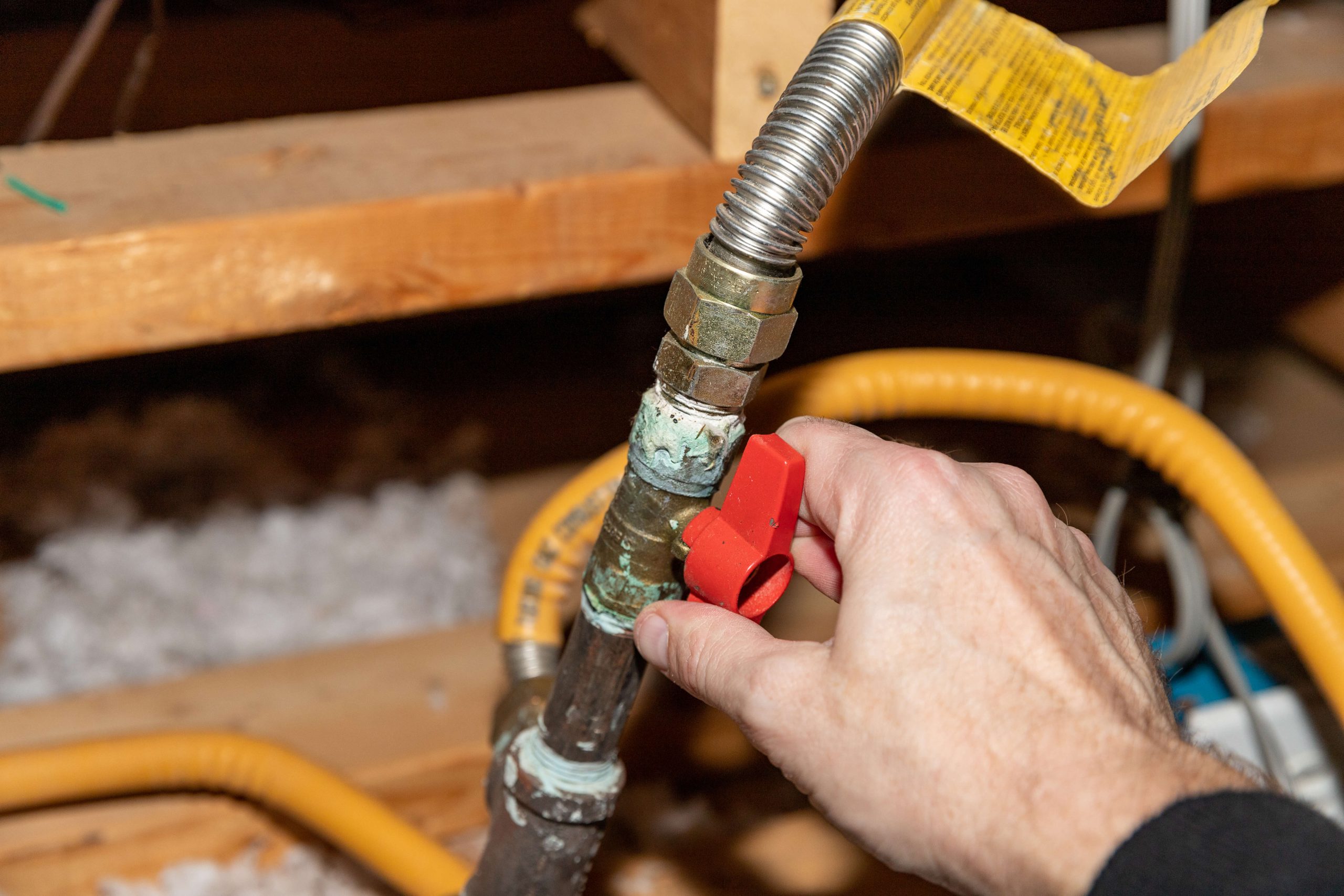
Inspect exposed piping for rust or flaking corrosion or paint bubbling. Aging steel piping and rusted fittings in older homes are notorious for slow leaks. Mechanic damage from tools, nails or impact appears as dents, nicks, or gouges along pipe runs and can erode the pipe wall.
Examine joints and fittings for staining or residue and sniff for occasional odors around connections. Loose appliance connectors and worn valves create subtle odors that are more noticeable than a submerged leak. Post-renovations, inspect pipes adjacent to work zones for new damage.
Mechanical damage sustained during renovations or landscaping work is a frequent source of subtle, slow leaks and problems. Test original lines in older homes and any hack or unapproved work. Inadequately installed parts or previous unpermitted fixes can conceal defective joints that drip under weight.
Plan your inspections yearly. A specialist can apply pressure tests and gas detectors to unmask locations where surface condition foreshadows impending malfunction.
Environmental Factors
New digging, landscaping or heavy machinery work in the proximity of any underground lines increases risk, as even light soil movement may shift a buried pipe. Cinder block foundation settling which strains hard pipes induces minor joint separations that manifest as small, flickering flames or inefficient appliances.
Keep an eye on places that flood often or whose soil chemistry is aggressive. Moisture and particular chemicals accelerate corrosion. Seasonal effects matter. Freeze-thaw cycles can heave pipes, while drought may cause soil to settle and pull on connections.
Note any difference in grade, new drainage, or deep-rooted plantings that may shift lines. If you see new cracks in pavement or small dips over known pipe alignments, consider them warning signs and schedule a locate and inspection prior to further work.
Specialists can evaluate corrosion potential and advise on cathodic protection or replacement where necessary.
Usage History
|
Date |
Gas usage (m³) |
Notes |
|---|---|---|
|
2024-06 |
120 |
Normal baseline |
|
2025-06 |
150 |
Unexplained increase |
|
2025-07 |
142 |
Small drop after service call |
Record all linked gas appliances and mention renovations or new installs. Patched-on appliances without system upgrades can increase flow requirements and expose leaks. Record previous leaks, emergency response, and inspection dates.
If you have a series of minor fixes or ongoing burner adjustments, this indicates line or pressure issues and not isolated appliance problems. Match bills against those from the same month last year to catch nasty creep.
Unexplained spikes typically point to leakage. If you smell gas constantly or strongly, get out right away and call the utility or emergency services. Periodic smells, even faint ones, warrant garage testing.
Interpreting The Silence
Gas lines fail without fanfare. No hissing, no flaming, and no dead vegetation do not mean systems are sound. Some leaks are just slow or low smell, while some release gas that users do not smell due to nose fatigue or anosmia.
Older homes with steel piping, corroded fittings, or foundation movement increase the probability that there are small, difficult-to-see failures afoot. Silence should prompt action, not comfort. Evacuate and call the utility or 911 if you notice a strong or persistent odor, and never operate switches or electronics before relocating to safety.
Cumulative Risk
Small signs accumulate. Interpreting The Silence – One flicker of a pilot light may be no big deal, but multiple or widespread pilot failures indicate pressure or line problems. Small health complaints, such as headaches, dizziness, and nausea, can be attributed to exhaustion, but multiple family members experiencing the same symptoms at once is alarming.
Multiple repairs in a single room, constant work in the same section of piping, or rust on several fittings indicate systemic wear, not localized damage. Make a short checklist to see the whole picture: age and material of piping, history of repairs, number of appliances showing small faults, and recent soil or structural shifts near buried lines.
If three or more show up on that list, consider a professional inspection a priority. Even more alarming is the increased hazard of a small, slow leak developing into a catastrophic event when you have several minor warning signs.
Proactive Checks
Create a clear, simple routine: inspect visible piping monthly. Test appliances and connectors following any servicing. Run detectors weekly. Test with an approved handheld gas detector or soapy water on exposed joints. Bubbles show escaping gas.
Make each check about seeing your work in a clear, hard to lose log. Include the date, location, findings, and recommendations so that trends become clear over time. Educate members of your household to mention new odors, weird appliance action, or subtle health symptoms right away.
Install carbon monoxide detectors on every floor and change their batteries during the same routine. Remember to keep heating system air filters clean and replace them as recommended by the manufacturer. Clogged filters and dirty combustion can obscure or exacerbate line issues.
False Security
New fixtures and recent repairs don’t eliminate danger. Even expert work goes awry if underlying piping is corroded or if fittings were stressed during installation. ‘It’s always been fine’ is not a safety plan. Concealed leaks and gradual material decay frequently don’t display any sensational symptoms until they do.
Once you’ve passed inspection, stay vigilant. Follow up after storms, remodeling, or apparent settling. If you think there’s a leak, get out and call the gas utility or 911 from a safe location.
Your Responsibility
It’s your responsibility to take care of the gas piping and appliances inside your unit and to understand where bonding and maintenance boundaries are. The provider generally owns and maintains the pipeline from street to meter. All of the stuff on the ‘far side’ of the meter, including interior piping, fittings, and connected appliances, is typically your responsibility.
Understand the right-of-way for any buried pipeline on or near your property and handle that zone with respect.
Homeowner’s Domain
Check exposed gas piping, valves and flexible connectors. Check for corrosion, dents, loose fittings or discoloration at joints. A paint blister or rust patch can indicate moisture and impending weakness.
Test appliances when you move in, after repairs or shutdowns. Small odors of gas, hissing or pilots that won’t stick are your indicators to get going. Schedule professional inspections on suggested timelines and after major shifts like remodeling, new appliances or foundation work.
A certified technician can conduct pressure or leakage tests and confirm proper venting. If you have interior lines that are old or showing signs of damage, replace them immediately. Aged black iron pipe, brittle unbonded CSST or deteriorated rubber connectors require timely swaps to minimize risk.
Maintain records of every inspection, repair and replacement, including dates, contractor names, findings and receipts, so you can keep on top of patterns and comply with code or resale demands. File these along with your other home-service papers.
Train your family on gas safety and what to do in an emergency. Discuss the location of gas shutoff valves, how to turn appliances off and the scent of mercaptan (added odorant). Hang emergency numbers and inform visitors on what to do if they smell gas.
Utility’s Jurisdiction
Recognize that the gas supplier typically owns and services the distribution main and service up to the meter. In certain areas, the provider actually owns lines to and including the meter and will fix or swap them.
If you notice any outdoor leak indications or service issues, such as a strong odor near the meter, buried-line disruption following an excavation, or low pressure, report them to the utility immediately. Don’t attempt to get service-side muck out on your own.
Provide utility crews access for standard leak surveys, pressure checks and service-line inspections. Follow their directives during emergency shutoffs or supply restrictions. They might have to quarantine service for safety reasons.
Before you start any digging or landscaping, call 811. They will locate all the utilities underground. Property owners share responsibility here. Marking planned work and avoiding the right-of-way prevents damage.
Understand and step up to your obligation. Forward-looking care and transparent records minimize risk and accelerate response.
Immediate Protocol
A suspected gas leak requires a concise, immediate sequence of actions to minimize risk and enable trained crews to intervene. The instructions below walk you through what to do initially, how to protect yourself, and what information to provide to emergency responders and the gas utility. Adhere to them precisely and shun additional efforts that squander time or increase danger.
|
Action |
What to do |
Where/when |
|---|---|---|
|
Evacuate |
Leave immediately; go to a safe meeting spot upwind and at least 100 m away if possible |
As soon as you smell gas or hear hissing |
|
Eliminate ignition |
Do not use phones, switches, engines, or open flames; shut off the main gas valve only if safe |
While leaving the building |
|
Notify |
Call emergency services (911) and the gas utility from a safe location; provide address and symptoms |
After reaching the safe spot |
| Hold for release | NOT TO RE-ENTER UNTIL RESPONDERS/UTILITY CREW SAFE until pros finish checks |
Evacuate The Area
Get out of the house immediately if you sniff gas, hear a hissing sound or see dead plants around underground lines. Evacuate everyone peacefully, but quickly. Meet up at a designated outdoor meeting point so you can be sure everyone is out.
Don’t attempt to locate the leak or linger to retrieve personal belongings. Locating the source can subject you to high concentrations and ignition potential. Don’t leave the meeting point and prevent others from leaving until emergency personnel or a professional service technician confirm it is safe.
Eliminate Ignition
Don’t do anything that could make a spark. Don’t light switches, phones inside the structure, or machinery that might create heat or spark. Turn off your main gas shutoff on the way out if you can reach it safely.
Don’t crawl around or open panels in an effort to locate it. Caution approaching onlookers not to smoke, start vehicles, or generators. Keep vehicles and engines away so your exhaust or starter motor doesn’t accidentally ignite it. Static discharge and small sparks can ignite gas-air mixtures at low concentrations.
Contact Authorities
From a secure location, call 911 and your gas utility’s emergency number. Provide an exact address, scent, any noise like hissing, and what you did, such as turning off the main valve.
Note any susceptible residents, including children, seniors, or individuals with mobility restrictions. Fire services and the utility crew will come. They will check for gas concentration, shut the supply off, and check piping.
The immediate attention by professionals needs to involve pipe age, previous repairs, mechanical damage, loose appliance connectors, and foundation settling that could stress lines. Don’t come back until you get the all clear from officials.
Professional Assessment
A professional assessment establishes the baseline condition of a gas system and defines the work needed to make it safe and reliable. It typically covers nine key areas: piping age and material, signs of past repairs, joint and fitting integrity, appliance compatibility, meter and regulator condition, venting, external damage, corrosion, and nearby site changes such as recent digging or landscaping.
Expect an inspection to take about one to two hours for a typical residence. Larger or more complex systems take longer.
Diagnostic Methods
Employ advanced leak detection tools, including calibrated electronic gas detectors, flame ionization meters, and ultrasonic sensors that detect flow noise of leaks. Pressure testing involves isolating sections and putting a measured load on them to see if it drops after a certain time period.
This reveals weak joints and tiny leaks that devices overlook. Visual inspection consists of walking all exposed piping runs, checking supports, looking for corrosion, loose fittings, damaged coatings, and clearances around appliances.
Soapy water tests are still effective at fittings and valves where there is no visual indicator available. Bubbles will appear at points of low pressure leaks and assist in repair.
Inspection Scope
Checklist items are to be written and explicit. Note material type (steel, copper, PE), pipe age, any nonstandard repairs, bonding/grounded, meter/regulator condition, valve condition, appliance connections, underground sleeve and tracer test, signs of physical damage.
Check above-ground runs for corrosion, physical and thermal impact. Examine below-ground joints where accessible and recommend excavation or tracer tests if suspected. Verify that the system meets applicable safety codes and local standards, such as clearances and regulator settings.
Record each discovery with photographs, tape measure logs, and an account of perceived shortcomings.
-
Procedures to expect during assessment:
-
Walk exterior and interior piping routes and note materials.
-
Perform calibrated electronic leak sweep of entire system.
-
Isolate sections and conduct pressure decay testing.
-
Apply soapy water to suspect fittings and retest.
-
Inspect meter, regulator, and appliances for correct operation.
-
Verify underground lines with tracer wire or locate service.
-
Produce a written report with photos and repair recommendations.
-
Provide a prioritized cost estimate and safety actions.
-
Potential Outcomes
The report will list immediate repair needs, meters or regulators to replace, or sections of piping that need full replacement. After all leaks and hazards are fixed, professionals will restore service and may re-test to confirm integrity.
You may receive a schedule for periodic checks based on pipe condition and seasonal stress factors. Materials expand and contract with temperature changes, which affects long-term integrity.
Unresolved issues can lead to service restrictions, regulatory fines, insurance disputes, or safety incidents. A professional assessment gives clear next steps and peace of mind for homeowners planning upgrades.
Conclusion
Gas leaks begin as a tiny breach and can spread rapidly. Cold or rotten-egg smells, hissing near pipes, dead plants by the line, and pilot lights that go out are all signs your gas line needs inspection. Quiet signs matter too: slow gas smell, weak burners, and sudden higher bills. Act fast. If you smell gas, get out of the house, shut off the main if possible, and call the gas company or a licensed pro from outdoors. Have a technician inspect pressure, joints, valves, and vents. Keep vents clear and appliances tuned as well. A brief postponement increases danger and expense. Be on the lookout for altered sounds, odors, and flames. When in doubt, schedule an inspection. Safeguard your home, your health, and your peace of mind.
Frequently Asked Questions
How can I tell if my gas line needs inspection?
Watch for intense rotten-egg odors, hissing noises, dead plants near the line or random appliance problems. Any of these signs require a licensed professional’s inspection immediately.
Are small gas smells dangerous or can I wait?
Don’t ever wait. Even faint gas odors are a risk for leaks. Air it out, get out of the house, and call your gas company or 911 from a safe distance.
Can visual checks spot all gas line problems?
No. Visual inspections can detect visible damage or corrosion, but not minor leaks or subsurface problems. Use a licensed professional and leak detection equipment for a complete evaluation.
How often should I schedule professional gas line inspections?
Get a licensed inspection after moving in, after major renovations, or any time you suspect an issue. Otherwise, do as your local codes say, which is generally every 1 to 3 years for older systems.
What should I do if appliances act up but I don’t smell gas?
Shut off appliances, air out the space, and contact a professional. Appliance issues can indicate pressure or connection problems that require checking for safe and efficient operation.
Who should I call for a gas line inspection?
Get in touch with your local gas utility or a licensed gas fitter or plumber who is licensed to work on gas. They have the training, certifications, and tools for safe, accurate inspections.
Will an inspection be covered by my home insurance?
Coverage differs. A few insurers cover inspections post-leak or as part of a claim, but routine inspections often are not covered. Check your policy or inquire with your insurer for details.
Key Takeaways
Understand typical issues such as drain clogs, incorrect installation, and pump or hose malfunctions to target fixes where…

Key Takeaways
We recommend changing your evaporator pad at least once a year, prior to the heating season. Coordinate the change with…