
Smart Plumbing Fixtures: Water-Saving Home Upgrades
Smart plumbing fixtures are faucets, toilets, showerheads, water heaters, and leak detectors that use sensors, automatic shut-off valves, and Wi-Fi connectivity to control water flow, catch leaks early, and reduce waste. In a Front Range Colorado home, the right ones lower your monthly water bill, guard against frozen-pipe damage in winter, and help fixtures hold up against the hard water common across the south Denver metro.
Not every smart fixture is worth the upgrade, and installation is rarely plug-and-play. The best choices depend on your existing pipes, your water pressure, and how much hard-water scale your plumbing already carries. Below is a practical look at what these fixtures actually do, where they save the most water and money, and what a licensed plumber checks before putting one in.
What Counts as a Smart Plumbing Fixture
The label covers a wide range of connected and sensor-driven devices, not just app-controlled gadgets. Most fall into a few categories that matter for a typical home in Parker, Castle Rock, or Highlands Ranch:
- Touchless and motion-sensing faucets that run only when hands are under them, then shut off automatically.
- High-efficiency and dual-flush toilets that match water volume to the job instead of using a fixed full tank every time.
- Smart leak detectors and automatic shut-off valves that monitor flow around the clock and can close the main line when they sense an abnormal pattern.
- Smart and tankless water heaters that learn your usage schedule and heat water on demand rather than keeping a full tank hot all day.
- Weather-based irrigation controllers that skip watering when it rains and adjust for the dry, high-altitude climate.
What ties them together is measurement. Instead of running blind, these fixtures track how much water moves through your home and give you the data to act on it.
How Smart Fixtures Save Water and Lower Bills
The savings come from two places: using less water per task and catching waste you would never notice on your own. Toilets are the biggest single indoor water user in most homes, accounting for close to 30 percent of indoor use per the EPA. A toilet made before 1994 can use 3.5 to 7 gallons per flush, while a modern high-efficiency or dual-flush model uses 1.28 gallons or less. On a busy household, that difference adds up fast.
Faucets and showerheads work the same way. A WaterSense-labeled faucet is certified to use at least 20 percent less water than a standard fixture, dropping from around 2.2 gallons per minute to 1.5 GPM or lower without a noticeable change in feel. Touchless models push that further by cutting the water that runs while you scrub a pan or brush your teeth.
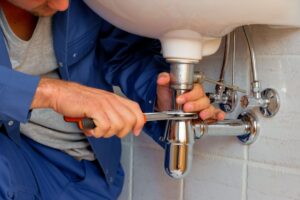
The bigger money-saver is often the one you never see: a small leak. A running toilet flapper or a pinhole drip can quietly waste hundreds of gallons before anyone notices. A smart leak detector watches flow patterns 24/7 and sends an alert to your phone the moment something looks wrong, so a slow leak gets fixed as a repair instead of turning into water damage.
Smart Plumbing and Front Range Colorado Conditions
Smart fixtures pay off differently here than they would in a mild coastal climate. Three local factors make certain upgrades genuinely worthwhile.
Cold, Snowy Winters and Freeze-Thaw
When overnight lows drop well below freezing, an unheated basement, crawl space, or exterior wall pipe can freeze and burst. That risk is highest when a home sits empty during a ski weekend or holiday travel. A smart leak detector paired with an automatic main shut-off valve is one of the strongest cases for going smart on the Front Range. If a pipe lets go while you are away, the system closes the water supply on its own and cuts what could be thousands of dollars in flooding down to a manageable repair.
Hard Water Across the South Denver Metro
Much of the Denver metro runs on hard water, and mineral scale is the enemy of small moving parts. Sensor aerators, solenoid valves, and cartridge showerheads all clog faster when scale builds up. Smart fixtures still work well here, but they need clean water to stay reliable, which is why many local homeowners pair them with a water softener or a whole-home filter. Some smart systems even monitor water quality and flag when a filter needs changing.
Hot, Dry Summers and Altitude
Summers on the Front Range are hot and dry, and outdoor watering can dominate a summer water bill. A weather-based smart irrigation controller uses local forecast and soil data to skip watering after rain and dial back during cooler stretches, which matters when watering-day restrictions are in effect. Altitude also affects water heaters, since combustion appliances run differently at roughly a mile of elevation. A smart or tankless unit sized and configured for high altitude keeps hot water steady while trimming standby energy loss.
Which Smart Upgrades Are Worth It
If you are prioritizing, this is a reasonable order for a typical Parker-area home:
- Whole-home leak detection with automatic shut-off – the best protection against winter pipe bursts and hidden leaks.
- Smart or tankless water heater – steady hot water with lower standby loss, sized for altitude.
- High-efficiency or dual-flush toilets – the fastest way to cut everyday indoor water use.
- Weather-based irrigation controller – the biggest lever on a summer water bill.
- Touchless faucets – convenience and modest savings, plus better hygiene in kitchens and baths.
What to Check Before You Install
A few things decide whether a smart fixture works smoothly or becomes a headache. First, compatibility with your existing plumbing. Older homes with galvanized steel or aging supply lines may need adapters or upgrades before a smart valve fits cleanly. Second, water pressure, since many touchless and shut-off fixtures need a minimum psi to seat and seal correctly. Third, Wi-Fi coverage, because a leak sensor in a far corner of the basement is useless if it cannot reach your network. Finally, plan for hard-water maintenance so scale does not shorten the life of the sensors and valves.
Faucet swaps are often manageable for a confident DIYer, but automatic main shut-off valves and water heaters should be installed by a licensed plumber. Those connections tie into your main water line and, for gas water heaters, your fuel and venting, where altitude and code both come into play.
Frequently Asked Questions
Do smart plumbing fixtures really lower my water bill?
Yes, when you focus on the high-use fixtures. High-efficiency toilets and WaterSense faucets cut water per task, and leak detection stops waste you would otherwise pay for month after month. The bigger the household, the faster the savings show up.
Can a smart leak detector prevent frozen-pipe damage in winter?
It can dramatically limit it. A detector paired with an automatic shut-off valve closes your water supply the moment it senses an abnormal flow, so a pipe that bursts while you are away does far less damage. It does not keep the pipe from freezing, so insulation and heat still matter, but it stops the flooding.
Will hard water damage smart fixtures?
Hard water will not ruin them, but the mineral scale common across the Denver metro can clog aerators, sensors, and valves faster than average. Pairing smart fixtures with a water softener or whole-home filter, plus routine cleaning, keeps them working reliably.
Do I need a plumber to install smart fixtures?
Simple touchless faucets are often a doable DIY job. Automatic shut-off valves, tankless and smart water heaters, and anything tied into your main line should be handled by a licensed plumber to keep the work safe, code-compliant, and covered.
Smart plumbing fixtures deliver the most value when they are matched to your home and to Front Range conditions – hard water, freeze-thaw winters, and dry summers included. If you want help choosing the right upgrades or installing whole-home leak protection, the licensed, bonded, and insured team at 1st Choice Pro Services works throughout Parker, Castle Rock, Castle Pines, Centennial, and Highlands Ranch. Call 303-841-1448 to schedule an assessment and get a straight recommendation on what is worth it for your home.
Key Takeaways
Moving your sink to an island increases your kitchen’s workflow by centralizing prep and clean-up, diminishing perimeter…
Key Takeaways
Understand typical issues such as drain clogs, incorrect installation, and pump or hose malfunctions to target fixes where…