Smart Plumbing Systems for Water Conservation on the Front Range
Smart plumbing systems use connected sensors, automatic shutoff valves, and water-efficient fixtures to track and reduce a home’s water use in real time. For Front Range households in Parker, Castle Rock, and Highlands Ranch, the biggest wins are leak detection that catches a burst pipe during a cold snap and low-flow fixtures that trim waste through our hot, dry Colorado summers – saving water and protecting the house.
Not every smart-water gadget earns its price tag, and retrofitting one onto older plumbing takes planning. This guide covers the technologies that genuinely pay off in a semi-arid, hard-water climate and what a licensed Colorado plumber checks before recommending an upgrade.
What Smart Plumbing Systems Actually Do
A smart plumbing system is a set of connected devices – flow sensors, a whole-home water monitor, a motorized shutoff valve, and sometimes smart fixtures – that measure how much water moves through your pipes and let you see and control it from a phone app. Instead of finding out about a problem when you get a shocking water bill or spot a wet ceiling, you get an alert the moment usage looks wrong.
Most systems fall into three groups: monitoring devices that clamp onto or install inline with your main water line, automatic shutoff valves that can close the supply on their own, and water-efficient fixtures such as low-flow toilets, faucets, and showerheads. The monitoring and shutoff hardware is where smart plumbing separates itself from a simple fixture swap, because it protects the structure of the home, not just the utility bill.
How Smart Plumbing Saves Water and Prevents Damage
Automatic leak detection and shutoff
A whole-home leak detector learns your normal water patterns and flags anything unusual – a toilet that runs all night, a pinhole leak behind a wall, or the sudden high flow of a pipe that has split open. Paired with a motorized shutoff valve, the system can close the main line automatically before a leak floods a basement or crawl space.
This matters more on the Front Range than in milder climates. When temperatures drop below freezing and stay there, unheated pipe runs in garages, crawl spaces, and exterior walls can freeze and burst. A pipe that ruptures while you are away on a ski weekend can release hundreds of gallons before anyone notices. Automatic shutoff turns that potential catastrophe into a phone notification and a quick service call.
Water-efficient fixtures
Replacing dated fixtures is the simplest way to cut daily water use. A WaterSense-certified toilet is built to flush with 1.28 gallons or less, compared with the 3.5 to 7 gallons that older toilets from past decades used per flush. WaterSense showerheads deliver 2.0 gallons per minute or less versus the standard 2.5, and aerating faucet fixtures cut flow at the tap without a noticeable drop in pressure. Because Denver-metro water is hard, mineral buildup can clog aerators and showerhead nozzles over time, so newer fixtures with easy-clean or self-cleaning nozzles hold their efficiency longer here. Our guide to smart plumbing fixtures that transform water efficiency breaks down which upgrades give the best return.
Smart water heaters and recirculation
Hot water is one of the largest energy loads in a Colorado home during our long heating season. A smart or on-demand recirculation setup delivers hot water to the tap faster, so you waste fewer gallons standing at the sink waiting for it to warm up. Smart tank heaters can also learn your schedule and ease off heating during hours you are asleep or at work, trimming both water and energy waste.
Smart irrigation for dry summers
Outdoor watering is where many Front Range households use the most water from May through September. A smart irrigation controller pulls local weather data and soil-moisture readings to skip cycles after rain and dial back watering during cooler stretches. In a region where summer watering restrictions are common and the climate is genuinely semi-arid, an irrigation controller that avoids overwatering the lawn is one of the highest-impact conservation upgrades a homeowner can make.
Smart Plumbing and Front Range Conditions
Two local realities shape which smart-water technology is worth installing here: hard water and freeze-thaw cycles.
Hard water – water high in dissolved calcium and magnesium, which is typical across the south Denver metro – leaves scale inside valves, sensors, and fixtures. Over months and years, that buildup can throw off flow readings and stiffen the moving parts inside a shutoff valve. Systems installed downstream of a water softener stay accurate longer, and any smart hardware you choose should be one that tolerates hard water without frequent recalibration.
Freeze-thaw is the other factor. A warm afternoon followed by a hard overnight freeze stresses pipe joints and outdoor spigots. Smart monitoring is valuable precisely because winter leaks often start small and hidden. Catching an abnormal drip in an exterior wall in January, before it freezes, expands, and splits the pipe wide open, is exactly the kind of early warning these systems are built to provide.
What to Weigh Before You Upgrade
Smart plumbing is a real investment, so it helps to plan the work rather than buy devices piecemeal. Start by taking stock of your current fixtures and shutoff valves, note which ones are oldest or least efficient, and prioritize by the combination of water savings and protection each upgrade delivers.
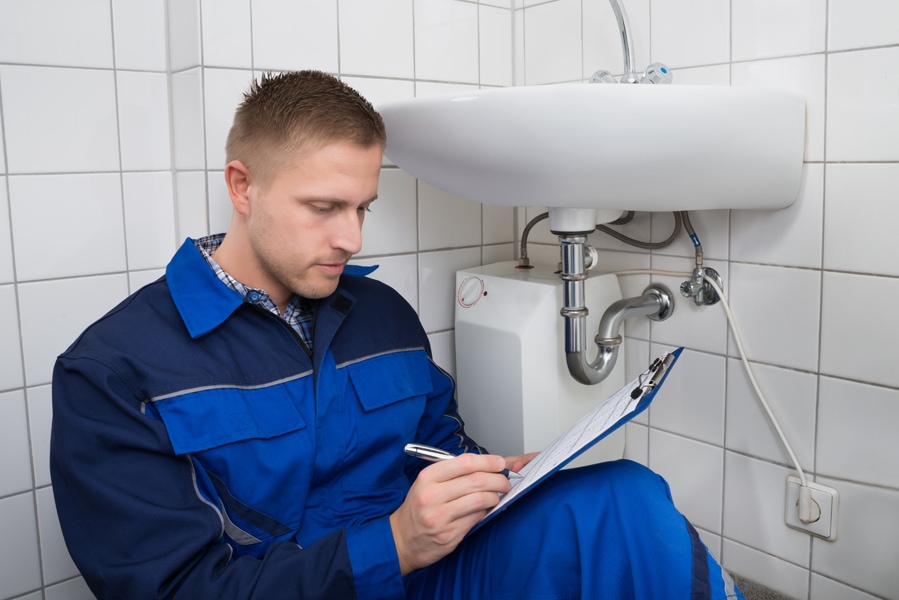
A few things a licensed plumber verifies during that assessment: whether your main line has room and the right pipe diameter for a shutoff valve, whether existing shutoffs and fixtures are corroded and due for replacement anyway, and whether the system’s app and hardware are compatible with your home’s Wi-Fi and any existing water softener. Getting these details right up front prevents the surprise costs that come from bolting smart devices onto plumbing that was not ready for them. Comparing water-efficient fixture options alongside the monitoring hardware helps you build a single, coherent plan.
Frequently Asked Questions
Are smart plumbing systems worth it in Colorado?
For most Front Range homes, yes – especially the leak detection and automatic shutoff hardware. The combination of freezing winters that can burst pipes and semi-arid summers that push up outdoor water use means both the damage-prevention and conservation benefits apply here. Fixtures pay back through lower bills; the monitoring and shutoff pay back the first time they stop a leak from flooding your home.
Can smart leak detection prevent frozen pipe damage?
It can dramatically reduce it. A monitor with an automatic shutoff valve closes the main line when it detects the abnormal flow of a burst pipe, limiting the damage to what leaks out before shutoff rather than everything that would drain while you are away. It does not keep pipes from freezing, so it works best alongside proper insulation and winterizing of vulnerable pipe runs.
Do water-efficient fixtures work well with hard water?
They do, but hard water shortens the life of aerators and showerhead nozzles by leaving mineral scale. Choose fixtures with easy-clean nozzles, and consider a water softener if scale is a recurring problem in your home. A softener also protects the sensors and valves inside a smart water system from buildup.
How much water can a smart system save?
It depends on how wasteful your current setup is and how much you water outdoors. The largest single savings usually come from replacing old high-volume toilets and from a smart irrigation controller that stops overwatering the lawn. A plumber can estimate realistic savings for your specific fixtures and household size during an in-home assessment.
Talk to a Local Plumber About Smart Water Upgrades
Smart plumbing works best when the right technology is matched to your home’s plumbing, your water hardness, and the way you actually use water through Colorado’s seasons. The team at 1st Choice Pro Services installs and services smart water monitors, automatic shutoff valves, and water-efficient fixtures for homeowners across Parker, Castle Rock, Castle Pines, Centennial, and Highlands Ranch. Call us to schedule an assessment and get a straightforward plan for cutting water waste and protecting your home.
Key Takeaways
Understand typical issues such as drain clogs, incorrect installation, and pump or hose malfunctions to target fixes where…

Key Takeaways
We recommend changing your evaporator pad at least once a year, prior to the heating season. Coordinate the change with…