
Ultimate Water Heater Maintenance Guide: Essential Steps and Expert Tips for Ensuring Efficiency and Longevity
Key Takeaways
-
In addition to making your unit more efficient and longer lasting, regular water heater maintenance can help keep your household safe.
-
As with any maintenance, be sure to wear protective gear and turn the power or gas off before working.
-
Draining and flushing the tank, inspecting the anode rod, and testing the pressure valve are important to avoid sediment accumulation and corrosion.
-
Maintain records to support warranty claims and monitor the state of your water heater.
-
Fix leaks, weird sounds, or changes in water quality as soon as possible to prevent expensive repairs and keep your unit running at its best.
-
Go pro for complicated repairs, yearly inspections and new installations.
Water heater maintenance refers to a few routine inspections and easy cleaning actions to ensure water heaters remain safe and efficient. Most water heaters require a simple temperature check, a safety valve test, and a mineral-sludge flush. Good maintenance prevents leaks, reduces expensive energy bills, and extends the life of the unit. Both gas and electric water heaters require this attention, but the procedures can vary slightly by type. Proper care reduces the threat of cold showers or unexpected failures. To assist in identifying minor issues prior to their escalation, straightforward advice and user-friendly instruments clarify the task for the majority. The following sections explain each step in detail.
Maintenance Steps
An organized water heater maintenance routine can save time, reduce expenses, and prolong the life of your unit. Prior to any work, assemble some rudimentary tools—wrenches, screwdrivers, a hose. Maintain an easy checklist for each, and schedule maintenance biannually. Preventative care can have a tank heater last up 15 years and tankless models up to 20 years.
1. Safety Preparations
Wear gloves and goggles to protect against scalding water and jagged edges. Maintain clear surroundings around the heater to reduce slips or trips. Consult your unit’s manual for procedures specific to your model. A fire extinguisher in the vicinity is an added measure of safety, particularly for gas appliances.
2. Power Off
Always turn off power at the circuit breaker for electric heaters. Gas models should turn off the gas valve to prevent leaks. Give the system a chance to cool before you begin, which minimizes burn hazards. Check that all power is off with the heater’s indicator lights or a multimeter.
3. Drain and Flush
Connect a hose to the drain valve and direct the water to either a floor drain or outside, away from sidewalks. Turn open the valve fully to flush out sediment, which can accumulate and decrease the heater’s life. Flush water through the tank until it runs clear. Flushing one or two times a year can extend some units 20 years, particularly if you live in a hard water area.
Flush the tank with a minimum 20 liters of water – repeat if the water is still cloudy. This step minimizes corrosion and makes the heater run more efficiently.
4. Inspect Anode Rod
Pull the anode rod out with a wrench and inspect for severe pitting or wear. Change the rod every three to five years, or earlier if it appears frayed. Screw the new rod in tightly to prevent leaks. Inspect the rod annually since mineral-rich water can accelerate corrosion.
5. Test Pressure Valve
Locate the T&P valve and slightly raise the lever. Water will gush out momentarily, demonstrating the valve’s functionality. If the valve doesn’t close tightly, replace it. A functioning valve prevents it from becoming over pressurized.
6. Final Checks
Check all pipes, joints and seals for leaks or rust. Audit your thermostat — lowering your thermostat 10°C can reduce energy bills by 5%. Hear any banging sounds or strange odors—those could require a professional’s assistance. Maintain notes of all check for next time.
Key Benefits
Proper water heater maintenance has a real impact on how well the system runs, how long it lasts, and how safe it is to use. Proper maintenance keeps you from losing warranty coverage and costly expenses. These points count regardless of your location or type of water heater.
Efficiency
Regular maintenance keeps your water heater humming. Simple things, such as sediment draining from the tank, count. Clean parts mean the system uses less energy, so you pay less on your monthly bill. Dirty or clogged heating elements work harder and waste more energy, something you can avoid with cleaning.
Repairing leaks or defective components immediately prevents the system from working overtime, which likewise keeps energy consumption down. You can maintain a record of your energy consumption pre- and post-maintenance to gauge your savings.
Lifespan
Routine maintenance can extend your water heater’s lifespan. Replacing the anode rod before it rusts out prevents rust and tank damage. Without this section, tanks rust faster and can even leak.
If you catch issues early, such as a malfunctioning thermostat or worn valve, you can address them before they cause greater harm. That’s to say you skip the shopping for a new heater before you absolutely need one. Maintaining written records of every repair or check-up allows you to monitor the unit’s well-being and make future preparations.
Skipping maintenance makes your stuff wear out faster, have more breakdowns, and cost more to you in repairs or replacements that you might have avoided.
Safety
Checking the heater frequently helps identify hazards, such as gas leaks, malfunctioning valves, or defective wiring, before they become a danger. All the connections and pressure valves have to function properly in order to prevent leaks or bursts.
Maintaining your tank prevents it from breaking or causing water damage to your home. Low-risk habits, such as turning off power and water prior to any inspection, reduce hazards for all.
Warranty
Numerous brands require evidence of regular upkeep to validate warranty requests. Maintain a work log – dates and who did what – this is your backup if all hell breaks loose.
Understand the warranty and what it requires from you. Routine inspections catch minor problems, so you maintain your warranty and prevent unexpected expenses.
Tank vs. Tankless
Water heaters come in two main types: tank and tankless. They each require varying maintenance, space, expense, and capacity for delivering hot water. The table below illustrates the difference.
|
Feature |
Tank |
Tankless |
|---|---|---|
|
Lifespan |
8–12 years (up to 15 max) |
20+ years |
|
Space Needed |
Large, needs floor space |
Small, wall-mounted |
|
Hot Water Supply |
Limited by tank size |
Endless, on demand |
|
Energy Efficiency |
Lower, standby heat loss |
Higher, heats only when used |
|
Install Cost (avg) |
$2000–$5500 |
Higher upfront |
|
Maintenance |
Flush to remove sediment |
Descale to prevent buildup |
Tank Heaters
Tank water heaters maintain a specific quantity of hot water in reserve. If you have a busy household, or multiple showers running simultaneously, big tanks assist. Once you use over 70% of the hot water, the rest can go cold fast.
These tanks lose heat all day, even when no one is home. This is a phenomenon known as standby heat loss and it reduces their efficiency. The larger the tank, the more heat—and energy—they leak.
Sediment settles to the bottom for a while, particularly if you live somewhere with hard water. If not flushed once or twice a year, this can reduce the efficiency of your heater as well as its lifespan. You may hear popping sounds or experience less hot water flow if there’s excessive buildup.
Tankless Heaters
Tankless heaters heat water whenever you turn on a faucet. There’s no storage, so you never run out while you keep below the unit’s flow rate. If your flow rate is insufficient, two showers and a dishwasher simultaneously could translate into reduced hot water for everyone.
Tankless units last 20+ years with proper maintenance. They don’t have a tank that can rust or leak, but they do require periodic descaling. This is critical in hard water homes. In these situations, flush every 6–9 months.
They squeeze into tiny places, frequently hang on the wall, and consume less energy since there’s no standby heat loss.
Silent Saboteurs
Water heater problems are silent saboteurs — they frequently sneak up on you until they cause actual trouble. These silent saboteurs—those hidden plumbing problems—can weaken walls, ceilings, and even home foundations if left untreated. They push up repair expenses and utility bills, and can curtail your water heater’s lifespan. Catching these issues early prevents expensive damage and keeps your system humming.
Water Hardness
Water hardness is a silent saboteur in many households. Test your water for hardness, calcium, magnesium and so forth to find out if you need a water softener installed.
Hard water can create scale inside the heater! This accumulation insulates the heating element, causing it to grind away, burning extra energy. It causes slower heating, higher energy costs and shortens your heater’s life. In certain regions, you might observe white mineral deposits on your faucets or cloudiness in your tap water—indications of hard water.
It’s a smart thing to clean and descale your water heater if you’re on hard water. Flushing the tank once a year rinses sediment and mineral deposits away. Installing a water softener is another method of decelerating scale build up and maintaining an efficient water heater.
Hidden Leaks
Leaking behind walls or under floors, they quietly wreak havoc. Watch for wet areas, puddles or rust stains near the heater.
A moisture meter helps identify unseen leaks. Drip! Even a tiny drip can waste LOTS of WATER and drive your bills sky high over time. If left unrepaired, leaks can result in mold or structural damage to your home.
Inspect pipes, valves, and joints for rust, corrosion or loose fittings. Repair leaks immediately to avoid major issues.
Incorrect Temperature
Thermostat settings impact safety and energy consumption. Ensure the thermostat is adjusted to the optimal temperature, typically about 49ºC. This prevents scalding yet still provides ample hot water.
If it runs too long for hot, or comes out lukewarm, test the thermostat. A defective thermostat can convince you that your heater needs more work than it actually does.
Make sure all the adults in your home are aware of safe temperature settings. This easy measure wards off scalds and maintains the water heater in tip-top shape.
Warning Signs
Water heater issues tend to show early. Familiarizing yourself with these warning signs will prevent major repairs, expensive bills, or worst of all, water damage. Look out for weird sounds, discoloration of water and any tank damage. These warning signs apply equally to any kind of water heater, tank or tankless.
Strange Noises
Strange noises, such as popping or rumbling, generally indicate sediment is settling at the bottom of the tank. This is typical of hard water regions. As sediment heats and shifts, it rattles and compels the heater to strain, potentially truncating its lifespan.
Hissing, whistling or boiling noises can indicate pressure problems within the tank. These noises can indicate a defective pressure relief valve or scaling within the tank. Neglecting these can result in leaking or tank failure. If simple flushing or cleaning doesn’t silence the noise, have a pro take a look at the unit. Persistent sounds are not normal, they are a warning sign of inner boogeymen.
Water Issues
If you notice muddy, rusty or discolored water, it’s possible that your water heater has been damaged on the inside. This can translate to corrosion or rust in the tank, or even bacterial growth if the water never makes it to a temperature hot enough. A rotten egg smell or metallic taste is a warning sign of bacteria or chemical buildup. Hot water has to be clear and clean—otherwise it’s a warning sign.
Temperature swings provide another warning sign. If hot water turns lukewarm to cold without warning, your thermostat or heating element may be worn out. Low water pressure could indicate that sediment is obstructing your pipes or the tank outlet. Correct water quality issues immediately. Not only do they complicate everyday living, but they can potentially be a hazard to your well-being.
Visible Damage
Scan the tank for rust or wet spots or leaking. Even tiny rust patches or drips can signal tank failure. Cracks and bulges in the tank are more serious—they typically indicate the inner lining is deteriorating, and the tank might burst shortly.
Inspect pipes and joints for rust, lime or moisture. Aging tanks (8 – 10+ years) are more likely to exhibit these imperfections. Maintain records or images of all problems as an aid to scheduling repairs or replacement. Early action holds down costs and limits risk.
Professional Help
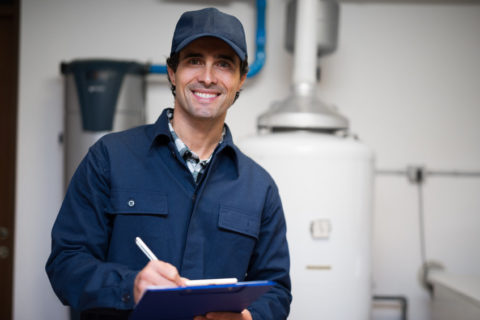
Not every water heater problem can be resolved solo. Certain problems demand professional abilities, unique equipment, and safety expertise. Yearly checkups and pro help keep water heaters humming and ensure safety compliance.
Complex Repairs
Fixing malfunctioning heating elements, burst thermostats, or corroded anode rods can exceed typical home maintenance capabilities. Pro’s use voltage testers and even cameras to look inside tanks or pipes. If a water heater smells like gas, or you think there’s a leak somewhere along the gas line, then only a licensed professional should be dealing with it – it could catch fire or explode. Ditto electrical issues—bad wiring or shorts can shock or mar, so just like with plumbing, certified techs are a necessity. Getting quick when you notice leaks, rust or uneven heat can prevent larger repairs down the road.
Installation
A new water heater, of course, needs installation by a professional installation. They’ll select the properly sized unit for your needs and install it where it will be most effective. They’ll adhere to local regulations, which vary from location to location. For instance, a tankless water heater requires adequate space and proper venting. Once installed, a professional can demonstrate the unit so you’re primed to use it safely and identify any early warning signs.
Annual Inspection
Annual inspection by a certified plumber is advisable, particularly for gas models. This aids in discovering little issues before they get big. On an inspection, a pro may flush the tank, examine the anode rod, and check pipes for leakage or corrosion. They test safety valves and record what they discover, useful if you require warranty service or replace the heater. Camera inspections can be performed for unseen problems. Nice notes from these visits simplify scheduling future maintenance or upgrades.
Conclusion
Care for a water heater, and it will serve you diligently for years. Basic maintenance, such as flushing the tank or checking the valves, prevents issues before they begin. Catch leaks or loud noises early, and repair them quickly. Tank and tankless heaters require maintenance, just in patches, varying. Look for indicators such as rust, strange noises, or lukewarm heat. Little repairs can really add up to big savings over time. Take the guesswork out and call a pro if things appear off. Hot showers and safe water count every day. Inspect your heater, stay ahead of small maintenance, and contact us if you see trouble. Pass these off, or recruit a buddy. Keep warm, keep safe.
Frequently Asked Questions
How often should I maintain my water heater?
The majority of professionals suggest simple upkeep at least every 6 to 12 months. This flushes out sediment and keeps your water heater humming along efficiently.
What are the key benefits of regular water heater maintenance?
Routine maintenance not only increases the longevity of your water heater, it decreases energy expenses and minimizes the chances of a surprise malfunction.
Are maintenance steps different for tank and tankless water heaters?
Yup, tank and tankless water heaters have distinct maintenance requirements. Sediment tanks require flushing and tanks need descaling.
What are common warning signs that my water heater needs attention?
Listen for odd sounds, fluctuating temperature, drips or rusty water. These indications imply that your water heater could be in need of some attention.
Can silent issues damage my water heater?
Indeed, things like internal corrosion or mineral buildup can silently tear your water heater apart, efficiency-wise and in terms of years of operation.
When should I seek professional help for water heater maintenance?
Call a pro if you notice lingering issues, leaks or you’re not sure how to safely perform maintenance. Professionals can guarantee security and great efficiency.
Does regular maintenance improve energy efficiency?
Yes, a well-maintained water heater operates more efficiently, which means it uses less energy, costing you less in utility bills, and being kinder to the environment.
Currently, a water heater is the safest solution for having a hot water supply in the home. It is easy to use and offers a much better…
Water purification companies are able to clean and treat large quantities of water coming from various sources. Even though some sources are…